


Are PTFE conveyor belts resistant to ultraviolet rays?
As a trusted supplier of PTFE conveyor belts, I've encountered numerous inquiries regarding the durability and performance of our products under various environmental conditions. One question that frequently arises is whether PTFE conveyor belts are resistant to ultraviolet (UV) rays. In this blog post, I'll delve into the science behind PTFE's UV resistance, explore its implications for real - world applications, and discuss how our PTFE conveyor belts stack up in UV - exposed environments.
Understanding PTFE and Its Properties
PTFE, or polytetrafluoroethylene, is a synthetic fluoropolymer of tetrafluoroethylene. It is well - known for its outstanding non - stick properties, high chemical resistance, and low friction coefficient. These characteristics make PTFE an ideal material for conveyor belts in a wide range of industries, from food processing to electronics manufacturing.
The molecular structure of PTFE consists of a carbon backbone with fluorine atoms bonded to it. This strong carbon - fluorine bond is one of the reasons for PTFE's remarkable chemical stability. The bond energy of the carbon - fluorine bond is relatively high, which means it requires a significant amount of energy to break these bonds.
UV Rays and Their Impact on Materials
Ultraviolet rays are a part of the electromagnetic spectrum with wavelengths shorter than visible light. They are classified into three types: UVA (320 - 400 nm), UVB (280 - 320 nm), and UVC (100 - 280 nm). UVC rays are mostly absorbed by the Earth's atmosphere and do not reach the surface in significant amounts. However, UVA and UVB rays can cause damage to many materials.
When materials are exposed to UV rays, the energy from the rays can break chemical bonds within the material. This can lead to a variety of problems, such as discoloration, embrittlement, and a reduction in mechanical strength. For example, plastics that are not UV - resistant may become brittle over time when exposed to sunlight, making them more prone to cracking and breaking.
PTFE's Resistance to UV Rays
Due to its strong carbon - fluorine bonds, PTFE is highly resistant to UV rays. The energy required to break the carbon - fluorine bonds is much higher than the energy provided by UV rays in the UVA and UVB ranges. As a result, PTFE conveyor belts do not experience significant degradation when exposed to UV light.
In long - term UV exposure tests, PTFE has shown excellent color stability. Unlike many other polymers that may yellow,fade, or change color when exposed to sunlight, PTFE maintains its original color. Additionally, its mechanical properties, such as tensile strength and flexibility, remain relatively stable over time.
This UV resistance makes PTFE conveyor belts suitable for outdoor applications or environments where they may be exposed to sunlight. For instance, in the agricultural industry, PTFE conveyor belts can be used in outdoor sorting and packaging operations without the worry of rapid degradation due to UV exposure.
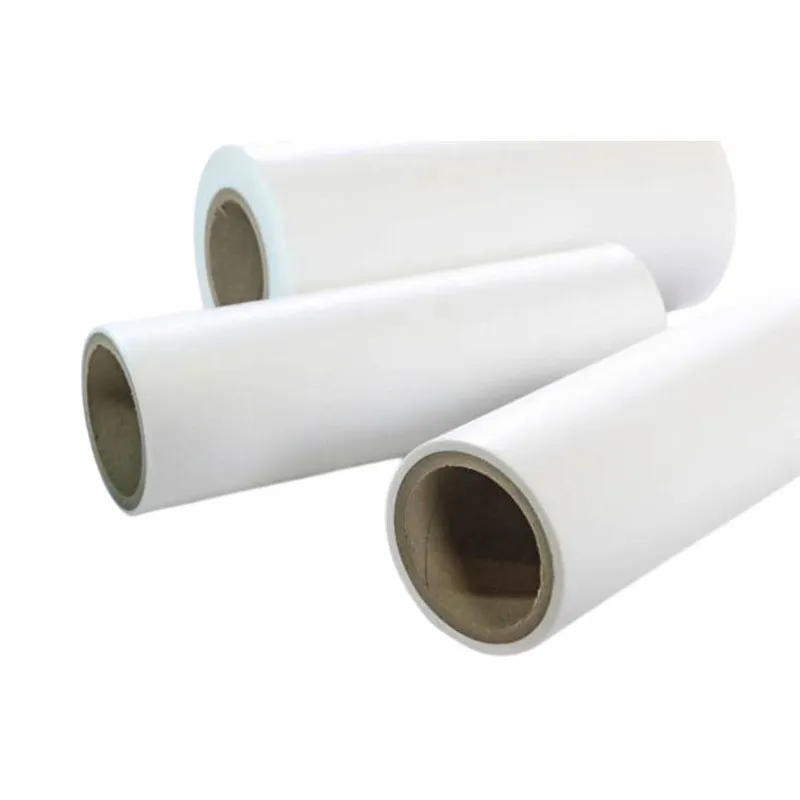

Real - World Applications of UV - Resistant PTFE Conveyor Belts
The UV resistance of PTFE conveyor belts opens up a wide range of applications. In the solar panel manufacturing industry, PTFE conveyor belts are used to transport solar cells during the production process. These belts are often exposed to intense light, including UV rays, during the curing and testing stages. The UV resistance of PTFE ensures that the belts maintain their performance and integrity over time, reducing the need for frequent replacements.
In the automotive industry, PTFE conveyor belts can be used in outdoor paint - drying areas. The UV rays from the sun or artificial UV lamps used in the drying process do not cause damage to the belts, allowing for smooth and reliable operation of the conveyor system.
Our PTFE Conveyor Belt Offerings
As a PTFE conveyor belt supplier, we take pride in offering high - quality products with excellent UV resistance. Our PTFE conveyor belts are manufactured using advanced techniques to ensure uniform thickness and consistent performance.
We also offer a variety of related PTFE products, such as the PTFE Moisturizing Sleeve Series, PTFE Skived Film, and PTFE Tape. These products also benefit from PTFE's UV - resistant properties and can be used in conjunction with our conveyor belts in various applications.
Advantages of Choosing Our PTFE Conveyor Belts for UV - Exposed Environments
When you choose our PTFE conveyor belts for applications where UV exposure is a concern, you can enjoy several advantages. Firstly, the long - term durability of our belts means lower replacement costs. Since the belts do not degrade quickly under UV rays, you don't have to invest in new belts as frequently.
Secondly, the consistent performance of our belts ensures smooth operation of your production processes. You won't have to worry about belt failures or disruptions due to UV - induced damage, which can lead to increased productivity and reduced downtime.
Contact Us for Your PTFE Conveyor Belt Needs
If you're in the market for high - quality PTFE conveyor belts that can withstand UV exposure, look no further. We have a team of experts ready to assist you in choosing the right conveyor belt for your specific application. Whether you need a belt for a small - scale operation or a large - scale industrial process, we can provide you with a customized solution.
We understand that every customer's requirements are unique, and we're committed to delivering products that meet or exceed your expectations. Don't let UV exposure limit your conveyor belt options. Contact us today to start a discussion about your PTFE conveyor belt needs and take the first step towards a more reliable and efficient production process.
References
- "Fluoropolymers: Chemistry and Applications" by John Scheirs. This book provides in - depth knowledge about the chemical properties of fluoropolymers, including PTFE.
- ASTM International standards related to UV exposure testing of polymers. These standards offer guidelines on how to conduct tests to evaluate the UV resistance of materials.


