


Are PTFE seals suitable for food - grade applications?
As a PTFE seals supplier, I've encountered numerous inquiries regarding the suitability of PTFE seals for food - grade applications. This topic is of great significance, especially considering the strict regulations and high - safety standards in the food industry. In this blog, I'll delve into the properties of PTFE, its compliance with food - grade requirements, and its practical applications in the food sector.
Properties of PTFE
PTFE, or polytetrafluoroethylene, is a synthetic fluoropolymer with a wide range of remarkable properties. Firstly, it has an extremely low coefficient of friction, which means it can reduce wear and tear in mechanical systems. This self - lubricating property is beneficial in food processing equipment, where moving parts need to operate smoothly without the need for excessive lubricants that could potentially contaminate the food.
Secondly, PTFE exhibits excellent chemical resistance. It can withstand a variety of harsh chemicals, acids, and alkalis. In the food industry, equipment may come into contact with cleaning agents, sanitizers, and different food ingredients. The chemical resistance of PTFE ensures that the seals remain intact and do not react with these substances, thereby preventing contamination of the food products.
Another key property of PTFE is its high - temperature resistance. It can operate at temperatures ranging from - 200°C to 260°C. In food processing, there are various heating and cooling processes. For example, in baking, pasteurization, and freezing. PTFE seals can maintain their shape and performance under these extreme temperature conditions, ensuring the reliability of the equipment.
Compliance with Food - Grade Requirements
To be suitable for food - grade applications, materials must meet certain regulatory standards. In the United States, the Food and Drug Administration (FDA) sets strict guidelines for materials that come into contact with food. PTFE is generally recognized as safe (GRAS) by the FDA for use in food - contact applications. This recognition is based on extensive research and testing that has shown PTFE to be non - toxic and non - migratory.
Non - toxicity is crucial in food - grade applications. PTFE does not release any harmful substances into the food, even when exposed to high temperatures or harsh chemicals. This ensures the safety of the food products. Non - migratory means that the material does not transfer any of its components into the food. PTFE has a stable molecular structure, which prevents the leaching of chemicals into the food, making it a reliable choice for food - grade seals.
In addition to FDA regulations, there are also international standards such as the European Union's Regulation (EC) No 1935/2004, which also approves PTFE for food - contact use. These regulatory approvals give food manufacturers the confidence to use PTFE seals in their production processes.
Practical Applications in the Food Industry
PTFE seals have a wide range of applications in the food industry. In food processing equipment, such as mixers, conveyors, and filling machines, PTFE seals are used to prevent leakage of food products and ensure the hygienic operation of the equipment. For example, in a mixer, the seals around the shaft prevent the food ingredients from leaking out and also prevent external contaminants from entering the mixing chamber.
In the beverage industry, PTFE seals are used in bottling and canning equipment. They ensure a tight seal between the containers and the filling nozzles, preventing spillage and contamination. The high - temperature resistance of PTFE is also beneficial in the pasteurization process of beverages, where the seals need to withstand high - temperature steam.
In the dairy industry, PTFE seals are used in milk processing equipment. They are resistant to the acidic nature of some dairy products and can withstand the cleaning and sanitization processes. This helps to maintain the quality and safety of the dairy products.
Different Types of PTFE Seals for Food - Grade Applications
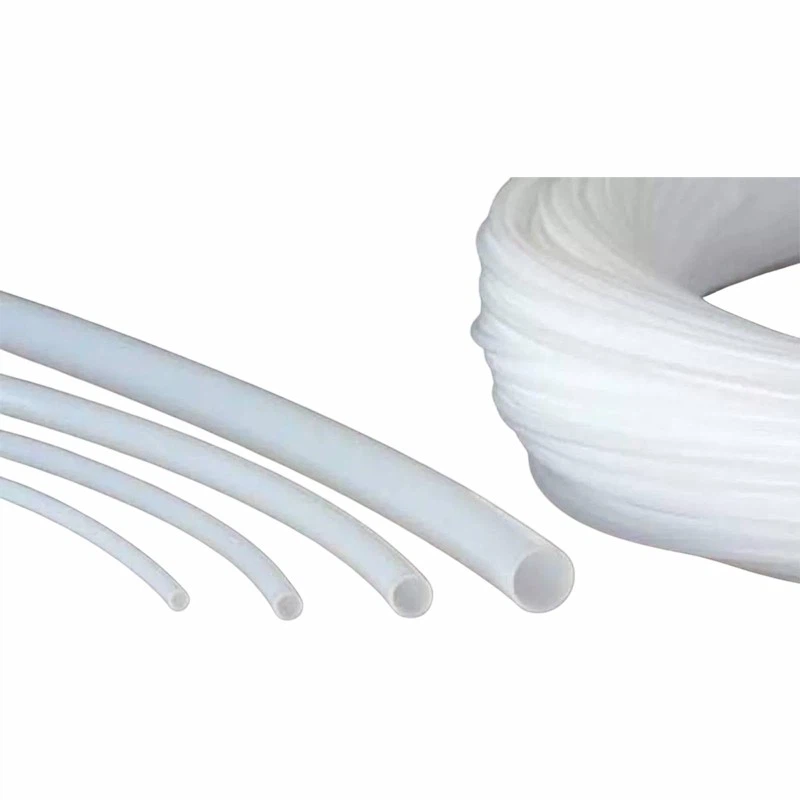
There are several types of PTFE seals available for food - grade applications. PTFE Sleeves are often used in applications where there is a need for a sliding or rotating seal. They can provide a smooth surface for the movement of parts and prevent leakage.
PTFE Custom Rings are designed to fit specific equipment requirements. They can be customized in terms of size, shape, and hardness to ensure a perfect seal. These custom rings are commonly used in food processing equipment where standard seals may not be suitable.
PTFE Seals come in various forms, such as O - rings, gaskets, and lip seals. O - rings are widely used for static sealing applications, while lip seals are used for dynamic sealing applications. These seals can effectively prevent the leakage of food products and maintain the integrity of the equipment.
Advantages of Using PTFE Seals in Food - Grade Applications
One of the main advantages of using PTFE seals in food - grade applications is their long service life. Due to their excellent chemical and temperature resistance, as well as their low - friction properties, PTFE seals can last longer than other types of seals. This reduces the frequency of seal replacement, which in turn reduces downtime and maintenance costs for food manufacturers.
Another advantage is the ease of cleaning. PTFE has a non - stick surface, which makes it easy to clean. In the food industry, hygiene is of utmost importance. The non - stick surface of PTFE prevents food residues from adhering to the seals, making it easier to clean and sanitize the equipment.
The high - precision manufacturing of PTFE seals ensures a tight and reliable seal. This is crucial in preventing cross - contamination between different food products and maintaining the quality of the food.
Considerations when Using PTFE Seals in Food - Grade Applications
Although PTFE seals have many advantages for food - grade applications, there are also some considerations. Firstly, the cost of PTFE seals is relatively higher compared to some other seal materials. However, considering their long service life and high performance, the overall cost - effectiveness is often favorable.
Secondly, PTFE seals need to be installed correctly. Improper installation can lead to seal failure and leakage. Food manufacturers should ensure that their maintenance and installation personnel are trained to install PTFE seals properly.

Conclusion
In conclusion, PTFE seals are highly suitable for food - grade applications. Their excellent properties, such as low friction, chemical resistance, high - temperature resistance, and compliance with food - grade regulations, make them a reliable choice for the food industry. With different types of PTFE seals available, such as PTFE Sleeves, PTFE Custom Rings, and PTFE Seals, food manufacturers can find the right seals to meet their specific equipment requirements.
If you are in the food industry and are looking for high - quality PTFE seals for your food - grade applications, we are here to help. Our team of experts can provide you with professional advice and customized solutions. Contact us to start a procurement discussion and find the perfect PTFE seals for your needs.
References
- Food and Drug Administration (FDA). General Information on Food Contact Substances.
- European Union Regulation (EC) No 1935/2004 on materials and articles intended to come into contact with food.
- Technical literature on PTFE materials and seals from industry - leading manufacturers.


