


Are PTFE tube fittings suitable for low - pressure applications?
As a supplier of PTFE Tube Fittings, I've encountered numerous inquiries regarding the suitability of these fittings for low - pressure applications. In this blog, I'll delve into the characteristics of PTFE tube fittings and analyze their viability in low - pressure scenarios.
Understanding PTFE Tube Fittings
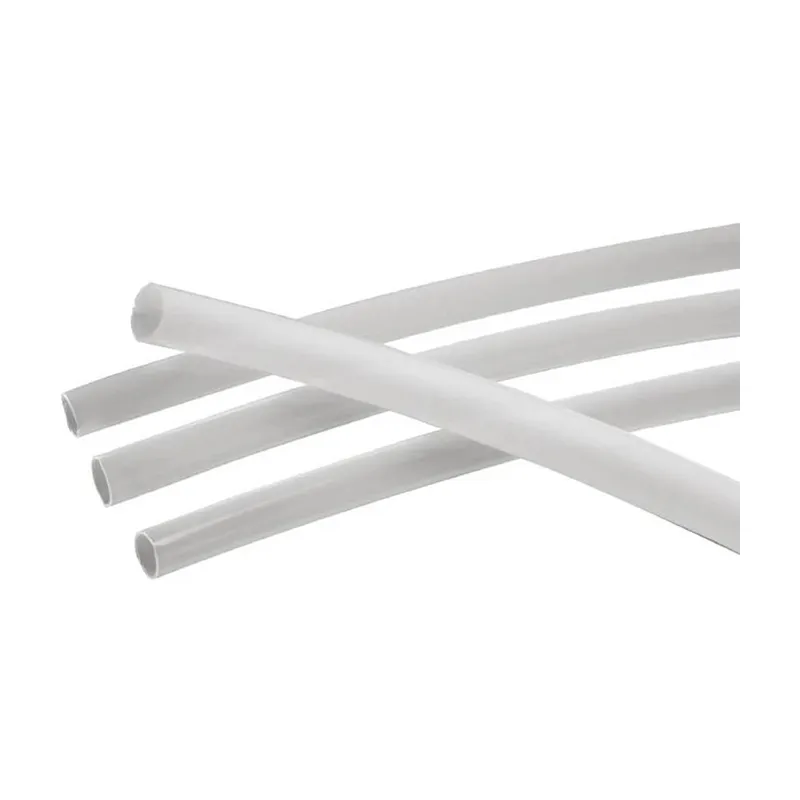
PTFE, or Polytetrafluoroethylene, is a synthetic fluoropolymer known for its remarkable chemical resistance, low friction coefficient, and high temperature tolerance. PTFE Tube Fittings are components used to connect, control, and direct the flow of fluids within a tubing system. They come in various shapes and sizes, such as elbows, tees, couplings, and adapters, to meet different piping requirements.
Advantages of PTFE Tube Fittings in Low - Pressure Applications
Chemical Resistance
One of the most significant advantages of PTFE tube fittings in low - pressure applications is their outstanding chemical resistance. In many low - pressure systems, such as laboratory setups, chemical processing plants for small - scale operations, and some food and beverage production lines, the fluids being transported can be highly corrosive. PTFE can withstand a wide range of chemicals, including acids, bases, solvents, and oxidizing agents. For example, in a laboratory where different types of reagents are being transferred at low pressures, PTFE tube fittings ensure that the fittings do not react with the chemicals, preventing contamination of the fluids and damage to the tubing system.
Low Friction
PTFE has an extremely low friction coefficient, which is beneficial in low - pressure applications. When fluids flow through the tubing system, the low friction of PTFE tube fittings reduces the pressure drop. In low - pressure systems, even a small pressure drop can have a significant impact on the overall performance. For instance, in a low - pressure air - delivery system for a pneumatic control device, the low - friction PTFE tube fittings allow the air to flow smoothly, ensuring accurate and reliable operation of the device.
Temperature Stability
PTFE can maintain its properties over a wide temperature range, from - 200°C to 260°C. In low - pressure applications, this temperature stability is crucial. For example, in a cryogenic low - pressure system, where the temperature can drop to extremely low levels, PTFE tube fittings do not become brittle or lose their sealing properties. On the other hand, in high - temperature low - pressure processes, such as some low - pressure steam - cleaning operations, PTFE can withstand the heat without deforming or losing its integrity.
Sealing Performance
PTFE tube fittings offer excellent sealing performance, which is essential in low - pressure applications. Even at low pressures, a proper seal is required to prevent leakage. PTFE's flexibility allows it to conform to the mating surfaces of the tubing and other components, creating a tight seal. In a low - pressure water - distribution system in a small building, the reliable sealing of PTFE tube fittings ensures that there are no water leaks, which could lead to water damage and inefficiency.
Considerations in Low - Pressure Applications
Cost
Although PTFE tube fittings have many advantages, they can be relatively expensive compared to some other types of fittings. In low - pressure applications where cost is a major concern, such as in some DIY projects or small - scale home applications, the higher cost of PTFE tube fittings may be a deterrent. However, it's important to consider the long - term benefits, such as reduced maintenance and replacement costs due to their durability and chemical resistance.
Pressure Rating
While PTFE tube fittings are suitable for low - pressure applications, it's crucial to ensure that the specific fittings being used are rated for the actual pressure of the system. Even in low - pressure systems, there can be pressure spikes or fluctuations. For example, in a low - pressure hydraulic system, sudden valve closures can cause temporary pressure surges. Using PTFE tube fittings with an appropriate pressure rating helps to prevent failures and ensure the safety of the system.
Compatibility with Other Materials
In some low - pressure applications, PTFE tube fittings need to be compatible with other materials in the system. For example, if the tubing is made of a different polymer or metal, proper consideration should be given to the compatibility of the materials to avoid issues such as galvanic corrosion or chemical reactions. In a low - pressure plumbing system where PTFE tube fittings are used with copper tubing, ensuring the compatibility between the two materials is essential for the long - term performance of the system.
Applications of PTFE Tube Fittings in Low - Pressure Scenarios
Laboratory Equipment
In laboratories, low - pressure systems are commonly used for transporting various chemicals, gases, and liquids. PTFE Tube fittings are widely used in chromatography systems, where precise control of fluid flow at low pressures is required. They are also used in distillation setups, where the chemical resistance of PTFE ensures that the fittings do not contaminate the samples being processed.
Food and Beverage Industry
In the food and beverage industry, low - pressure systems are used for tasks such as transferring ingredients, cleaning solutions, and waste fluids. PTFE tube fittings are suitable because they are non - toxic and can withstand the cleaning agents used in the industry. For example, in a small - scale brewery, PTFE tube fittings can be used to connect the tubing for transferring beer from the fermentation tank to the bottling line at low pressures.

Medical Devices
Many medical devices operate at low pressures. PTFE tube fittings are used in applications such as blood - collection systems, where the low - friction and biocompatible properties of PTFE are essential. The chemical resistance also ensures that the fittings do not react with the blood or other medical fluids being transported.
Conclusion
In conclusion, PTFE tube fittings are generally well - suited for low - pressure applications. Their chemical resistance, low friction, temperature stability, and sealing performance make them a reliable choice in various industries and settings. However, factors such as cost, pressure rating, and material compatibility need to be carefully considered.
If you're looking for high - quality PTFE tube fittings for your low - pressure applications, we are here to assist you. Our company offers a wide range of PTFE tube fittings, including PTFE Coated Films, to meet your specific needs. We can provide technical support and guidance to ensure that you select the most suitable fittings for your system. Contact us to start a procurement discussion and find the best solutions for your low - pressure tubing requirements.
References
- Brandrup, J., & Immergut, E. H. (1989). Polymer Handbook. Wiley - Interscience.
- Billmeyer, F. W. (1984). Textbook of Polymer Science. Wiley - Interscience.
- ASTM International. (2019). ASTM standards related to PTFE materials and products.


