


Can ePTFE Yarn Be Used in the Electronics Industry?
In recent years, the electronics industry has witnessed rapid technological advancements, constantly demanding new and improved materials to meet its evolving needs. One such material that has been gaining attention is expanded Polytetrafluoroethylene (ePTFE) yarn. As a supplier of ePTFE yarn, I am often asked about its potential applications in the electronics sector. In this blog post, I will explore the properties of ePTFE yarn and discuss whether it can indeed be used in the electronics industry.
Properties of ePTFE Yarn
ePTFE yarn is derived from PTFE, a well - known fluoropolymer. Through a special expansion process, PTFE is transformed into ePTFE, which has a unique microstructure consisting of a network of nodes and fibrils. This structure gives ePTFE yarn several remarkable properties:
Chemical Resistance
ePTFE yarn exhibits excellent chemical resistance against a wide range of chemicals, including acids, bases, solvents, and oils. This property makes it suitable for use in environments where the electronics may be exposed to corrosive substances. For example, in industrial electronics that operate in chemical processing plants, ePTFE yarn can help protect the internal components from chemical damage.
Thermal Stability
With a high melting point and good thermal resistance, ePTFE yarn can withstand extreme temperatures. It remains stable in temperatures ranging from -200°C to 260°C. In the electronics industry, where heat generation is a common issue, ePTFE yarn can be used in applications that require materials to maintain their integrity under high - temperature conditions, such as in power electronics and high - performance computing devices.
Low Friction Coefficient
ePTFE has a very low friction coefficient, which means it offers smooth movement and reduces wear and tear. In electronic devices with moving parts, such as sliding switches or adjustable components, ePTFE yarn can be used as a lubricating or guiding material, improving the overall durability and performance of the device.
Hydrophobicity
ePTFE yarn is highly hydrophobic, meaning it repels water. This property is crucial in electronics, as moisture can cause short - circuits and corrosion. In waterproof electronics, such as smartwatches designed for swimming or outdoor electronic sensors, ePTFE yarn can be used to create a moisture - resistant barrier, protecting the sensitive electronic components inside.
Dielectric Properties
ePTFE has excellent dielectric properties, including a low dielectric constant and low dissipation factor. These properties make it suitable for use in high - frequency electronic applications, where minimizing signal loss and interference is essential. For example, in microwave communication systems and high - speed data transmission cables, ePTFE yarn can be used as an insulating material to ensure efficient signal propagation.
Applications of ePTFE Yarn in the Electronics Industry
Insulation in Cables
One of the most significant applications of ePTFE yarn in the electronics industry is cable insulation. High - speed data cables, such as Ethernet cables and coaxial cables, require materials with low dielectric constant and low signal loss. EPTFE Filament can be used as an insulating layer in these cables, providing excellent electrical insulation and minimizing signal attenuation. This allows for faster and more reliable data transmission, which is crucial in modern communication networks.
Sealing and Gasketing
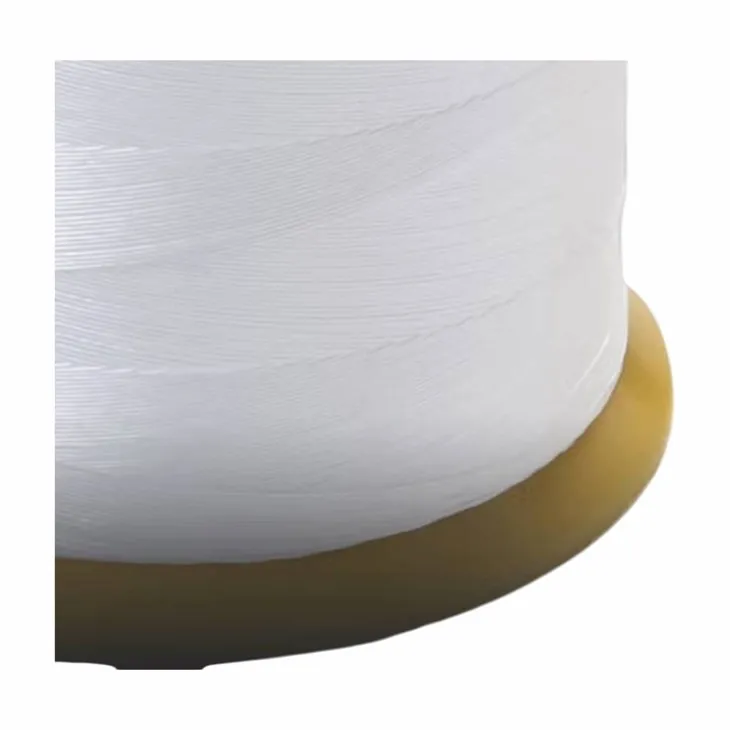
In electronic enclosures, proper sealing is essential to protect the internal components from dust, moisture, and other contaminants. ePTFE yarn can be used to make seals and gaskets due to its chemical resistance, hydrophobicity, and flexibility. EPTFE Sewing Thread can be used to stitch together sealing materials or create custom - shaped gaskets. These seals can ensure the long - term reliability of electronic devices, especially in harsh environments.

EMI/RFI Shielding
Electromagnetic interference (EMI) and radio - frequency interference (RFI) can disrupt the normal operation of electronic devices. ePTFE yarn can be combined with conductive materials to create EMI/RFI shielding solutions. The unique structure of ePTFE allows it to hold and distribute conductive particles evenly, providing effective shielding while maintaining the flexibility and lightweight characteristics of the material. This is particularly useful in small - sized electronic devices, such as mobile phones and laptops, where space is limited.
Sensor Protection
Electronic sensors are often used in various applications, including environmental monitoring, automotive, and healthcare. These sensors need to be protected from external factors such as moisture, dust, and chemicals. ePTFE yarn can be used to create protective covers or membranes for sensors. EPTFE Staple Fiber can be processed into non - woven fabrics that are breathable yet protective, allowing the sensor to function accurately while being shielded from harmful elements.
Challenges and Considerations
While ePTFE yarn has many potential applications in the electronics industry, there are also some challenges and considerations:
Cost
ePTFE yarn is relatively expensive compared to some traditional materials used in the electronics industry. The production process of ePTFE is complex and requires specialized equipment, which contributes to the higher cost. However, in applications where the unique properties of ePTFE are essential, the cost may be justified by the improved performance and reliability of the electronic devices.
Processing Difficulty
Working with ePTFE yarn can be challenging due to its low surface energy and high lubricity. Specialized processing techniques and equipment may be required to cut, shape, and assemble ePTFE yarn into the desired components. Manufacturers need to invest in the necessary technology and expertise to ensure efficient and high - quality production.
Compatibility with Other Materials
When using ePTFE yarn in electronic devices, it is important to consider its compatibility with other materials. For example, the adhesive used to bond ePTFE yarn to other components needs to be carefully selected to ensure a strong and durable bond. Incompatibility between materials can lead to delamination or other performance issues over time.
Conclusion
In conclusion, ePTFE yarn has great potential for use in the electronics industry. Its unique combination of properties, such as chemical resistance, thermal stability, low friction coefficient, hydrophobicity, and excellent dielectric properties, makes it suitable for a wide range of applications, including cable insulation, sealing, EMI/RFI shielding, and sensor protection. Although there are challenges such as cost and processing difficulty, the benefits it offers in terms of improved performance and reliability of electronic devices cannot be ignored.
As a supplier of ePTFE yarn, we are committed to providing high - quality products and technical support to meet the specific needs of the electronics industry. If you are interested in exploring the use of ePTFE yarn in your electronic applications or have any questions about our products, we encourage you to contact us for further discussion and potential procurement. We look forward to working with you to develop innovative solutions for the electronics industry.
References
- "Handbook of Fluoropolymer Science and Technology", edited by Harry R. Allcock, Frederick W. Lampe, and James E. Mark.
- "Electronics Packaging and Interconnection Handbook", edited by C. P. Wong.
- Research papers on the properties and applications of ePTFE in scientific journals such as "Journal of Materials Science" and "IEEE Transactions on Components, Packaging and Manufacturing Technology".


