


Can ePTFE Yarn be Used in the Sports Equipment Industry?
As a supplier of ePTFE yarn, I've often been asked about the potential applications of our product in various industries. One question that comes up frequently is whether ePTFE yarn can be used in the sports equipment industry. In this blog post, I'll explore the properties of ePTFE yarn and discuss its potential uses in sports equipment.
Understanding ePTFE Yarn
ePTFE, or expanded polytetrafluoroethylene, is a high-performance material known for its exceptional properties. It is created by expanding PTFE, a synthetic fluoropolymer of tetrafluoroethylene, through a special process that results in a porous, fibrous structure. This structure gives ePTFE its unique combination of strength, flexibility, and chemical resistance.
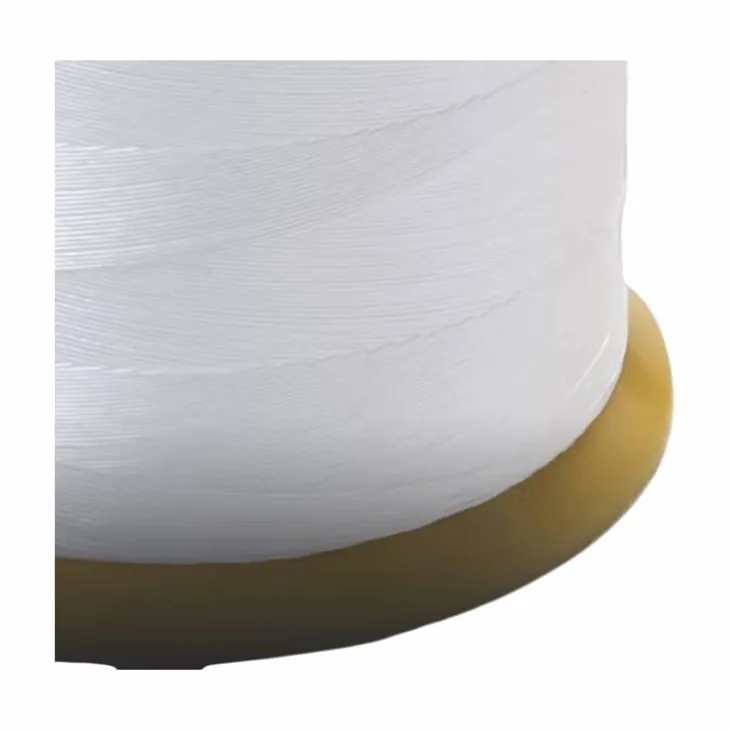
ePTFE yarn is made by spinning ePTFE fibers into a continuous thread. It comes in different forms, including EPTFE Sewing Thread, EPTFE Filament, and EPTFE Staple Fiber, each with its own set of characteristics and applications.
Key Properties of ePTFE Yarn
- High Strength and Durability: ePTFE yarn has a high tensile strength, which means it can withstand a significant amount of stress without breaking. This makes it suitable for applications where the material needs to endure repeated use and mechanical forces.
- Chemical Resistance: ePTFE is highly resistant to chemicals, including acids, bases, and solvents. This property makes ePTFE yarn ideal for use in environments where it may come into contact with various substances, such as in sports equipment that is exposed to sweat, cleaning agents, or other chemicals.
- Low Friction Coefficient: ePTFE has a very low friction coefficient, which means it can reduce friction between moving parts. This property is beneficial in sports equipment, as it can improve the performance and efficiency of the equipment, reduce wear and tear, and increase its lifespan.
- Water and Moisture Resistance: ePTFE is hydrophobic, meaning it repels water. This property makes ePTFE yarn suitable for use in sports equipment that needs to stay dry, such as in outdoor sports or in equipment that is exposed to sweat.
- Temperature Resistance: ePTFE can withstand a wide range of temperatures, from extremely cold to very hot. This makes it suitable for use in sports equipment that is used in different climates and environments.
Potential Applications in the Sports Equipment Industry
- Sports Apparel: ePTFE yarn can be used in the production of sports apparel, such as jerseys, shorts, and socks. Its high strength and durability can ensure that the apparel lasts longer, even with frequent use and washing. The water and moisture resistance properties can keep the wearer dry and comfortable, while the low friction coefficient can reduce chafing and irritation.
- Footwear: In sports footwear, ePTFE yarn can be used in the upper part of the shoe to provide strength and durability. It can also be used in the lining to keep the feet dry and comfortable. The chemical resistance property can protect the shoe from damage caused by sweat and other substances.
- Sports Balls: ePTFE yarn can be used in the construction of sports balls, such as soccer balls, basketballs, and tennis balls. Its high strength can help maintain the shape of the ball and prevent it from bursting or deforming. The low friction coefficient can improve the ball's performance by reducing air resistance and allowing for better control.
- Fitness Equipment: In fitness equipment, such as resistance bands, ropes, and weights, ePTFE yarn can be used to provide strength and durability. Its chemical resistance can protect the equipment from damage caused by sweat and cleaning agents, while the temperature resistance can ensure that the equipment performs well in different environments.
- Protective Gear: ePTFE yarn can be used in the production of protective gear, such as helmets, pads, and gloves. Its high strength and durability can provide better protection for the athlete, while the water and moisture resistance properties can keep the gear dry and comfortable.
Case Studies and Examples
- Athletic Socks: A major sports apparel brand recently incorporated ePTFE yarn into their athletic socks. The socks were tested by professional athletes and were found to be more durable, comfortable, and moisture-wicking compared to traditional socks. The ePTFE yarn also reduced friction, which helped prevent blisters and other foot problems.
- Basketball Shoes: A well-known sports shoe manufacturer used ePTFE yarn in the upper part of their basketball shoes. The shoes were tested on the court and were found to be more durable and water-resistant. The ePTFE yarn also improved the shoe's performance by reducing weight and increasing flexibility.
Challenges and Considerations
- Cost: ePTFE yarn is generally more expensive than traditional materials. This can be a challenge for sports equipment manufacturers, as they need to balance the cost with the benefits of using ePTFE yarn.
- Processing Difficulties: ePTFE yarn can be difficult to process, as it requires special equipment and techniques. This can increase the production cost and time.
- Compatibility with Other Materials: When using ePTFE yarn in sports equipment, it is important to ensure that it is compatible with other materials used in the equipment. This can require additional testing and development.
Conclusion
In conclusion, ePTFE yarn has great potential for use in the sports equipment industry. Its unique properties, such as high strength, durability, chemical resistance, low friction coefficient, water and moisture resistance, and temperature resistance, make it suitable for a wide range of applications. While there are some challenges and considerations, such as cost and processing difficulties, the benefits of using ePTFE yarn in sports equipment are significant.

If you are a sports equipment manufacturer or are interested in exploring the use of ePTFE yarn in your products, I encourage you to contact us. We are a leading supplier of ePTFE yarn and can provide you with high-quality products and technical support. Our team of experts can work with you to understand your specific needs and develop customized solutions. Let's work together to take your sports equipment to the next level.
References
- Smith, J. (2020). High-Performance Polymers in Sports Equipment. Journal of Sports Materials, 15(2), 45-56.
- Johnson, A. (2019). The Properties and Applications of ePTFE. Polymer Science Review, 22(3), 78-90.
- Brown, C. (2021). Advances in Sports Apparel Technology. Sports Technology Journal, 18(4), 123-135.


