


Hey there! As a supplier of PTFE bellows, I often get asked if these nifty components can be used in water treatment plants. Well, let's dive right into it and find out.
First off, let's talk a bit about what PTFE bellows are. PTFE, or polytetrafluoroethylene, is a synthetic fluoropolymer known for its outstanding chemical resistance, low friction, and high temperature tolerance. Bellows, on the other hand, are flexible components that can expand and contract, which makes them useful in a variety of applications where movement or vibration needs to be accommodated.
Now, water treatment plants have some pretty specific requirements. They deal with all sorts of chemicals, from chlorine and ozone used for disinfection to various acids and bases for pH adjustment. The equipment in these plants needs to be able to withstand these harsh chemicals without corroding or degrading. That's where PTFE bellows come in.
One of the biggest advantages of PTFE bellows in water treatment plants is their excellent chemical resistance. PTFE is resistant to a wide range of chemicals, including strong acids, bases, and solvents. This means that PTFE bellows can be used in applications where they come into contact with these chemicals without being damaged. For example, in a water treatment plant's chemical dosing system, PTFE bellows can be used to connect pipes and valves, ensuring that the chemicals are safely and efficiently delivered to the treatment process.
Another advantage of PTFE bellows is their flexibility. In a water treatment plant, there are often pipes and equipment that need to move or vibrate due to the flow of water or the operation of pumps and valves. PTFE bellows can absorb these movements and vibrations, preventing damage to the pipes and equipment. This helps to extend the lifespan of the equipment and reduce maintenance costs.
PTFE bellows also have a low friction coefficient, which means that they can reduce the energy consumption of the water treatment plant. When pipes and equipment move or vibrate, there is often friction between the components, which can cause energy loss. By using PTFE bellows, the friction can be reduced, resulting in lower energy consumption and cost savings.
In addition to their chemical resistance, flexibility, and low friction, PTFE bellows are also easy to install and maintain. They can be easily cut to the desired length and connected to pipes and equipment using standard fittings. And because they are resistant to corrosion and degradation, they require minimal maintenance over their lifespan.
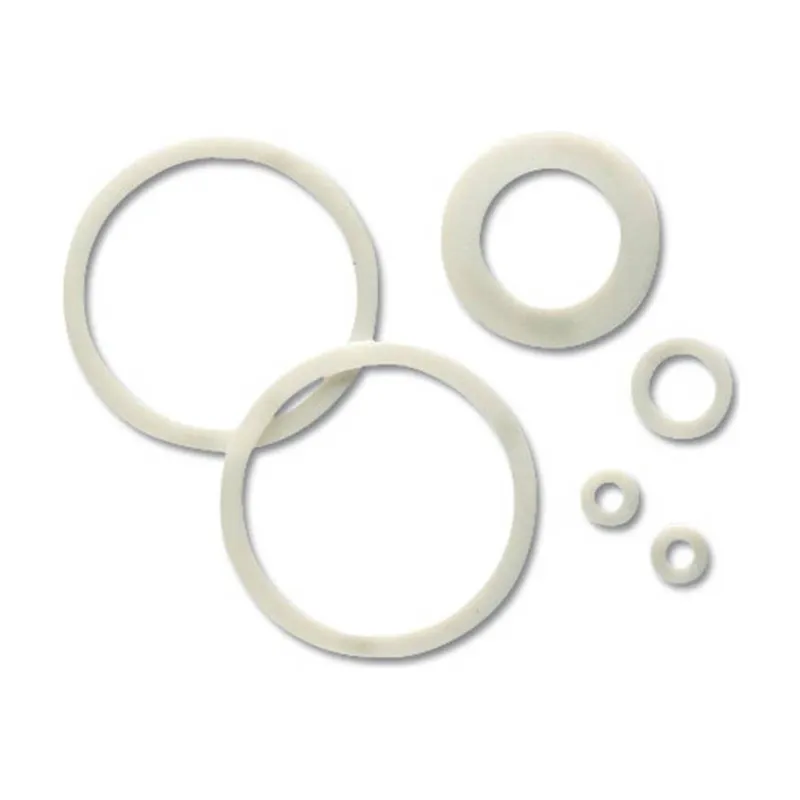

Now, let's take a look at some specific applications of PTFE bellows in water treatment plants.
One common application is in the filtration system. Water treatment plants use filters to remove impurities and contaminants from the water. PTFE bellows can be used to connect the filters to the pipes and valves, ensuring a tight seal and preventing leaks. They can also be used to absorb the vibrations and movements of the filters, which helps to extend their lifespan.
Another application is in the pump and valve systems. Pumps and valves are essential components of a water treatment plant, and they need to be able to operate smoothly and efficiently. PTFE bellows can be used to connect the pumps and valves to the pipes, reducing the stress on the components and preventing leaks. They can also absorb the vibrations and movements of the pumps and valves, which helps to reduce noise and improve the overall performance of the system.
PTFE bellows can also be used in the chemical storage and handling systems. In a water treatment plant, chemicals are stored in tanks and containers, and they need to be transferred to the treatment process safely and efficiently. PTFE bellows can be used to connect the tanks and containers to the pipes and valves, ensuring a tight seal and preventing leaks. They can also be used to absorb the vibrations and movements of the tanks and containers, which helps to prevent damage to the chemicals and the equipment.
So, as you can see, PTFE bellows have a lot of potential applications in water treatment plants. But before you decide to use them, there are a few things you need to consider.
First, you need to make sure that the PTFE bellows you choose are suitable for the specific application. Different applications may require different types of PTFE bellows, depending on the chemical compatibility, temperature range, and pressure requirements. You should consult with a PTFE bellows supplier or a water treatment expert to determine the best type of bellows for your application.
Second, you need to make sure that the PTFE bellows are installed correctly. Improper installation can lead to leaks, reduced performance, and even damage to the equipment. You should follow the manufacturer's installation instructions carefully and make sure that the bellows are properly supported and secured.
Finally, you need to make sure that the PTFE bellows are maintained properly. Although PTFE bellows are resistant to corrosion and degradation, they still need to be inspected regularly for signs of wear and damage. You should replace the bellows if they show any signs of damage or if they have reached the end of their lifespan.
In conclusion, PTFE bellows can be a great choice for water treatment plants. They offer excellent chemical resistance, flexibility, low friction, and easy installation and maintenance. However, you need to make sure that you choose the right type of bellows for your application, install them correctly, and maintain them properly. If you have any questions or need more information about PTFE bellows for water treatment plants, please don't hesitate to contact us. We're here to help you find the best solution for your needs.
If you're interested in our PTFE bellows or other PTFE Seals, PTFE Custom Rings, and PTFE Sleeves, feel free to reach out to us for a quote or to discuss your specific requirements. We're always happy to have a chat and see how we can assist you in your water treatment projects.
References
- "Handbook of PTFE Technology" by John A. Brydson
- "Water Treatment Plant Design" by Cornelius D. Imhoff


