


Hey there! As a supplier of PTFE conveyor belts, I often get asked if these belts can be used in the ceramic industry. Well, let's dive right into it and explore this question in detail.
First off, let's understand what PTFE conveyor belts are. PTFE, or polytetrafluoroethylene, is a synthetic fluoropolymer known for its excellent non - stick properties, high heat resistance, and chemical inertness. These features make PTFE conveyor belts a popular choice in various industries.
Advantages of PTFE Conveyor Belts in the Ceramic Industry
1. Non - stick Surface
In the ceramic industry, many processes involve handling wet or sticky ceramic materials. For example, when molding ceramic parts, the wet clay can easily stick to the conveyor surface. A PTFE Conveyor Belt with its non - stick surface ensures that the ceramic materials move smoothly along the conveyor without any residue left behind. This not only improves the efficiency of the production process but also reduces the need for frequent cleaning of the conveyor belt.
2. High Heat Resistance
Ceramic manufacturing often includes high - temperature processes such as firing. PTFE conveyor belts can withstand high temperatures, typically up to 260°C (500°F). This means they can be used in areas where the conveyor needs to pass through drying ovens or kilns. For instance, during the drying stage of ceramic products, the PTFE belt can carry the wet ceramic pieces through the oven without being damaged by the heat.
3. Chemical Inertness
The ceramic industry uses various chemicals in the production process, such as glazes and dyes. PTFE is chemically inert, which means it won't react with these chemicals. This is crucial because it ensures that the conveyor belt doesn't contaminate the ceramic products. The chemical resistance of PTFE also extends the lifespan of the conveyor belt, as it won't be corroded by the chemicals used in the ceramic manufacturing process.
4. Flexibility and Durability
PTFE conveyor belts are flexible, which allows them to be used in different conveyor system configurations. Whether it's a straight - line conveyor or a conveyor with curves and turns, PTFE belts can adapt easily. They are also durable, with a long service life. This reduces the frequency of belt replacements, saving both time and money for ceramic manufacturers.

Specific Applications in the Ceramic Industry
1. Raw Material Handling
When ceramic raw materials like clay are being transported from storage to the processing area, PTFE conveyor belts can be used. The non - stick surface ensures that the clay doesn't stick to the belt, preventing blockages and ensuring a continuous flow of materials.
2. Molding and Shaping
During the molding and shaping processes, PTFE conveyor belts can carry the wet ceramic pieces from one station to another. The flexibility of the belt allows it to work well with different types of molding equipment.
3. Drying and Firing
As mentioned earlier, PTFE conveyor belts can be used in drying ovens and kilns. They can transport the ceramic products through these high - temperature zones without being damaged, ensuring a smooth transition from the wet to the dry and fired stages.
4. Glazing and Finishing
In the glazing and finishing processes, PTFE conveyor belts can carry the ceramic products to the glazing stations and then to the drying or firing areas again. The chemical inertness of the belt ensures that the glazes and dyes don't react with the belt, maintaining the quality of the ceramic finish.
Types of PTFE Conveyor Belts Suitable for the Ceramic Industry
1. PTFE Dragon Mesh Belt
This type of belt has a unique mesh design, which provides excellent air circulation. In the ceramic industry, this is beneficial during the drying process. The air can pass through the mesh, helping to dry the ceramic products more quickly and evenly. The open structure of the mesh also allows any excess water or glaze to drain off, preventing pooling on the belt.
2. PTFE Coated Fiberglass Belts
These belts are made by coating fiberglass fabric with PTFE. They are strong, flexible, and have good heat resistance. They can be used in various ceramic manufacturing processes, especially those that require high - strength conveyor belts.
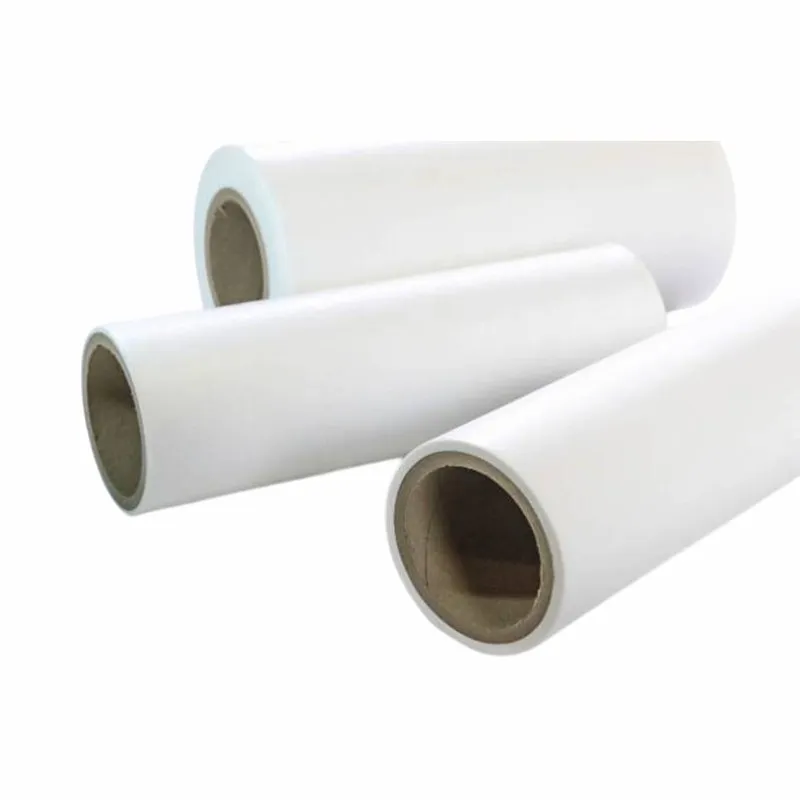
3. PTFE Skived Film
PTFE skived film can be used as a liner on conveyor belts. It provides an extra layer of non - stick surface, enhancing the performance of the conveyor belt in handling sticky ceramic materials.
Considerations When Using PTFE Conveyor Belts in the Ceramic Industry
1. Belt Width and Length
The width and length of the PTFE conveyor belt should be carefully selected according to the specific requirements of the ceramic production line. A belt that is too narrow may not be able to carry the ceramic products properly, while a belt that is too long may cause unnecessary tension and wear.
2. Tension Adjustment
Proper tension adjustment is crucial for the smooth operation of the PTFE conveyor belt. If the tension is too loose, the belt may slip, causing misalignment and potential damage to the ceramic products. If the tension is too tight, it can increase the wear on the belt and the conveyor system components.
3. Cleaning and Maintenance
Although PTFE conveyor belts are relatively easy to clean due to their non - stick surface, regular cleaning and maintenance are still necessary. This includes removing any debris or dust that may accumulate on the belt and checking for any signs of wear or damage.
Conclusion
So, can PTFE conveyor belts be used in the ceramic industry? Absolutely! Their non - stick surface, high heat resistance, chemical inertness, flexibility, and durability make them an ideal choice for various processes in the ceramic manufacturing process. Whether it's raw material handling, molding, drying, firing, or finishing, PTFE conveyor belts can improve the efficiency and quality of ceramic production.
If you're in the ceramic industry and looking for a reliable conveyor belt solution, I'd love to chat with you. We have a wide range of PTFE conveyor belts, including the PTFE Dragon Mesh Belt, PTFE Conveyor Belt, and PTFE Skived Film, to meet your specific needs. Contact us today to discuss your requirements and let's find the perfect PTFE conveyor belt for your ceramic production line.
References
- Chemical Properties of PTFE, Polymer Science Journal
- Ceramic Manufacturing Processes, Industrial Ceramics Handbook
- Conveyor Belt Technology, Conveyor Belt Manufacturers Association


