


As a PTFE film supplier deeply involved in the industry, I often encounter inquiries about the recyclability of PTFE film. This topic is not only of great interest to environmental - conscious customers but also crucial for the long - term sustainability of our business. In this blog, I'll explore whether PTFE film can be recycled, the challenges involved, and the potential solutions.
What is PTFE Film?
PTFE, or polytetrafluoroethylene, is a synthetic fluoropolymer of tetrafluoroethylene. It is well - known for its non - stick properties, high chemical resistance, and excellent thermal stability. PTFE film is a thin sheet made from this remarkable material, which finds a wide range of applications. It is used in industries such as electronics, food processing, aerospace, and chemical manufacturing. For instance, in the electronics industry, PTFE film is used as insulation due to its high dielectric strength. In food processing, its non - stick nature makes it ideal for conveyor belts and baking sheets.
The unique properties of PTFE film are derived from its molecular structure. The carbon - fluorine bonds in PTFE are extremely strong, which gives the material its outstanding chemical and thermal stability. However, these same strong bonds also pose challenges when it comes to recycling.
The Challenges of Recycling PTFE Film
One of the main challenges in recycling PTFE film is its chemical inertness. The strong carbon - fluorine bonds that make PTFE so resistant to chemicals and heat also make it very difficult to break down. Traditional recycling methods, such as melting and re - molding, are not effective for PTFE because it has a very high melting point (around 327°C) and degrades before reaching a fully molten state.
Another issue is the presence of contaminants. PTFE film is often used in industrial applications where it can come into contact with various chemicals, oils, and other substances. These contaminants need to be removed before the recycling process can begin, which adds to the complexity and cost of recycling.
In addition, the lack of a well - established recycling infrastructure for PTFE film is a significant hurdle. Unlike more common plastics like PET or HDPE, there are relatively few facilities that are equipped to handle PTFE recycling. This limited infrastructure means that the cost of transporting PTFE film to recycling facilities can be prohibitively high, especially for small - scale producers or users.
Current Recycling Methods for PTFE Film
Despite the challenges, there are some methods being used to recycle PTFE film. One approach is mechanical recycling, which involves grinding the PTFE film into small particles and then using these particles as fillers in new PTFE products or other materials. This method can reduce the amount of virgin PTFE needed, but it has limitations. The recycled particles may have different properties compared to virgin PTFE, which can affect the performance of the final product.
Another method is chemical recycling. This involves breaking down the PTFE polymer into its monomers or other smaller molecules through chemical reactions. However, chemical recycling of PTFE is still in the experimental stage and faces many technical and economic challenges. The high energy requirements and the use of expensive chemicals make this method currently unfeasible for large - scale recycling.
The Future of PTFE Film Recycling
The future of PTFE film recycling looks promising, but there is still a long way to go. Research is ongoing to develop more efficient and cost - effective recycling methods. For example, scientists are exploring the use of catalysts to break down the carbon - fluorine bonds in PTFE at lower temperatures.
In addition, there is a growing awareness of the need for sustainable practices in the PTFE industry. More and more companies are starting to invest in research and development to find ways to recycle PTFE film. As the demand for sustainable products increases, the market for recycled PTFE film is likely to grow, which will in turn encourage the development of better recycling technologies.
Our Role as a PTFE Film Supplier
As a PTFE film supplier, we understand the importance of sustainability. We are committed to working with our customers and partners to find solutions for PTFE film recycling. We are constantly exploring new recycling methods and technologies to reduce the environmental impact of our products.
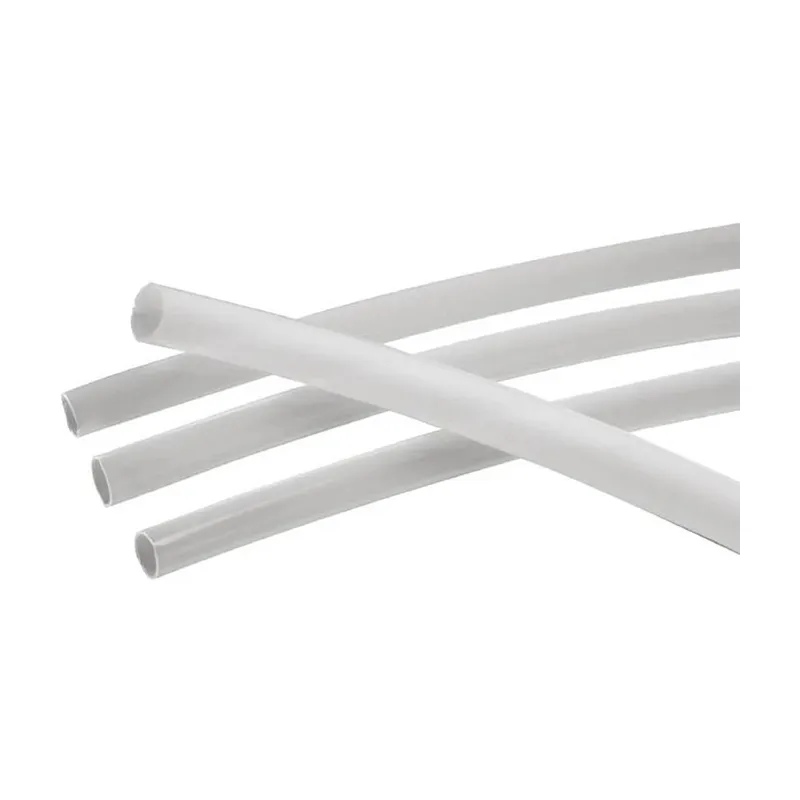
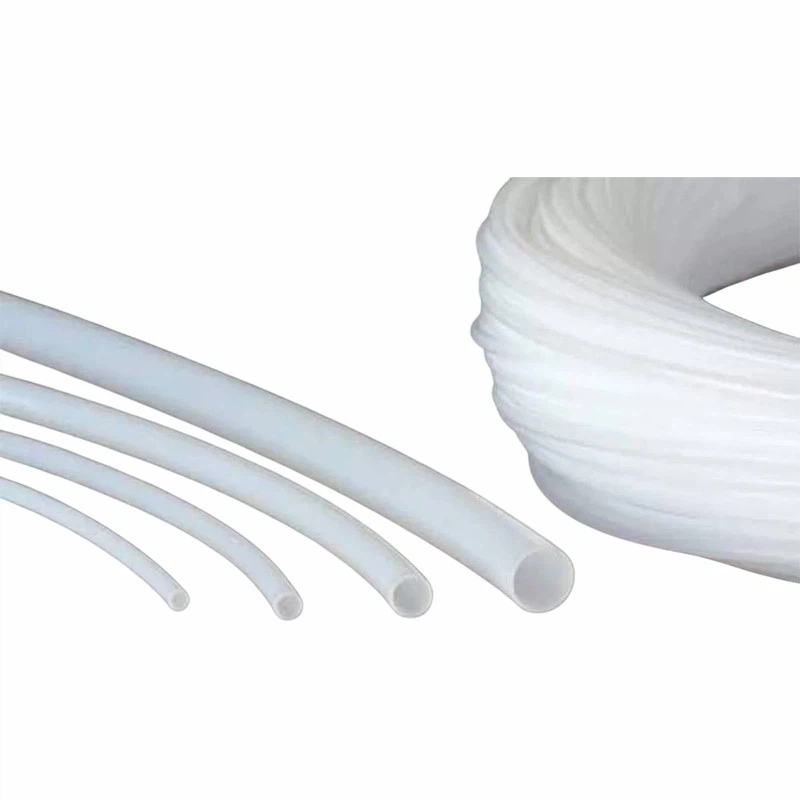
In addition to our efforts in recycling, we also offer a wide range of high - quality PTFE products. Our PTFE Tube Fittings are designed to provide reliable connections in various industrial applications. Our PTFE Rod is available in different sizes and grades, suitable for machining into custom parts. And our PTFE Tube is known for its excellent chemical resistance and flexibility.
Encouraging Recycling in the Industry
To encourage recycling in the PTFE film industry, we believe that collaboration is key. We are working with other suppliers, manufacturers, and recycling facilities to establish a more comprehensive recycling system. This includes sharing knowledge and resources, as well as promoting the use of recycled PTFE products.
We also encourage our customers to be more environmentally conscious. We provide information on how to properly dispose of PTFE film and support them in finding recycling solutions. By working together, we can make a significant impact on reducing the environmental footprint of the PTFE film industry.
Contact Us for PTFE Film Procurement
If you are interested in purchasing high - quality PTFE film or any of our other PTFE products, we would be delighted to hear from you. Whether you need a small quantity for a research project or a large volume for industrial production, we have the expertise and resources to meet your needs.
We offer competitive prices, excellent customer service, and fast delivery. Our team of experts is always ready to provide you with technical support and advice. Contact us today to start a procurement discussion and find out how we can help you with your PTFE requirements.
References
- "Handbook of Fluoropolymer Science and Technology" by Harry L. Resnick.
- Journal articles on PTFE recycling from scientific journals such as "Polymer Degradation and Stability".
- Industry reports on the PTFE market and recycling trends.


