


Can PTFE Film be used in optical applications?
Hey there! I'm a supplier of PTFE film, and I often get asked whether PTFE film can be used in optical applications. Well, let's dive right into it and explore this topic.
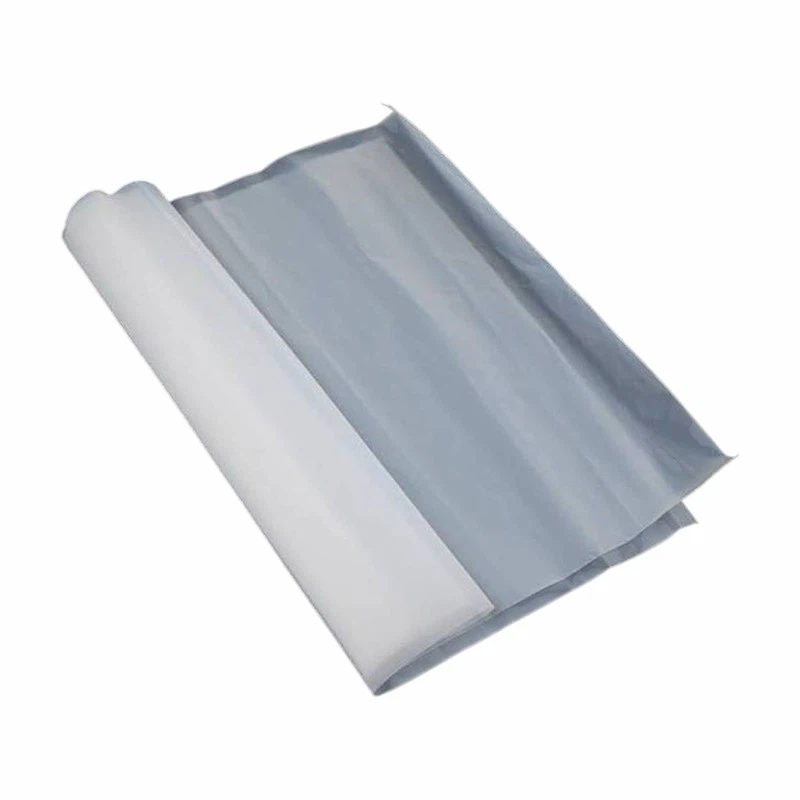
First off, let's talk a bit about what PTFE film is. PTFE, or polytetrafluoroethylene, is a synthetic fluoropolymer of tetrafluoroethylene. It's well - known for its amazing properties like high chemical resistance, low friction, and excellent thermal stability. Our PTFE Teflon Film is a high - quality product that has a wide range of applications.
When it comes to optical applications, there are several factors we need to consider. One of the key aspects is transparency. In many optical setups, we need materials that can transmit light effectively. PTFE film has some interesting characteristics in this regard.
PTFE film is semi - transparent. It doesn't have the same level of transparency as some traditional optical materials like glass or certain plastics. However, its semi - transparency can be an advantage in some specific optical applications. For example, in some diffuser applications, we want to scatter light evenly. The semi - transparency of PTFE film can help achieve this. When light passes through the film, it gets diffused, creating a more uniform light distribution. This is useful in lighting fixtures, where we want to avoid harsh, direct light and create a softer, more pleasant illumination.
Another important property in optical applications is the refractive index. The refractive index of a material determines how light bends when it passes from one medium to another. PTFE film has a relatively low refractive index. This can be beneficial in some optical systems where we need to control the path of light. For instance, in some optical waveguides or fiber - optic - related applications, a material with a low refractive index can help in guiding light more efficiently.
Now, let's talk about the durability of PTFE film in optical applications. As I mentioned earlier, PTFE is highly chemically resistant. In optical setups that might be exposed to various chemicals, PTFE film can maintain its optical properties over time. This is a huge advantage compared to some other materials that might degrade when in contact with chemicals. Also, its low friction property means that it's less likely to get scratched easily. In optical systems where the surface of the material needs to remain smooth for proper light transmission, this is a valuable feature.
Our PTFE Film Adhesive Tape can also be used in some optical applications. The adhesive on the tape allows for easy installation in optical devices. For example, in some small - scale optical sensors or displays, the tape can be used to attach different components together while still maintaining the optical properties of the overall system.
However, PTFE film also has its limitations in optical applications. One of the main drawbacks is its relatively high absorption of certain wavelengths of light. In the ultraviolet (UV) and infrared (IR) regions, PTFE film absorbs more light compared to some dedicated optical materials. This can be a problem in applications where we need to work with these wavelengths. For example, in UV - based curing systems or IR - based sensing applications, the absorption of light by PTFE film can reduce the efficiency of the system.
Another limitation is the surface roughness. Although PTFE film has a smooth feel, on a microscopic level, it has some surface irregularities. These irregularities can cause some scattering of light, which might not be desirable in applications where we need high - precision optical performance.
Despite these limitations, there are ways to optimize the use of PTFE film in optical applications. We can treat the surface of the film to reduce its absorption in specific wavelengths. There are also techniques to smooth the surface further to minimize light scattering.
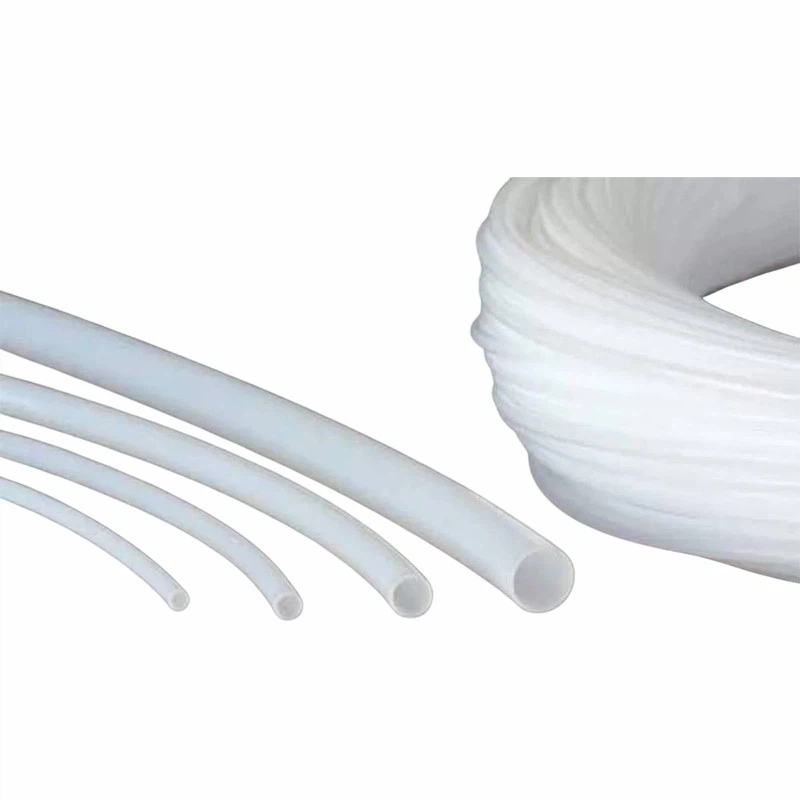
In addition to the diffuser and waveguide applications I mentioned earlier, PTFE film can also be used in some optical insulation applications. In some optical instruments, we need to isolate different optical components to prevent interference. The chemical and thermal stability of PTFE film make it a good choice for this purpose. Our PTFE Tube can also be used in optical - related setups, for example, to protect optical fibers from external damage while still allowing light to pass through in a controlled manner.
So, to sum it up, PTFE film can definitely be used in optical applications, but it's not a one - size - fits - all solution. It has its unique advantages, such as semi - transparency, low refractive index, and high durability, but also some limitations like light absorption and surface roughness. Depending on the specific requirements of the optical application, PTFE film can be a great option or might need to be used in combination with other materials.
If you're involved in optical applications and think PTFE film could be a good fit for your project, I'd love to have a chat with you. Whether you need more information about the properties of our PTFE film, want to discuss specific application requirements, or are ready to place an order, don't hesitate to reach out. We can work together to find the best PTFE - based solution for your optical needs.
References
- "Handbook of Polytetrafluoroethylene (PTFE) Technology"
- "Optical Materials Science and Engineering" textbooks


