


As a PTFE tube supplier deeply entrenched in the industry, I am often confronted with a variety of inquiries from clients. One question that has been popping up more frequently lately is, "Can PTFE tube be colored?" In this blog post, I aim to delve into this topic comprehensively, exploring the possibilities, methods, and implications of coloring PTFE tubes.
Understanding PTFE Tubes
Before we jump into the coloring aspect, it's essential to have a basic understanding of PTFE tubes. PTFE, or polytetrafluoroethylene, is a synthetic fluoropolymer of tetrafluoroethylene. It is well - known for its outstanding chemical resistance, high temperature tolerance, low friction coefficient, and excellent electrical insulation properties. These characteristics make PTFE tubes highly sought - after in a wide range of industries, including chemical processing, food and beverage, pharmaceuticals, and electronics.
The Feasibility of Coloring PTFE Tubes
The short answer is yes, PTFE tubes can be colored. However, it's not as straightforward as coloring some other materials. PTFE has a very low surface energy, which means that it is extremely non - stick and resistant to adhesion. This property makes it difficult for traditional dyes and pigments to bond to the PTFE surface.
Methods of Coloring PTFE Tubes
Incorporation of Pigments During Manufacturing
One of the most common methods of coloring PTFE tubes is to incorporate pigments into the PTFE resin during the manufacturing process. This involves mixing the PTFE resin with carefully selected pigments before the extrusion process. The pigments need to be compatible with PTFE and able to withstand the high temperatures involved in the extrusion process. This method ensures a more uniform color throughout the tube, as the pigment is distributed evenly within the PTFE matrix.

Surface Coating
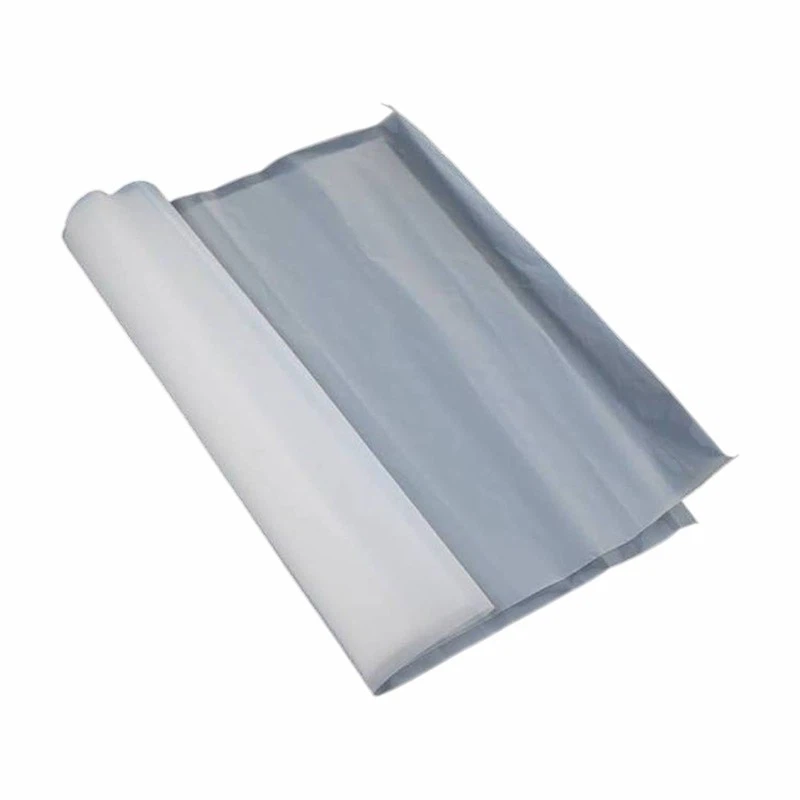
Another approach is surface coating. Specialized coatings can be applied to the outer surface of the PTFE tube. These coatings are formulated to adhere to the PTFE surface despite its low surface energy. However, this method has some limitations. The coating may not be as durable as the pigment - incorporated method, and there is a risk of the coating peeling or wearing off over time, especially in applications with high friction or abrasion.
Advantages of Colored PTFE Tubes
Identification and Organization
Colored PTFE tubes can be a great asset in industrial settings where multiple tubes are used. Different colors can be assigned to different functions, fluids, or systems, making it easier for workers to identify and organize the tubes. For example, in a chemical processing plant, blue tubes could be used for water lines, red for hot fluids, and green for chemical waste.
Aesthetic Appeal
In some applications, such as consumer products or architectural installations, the aesthetic aspect is important. Colored PTFE tubes can add a touch of style and uniqueness to the final product. For instance, in high - end kitchen appliances, colored PTFE tubes can enhance the overall look of the device.
Considerations When Coloring PTFE Tubes
Chemical Compatibility
When choosing pigments or coatings for coloring PTFE tubes, it is crucial to ensure that they are chemically compatible with the fluids or substances that will come into contact with the tubes. Incompatible pigments or coatings could react with the fluids, leading to contamination or degradation of the tube.
Temperature Resistance
Since PTFE tubes are often used in high - temperature applications, the pigments and coatings used for coloring must be able to withstand these temperatures without degrading or changing color.
Regulatory Compliance
In industries such as food and beverage and pharmaceuticals, colored PTFE tubes must comply with relevant regulatory standards. The pigments and coatings used must be approved for use in contact with food or drugs.
Applications of Colored PTFE Tubes
Medical Industry
In the medical field, colored PTFE tubes can be used for various applications, such as catheters and tubing for medical devices. Different colors can be used to distinguish between different types of catheters or to indicate the flow direction of fluids.
Automotive Industry
In the automotive industry, colored PTFE tubes can be used for fuel lines, brake lines, and other fluid transfer applications. The color - coding can help mechanics quickly identify and troubleshoot problems.
Electronics Industry
In electronics, colored PTFE tubes can be used for insulation and cable management. Different colors can be used to identify different electrical circuits or functions.
Our Offerings as a PTFE Tube Supplier
As a leading PTFE tube supplier, we understand the diverse needs of our clients. We offer a wide range of colored PTFE tubes, produced using the latest manufacturing techniques. Our tubes are available in various colors and sizes, and we can also customize the color according to your specific requirements.
We also provide PTFE Tube Fittings that are designed to work seamlessly with our colored PTFE tubes. These fittings ensure a secure and leak - free connection, enhancing the overall performance of your system.
In addition to PTFE tubes and fittings, we also offer PTFE Film Adhesive Tape and PTFE Teflon Film, which can be used in a variety of applications, including sealing, insulation, and protection.
Contact Us for Your PTFE Tube Needs
If you are interested in purchasing colored PTFE tubes or other PTFE products, we invite you to contact us. Our team of experts is ready to assist you in selecting the right products for your specific application. We can provide detailed technical information, samples, and competitive pricing. Whether you need a small quantity for a prototype or a large - scale production order, we have the capabilities to meet your requirements.
References
- "Handbook of Fluoropolymer Science and Technology" by Harry L. Hung and Alfred Feiring.
- "PTFE: Properties and Applications" by various industry experts, published by a leading chemical engineering research institute.


