


Do PTFE seals have good elasticity? That's a question I get asked a lot as a PTFE seals supplier. In this blog, I'll dive into the world of PTFE seals, talk about their elasticity, and give you the lowdown on how they stack up in different applications.
First off, let's talk a bit about PTFE. PTFE, or polytetrafluoroethylene, is a synthetic fluoropolymer that's known for its outstanding chemical resistance, low friction coefficient, and high-temperature stability. It's used in a wide range of industries, from automotive to aerospace, and from food processing to chemical manufacturing.
Now, when it comes to elasticity, it's important to understand what we mean by that term. Elasticity refers to a material's ability to deform under stress and then return to its original shape when the stress is removed. Materials like rubber are well-known for their high elasticity. They can stretch a lot and bounce back quickly. So, how does PTFE compare?
PTFE, on its own, doesn't have the same level of elasticity as rubber. It's a relatively rigid material. When you try to stretch it, it won't stretch as easily as a rubber seal, and it might not return to its exact original shape. This is because of its molecular structure. PTFE has a very stable and tightly packed molecular arrangement, which gives it its excellent chemical and thermal properties but limits its ability to deform elastically.
However, that doesn't mean PTFE seals can't work effectively in sealing applications. In fact, there are several ways that PTFE can be used to create seals that perform well. One common approach is to use PTFE in combination with other materials. For example, PTFE can be filled with various additives to improve its mechanical properties, including its ability to seal. These filled PTFE materials can have better elasticity and resilience compared to pure PTFE.
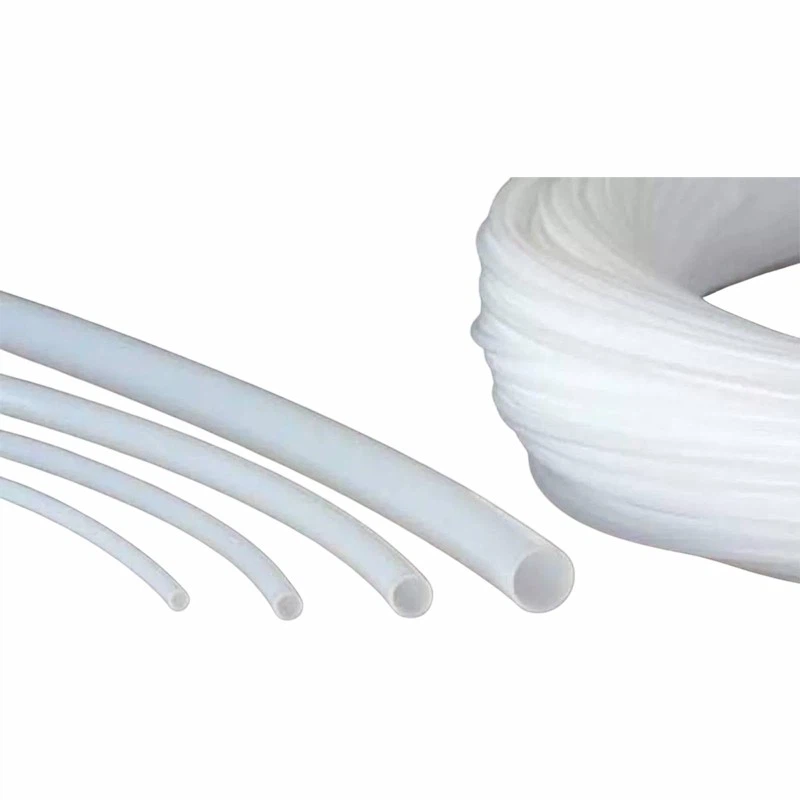
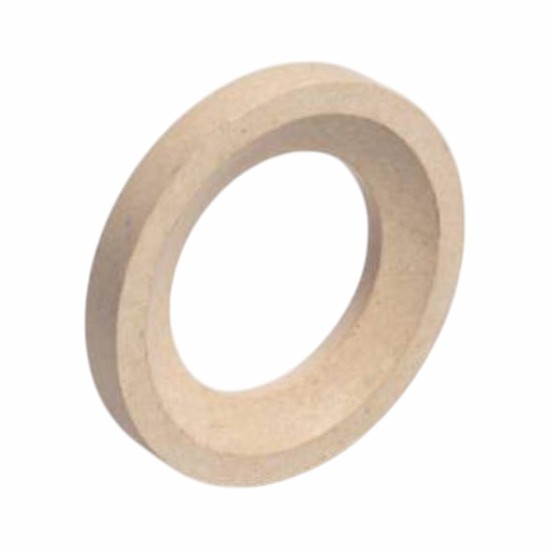
Another way is to design the PTFE seal in a way that takes advantage of its unique properties. For instance, PTFE seals can be made in specific shapes and geometries that allow them to conform to the surfaces they're sealing against. This can help compensate for the lack of high elasticity. In some cases, PTFE seals can be used in applications where a small amount of deformation is acceptable, and the other benefits of PTFE, such as chemical resistance and low friction, are more important.
Let's take a look at some specific applications where PTFE seals are commonly used. One such application is in ball valves. PTFE Ball Valve Seat are widely used because of their excellent chemical resistance and ability to seal against high pressures. In a ball valve, the PTFE seat needs to form a tight seal around the ball to prevent leakage. While the PTFE seat may not have the same elasticity as a rubber seal, its design and the properties of PTFE allow it to create an effective seal.
PTFE sleeves are another popular product. PTFE Sleeves are used in a variety of applications, such as in bearings and shafts. They provide a low-friction surface and can help reduce wear and tear. The design of PTFE sleeves often takes into account the material's properties, and they can be installed in a way that ensures a proper fit and seal.
Of course, PTFE Seals themselves are used in countless applications. They can be found in pumps, compressors, and other equipment where a reliable seal is required. The key to using PTFE seals effectively is to understand their limitations and design the sealing system accordingly.
In some cases, the lack of high elasticity in PTFE seals can actually be an advantage. For example, in applications where a seal needs to maintain its shape and dimensions over a long period of time, PTFE's stability can be a big plus. It won't swell or shrink due to exposure to chemicals or high temperatures, which can be a problem with rubber seals.
So, to answer the question "Do PTFE seals have good elasticity?" It depends on how you define "good." Compared to rubber, PTFE seals don't have the same high level of elasticity. But in many applications, they can still provide an effective seal and offer other benefits that make them a great choice.
If you're in the market for PTFE seals or other PTFE machined components, I'd love to have a chat with you. Whether you need help choosing the right material, understanding the design requirements, or just want to learn more about how PTFE can work for your application, I'm here to assist. Don't hesitate to reach out and start a conversation about your specific needs.
References
- "Handbook of Fluoropolymer Science and Technology" by John Scheirs
- "Polytetrafluoroethylene (PTFE) - Properties, Applications, and Processing" from various industry research papers


