


As a seasoned supplier of PTFE sleeves, I've encountered numerous inquiries regarding the weatherability of these remarkable products. Weatherability is a crucial factor, especially for applications where PTFE sleeves are exposed to the elements. In this blog, we'll delve into the science behind PTFE's weather resistance, explore its performance in various weather conditions, and highlight its advantages in real - world scenarios.
Understanding PTFE and Its Molecular Structure
Polytetrafluoroethylene (PTFE) is a synthetic fluoropolymer of tetrafluoroethylene. Its unique molecular structure is the key to its outstanding properties. PTFE consists of a long chain of carbon atoms, with each carbon atom bonded to two fluorine atoms. The carbon - fluorine bond is one of the strongest in organic chemistry. This strong bond provides PTFE with high chemical resistance, low friction, and excellent thermal stability.
When it comes to weatherability, the carbon - fluorine bond acts as a shield. It protects the PTFE from degradation caused by environmental factors such as sunlight, moisture, and oxygen. The dense fluorine atoms on the surface of the PTFE molecule create a barrier that prevents most chemicals and environmental agents from interacting with the carbon backbone.
PTFE Sleeves in Different Weather Conditions
Sunlight and UV Resistance
Sunlight contains ultraviolet (UV) radiation, which can cause many materials to degrade over time. UV rays can break chemical bonds in polymers, leading to discoloration, embrittlement, and loss of mechanical properties. However, PTFE is highly resistant to UV radiation. The strong carbon - fluorine bond in PTFE is not easily broken by UV light. As a result, PTFE sleeves can maintain their physical and chemical properties even after long - term exposure to sunlight.
In outdoor applications, such as in the aerospace and automotive industries, PTFE sleeves are often used in components that are exposed to direct sunlight. For example, in aircraft wiring systems, PTFE insulation PTFE Insulation sleeves protect the wires from UV damage, ensuring reliable performance over the lifespan of the aircraft.
Moisture and Humidity Resistance
Moisture and humidity can also have a detrimental effect on many materials. Water can penetrate the structure of polymers, causing swelling, corrosion, and the growth of mold and mildew. PTFE has an extremely low surface energy, which means that water droplets bead up and roll off the surface of PTFE sleeves. This property, known as hydrophobicity, prevents water from being absorbed into the material.
In marine environments, where components are constantly exposed to high humidity and saltwater spray, PTFE sleeves are an ideal choice. They can protect electrical cables, hoses, and other components from moisture - related damage. For instance, in offshore oil rigs, PTFE sleeves are used to insulate and protect the wiring systems, ensuring that they function properly in the harsh marine environment.
Temperature Extremes
PTFE has a wide operating temperature range, from - 200°C to 260°C. This makes PTFE sleeves suitable for use in both extremely cold and hot weather conditions. In cold temperatures, PTFE remains flexible and does not become brittle, which is important for applications where the sleeves need to maintain their shape and performance. In high - temperature environments, PTFE does not melt or degrade easily, providing reliable protection for components.
For example, in industrial ovens and furnaces, PTFE sleeves can be used to insulate and protect wires and cables from the high - temperature environment. Similarly, in Arctic regions, where temperatures can drop to extremely low levels, PTFE sleeves can ensure the proper functioning of electrical and mechanical systems.
Advantages of Using PTFE Sleeves for Weather - Exposed Applications
Long - Term Durability
Due to their excellent weatherability, PTFE sleeves have a long service life. They can withstand years of exposure to various weather conditions without significant degradation. This reduces the need for frequent replacements, saving both time and money in the long run.
Low Maintenance
PTFE sleeves require minimal maintenance. Their hydrophobic nature and resistance to dirt and grime mean that they can be easily cleaned. In most cases, simply wiping the sleeves with a clean cloth is sufficient to keep them in good condition.
Versatility
PTFE sleeves can be used in a wide range of applications, from electrical insulation to mechanical protection. Their weatherability makes them suitable for both indoor and outdoor use, in industries such as aerospace, automotive, marine, and industrial manufacturing.

Real - World Examples of PTFE Sleeve Applications
PTFE Ball Valve Seat
In the oil and gas industry, PTFE ball valve seats PTFE Ball Valve Seat are widely used. These valve seats are exposed to a variety of environmental conditions, including high - pressure fluids, chemicals, and outdoor weather. The weatherability of PTFE ensures that the valve seats maintain their sealing properties over time, preventing leaks and ensuring the safe and efficient operation of the valve systems.
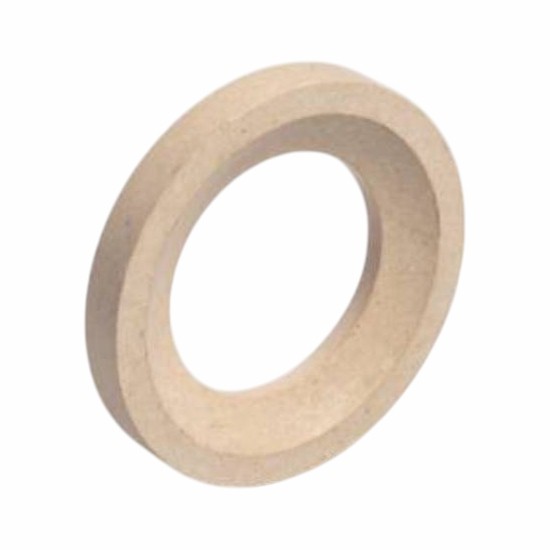
PTFE Custom Rings
PTFE custom rings PTFE Custom Rings are used in many applications where a tight seal is required. In outdoor machinery and equipment, these rings are exposed to rain, sunlight, and temperature variations. The weather - resistant properties of PTFE ensure that the custom rings maintain their shape and sealing performance, even in harsh environmental conditions.
Conclusion
In conclusion, PTFE sleeves have excellent weatherability. Their unique molecular structure, which features strong carbon - fluorine bonds, provides them with high resistance to UV radiation, moisture, and temperature extremes. This makes PTFE sleeves a reliable choice for a wide range of applications where components are exposed to the elements.
If you're in need of high - quality PTFE sleeves for your weather - exposed applications, we'd love to hear from you. Our team of experts can help you select the right PTFE sleeves for your specific requirements. Whether you're in the aerospace, automotive, marine, or industrial manufacturing industry, we have the products and expertise to meet your needs. Contact us today to start a procurement discussion and find out how our PTFE sleeves can enhance the performance and durability of your products.
References
- "Fluoropolymers: Chemistry and Applications" by John Scheirs.
- "Handbook of Polymer Science and Technology" edited by Daniel Klempner and Kurt C. Frisch.


