


As a supplier of PTFE tube connectors, I understand the importance of protecting these components from physical damage. PTFE tube connectors are widely used in various industries due to their excellent chemical resistance, high-temperature stability, and low friction coefficient. However, they can be vulnerable to physical damage, which can compromise their performance and longevity. In this blog post, I will share some effective strategies on how to protect PTFE tube connectors from physical damage.
Understanding the Vulnerabilities of PTFE Tube Connectors
Before we delve into the protection methods, it's essential to understand why PTFE tube connectors are susceptible to physical damage. PTFE, or polytetrafluoroethylene, is a relatively soft and flexible material. While this flexibility is an advantage in many applications, it also means that the connectors can be easily scratched, dented, or deformed if not handled properly. Additionally, sharp objects, excessive force, and improper installation can all lead to physical damage to the connectors.
Proper Handling and Storage
One of the most basic yet crucial steps in protecting PTFE tube connectors is proper handling and storage. When handling the connectors, always use clean gloves to prevent dirt, oils, and other contaminants from coming into contact with the PTFE surface. Avoid using sharp tools or objects that could scratch or puncture the connectors.
During storage, keep the connectors in a clean, dry environment away from direct sunlight and extreme temperatures. Store them in a dedicated container or rack to prevent them from being crushed or damaged by other objects. If possible, use protective packaging, such as foam inserts or plastic bags, to cushion the connectors and provide an extra layer of protection.
Correct Installation Techniques
Proper installation is key to ensuring the long-term performance and durability of PTFE tube connectors. Follow the manufacturer's installation instructions carefully and use the recommended tools and equipment. Here are some general installation tips to keep in mind:
- Prepare the Tubes: Before installing the connectors, make sure the tubes are clean, dry, and free of any debris or burrs. Cut the tubes to the appropriate length using a sharp tube cutter to ensure a clean, square cut.
- Lubricate the Connectors: Apply a small amount of compatible lubricant to the threads or sealing surfaces of the connectors to facilitate installation and prevent damage. Avoid using lubricants that contain silicone or other substances that could react with the PTFE.
- Tighten the Connectors Properly: Use a torque wrench to tighten the connectors to the recommended torque specification. Over-tightening can cause the connectors to deform or crack, while under-tightening can result in leaks.
- Avoid Excessive Bending or Twisting: When installing the connectors, avoid excessive bending or twisting of the tubes, as this can put stress on the connectors and cause them to fail. Use appropriate bends and fittings to ensure a smooth, straight flow of fluid or gas.
Use of Protective Accessories
In addition to proper handling, storage, and installation, using protective accessories can further enhance the protection of PTFE tube connectors. Here are some examples of protective accessories that can be used:
- Protective Caps and Plugs: Protective caps and plugs can be used to cover the ends of the connectors when they are not in use. This helps to prevent dirt, dust, and other contaminants from entering the connectors and causing damage.
- Sleeve Guards: Sleeve guards can be used to protect the connectors from abrasion, impact, and other types of physical damage. They are typically made of a durable material, such as rubber or plastic, and can be easily installed over the connectors.
- Shielding Sleeves: Shielding sleeves can be used to protect the connectors from electromagnetic interference (EMI) and radio frequency interference (RFI). They are typically made of a conductive material, such as copper or aluminum, and can be wrapped around the connectors to provide a protective barrier.
Regular Inspection and Maintenance
Regular inspection and maintenance are essential for detecting and preventing physical damage to PTFE tube connectors. Inspect the connectors regularly for signs of wear, damage, or leakage. Look for scratches, dents, cracks, or other visible defects. If any damage is detected, replace the connectors immediately to prevent further problems.
In addition to visual inspection, perform regular pressure tests and leak checks to ensure the integrity of the connectors. Follow the manufacturer's recommended maintenance schedule and procedures to keep the connectors in good working condition.
Conclusion
Protecting PTFE tube connectors from physical damage is essential for ensuring their long-term performance and reliability. By following the strategies outlined in this blog post, including proper handling and storage, correct installation techniques, use of protective accessories, and regular inspection and maintenance, you can minimize the risk of physical damage and extend the lifespan of your PTFE tube connectors.
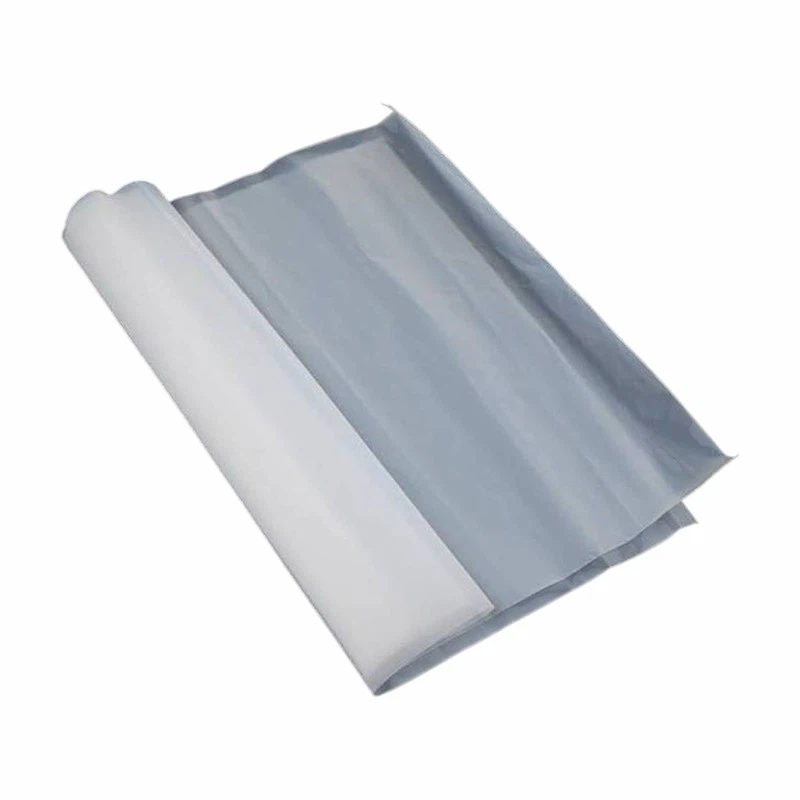
If you are interested in purchasing high-quality PTFE tube connectors or have any questions about protecting them from physical damage, please feel free to contact us for more information. We are a leading supplier of PTFE Tube Fittings and other PTFE semi-finished products, including PTFE Film and PTFE Teflon Film. Our team of experts is always ready to assist you with your specific needs and requirements.

References
- PTFE Tube Connector Installation Guide, Manufacturer's Manual
- PTFE Material Properties and Applications, Industry Handbook
- Best Practices for Protecting PTFE Components, Technical Article


