


When it comes to sealing solutions, choosing the right type of seal is crucial for the performance, reliability, and longevity of various industrial applications. Two commonly used types of seals are PTFE (Polytetrafluoroethylene) seals and metal seals. As a PTFE seals supplier, I have in - depth knowledge of both types of seals and their characteristics. In this blog, I'll compare PTFE seals with metal seals across several key aspects to help you make an informed decision for your specific needs.
Material Properties
PTFE is a synthetic fluoropolymer of tetrafluoroethylene. It is well - known for its exceptional chemical resistance. PTFE can withstand a wide range of chemicals, including acids, bases, and organic solvents, without significant degradation. This makes it an ideal choice for applications in the chemical processing industry, where exposure to harsh chemicals is common. For example, in a chemical plant, PTFE seals can be used in pumps and valves that handle corrosive substances, ensuring long - term operation without seal failure due to chemical attack.
On the other hand, metal seals are typically made from materials like stainless steel, aluminum, or copper. While they also have good resistance to some chemicals, their performance is not as versatile as PTFE. Metal seals may corrode or react with certain aggressive chemicals, which limits their use in highly corrosive environments. However, metals have high mechanical strength and can withstand high - pressure applications better than PTFE in some cases.
Temperature Resistance
PTFE has a wide operating temperature range. It can operate effectively from - 200°C to 260°C. This broad temperature tolerance makes it suitable for a variety of applications, from cryogenic systems to high - temperature industrial processes. In aerospace applications, for instance, PTFE seals can be used in engines and fuel systems, where they need to withstand extreme temperature variations during flight.
Metal seals generally have a higher melting point compared to PTFE. They can withstand very high temperatures, sometimes up to 1000°C or more, depending on the metal used. This makes them the preferred choice for applications in high - temperature furnaces, power generation plants, and aerospace jet engines where extremely high heat is generated. However, at low temperatures, some metals may become brittle and lose their sealing properties.
Friction and Wear
One of the most remarkable properties of PTFE is its low coefficient of friction. This means that PTFE seals generate less heat and wear during operation, reducing the need for lubrication in many applications. In mechanical systems such as bearings and pumps, the use of PTFE seals can lead to improved efficiency and longer service life. The low friction also allows for smooth movement of components, reducing energy consumption.
Metal seals, on the other hand, have a relatively high coefficient of friction. This can lead to increased wear and tear over time, especially in high - speed or high - load applications. To mitigate this, metal seals often require regular lubrication, which adds to the maintenance cost and complexity of the system.
Compressibility and Conformability
PTFE is a soft and flexible material. It can easily conform to irregular surfaces, providing a tight seal even on rough or uneven mating parts. This property makes PTFE seals suitable for applications where the sealing surfaces are not perfectly smooth, such as in some older or custom - made equipment. PTFE can fill small gaps and imperfections, preventing leakage effectively.
Metal seals are rigid and have limited compressibility. They require a very smooth and flat mating surface to achieve a proper seal. If the sealing surfaces are not well - prepared, metal seals may not be able to provide an adequate seal, leading to leakage.
Cost
In general, PTFE seals are more cost - effective in many applications. The raw material cost of PTFE is relatively low, and the manufacturing process of PTFE seals is also less complex compared to some metal seals. Additionally, the low maintenance requirements of PTFE seals, such as no need for frequent lubrication, further reduce the overall cost of ownership.
Metal seals, especially those made from high - performance alloys, can be quite expensive. The raw material cost of metals like stainless steel or special alloys is high, and the manufacturing processes, such as precision machining, also add to the cost. Moreover, the need for regular maintenance and replacement due to wear and corrosion can make metal seals a more costly option in the long run.
Applications
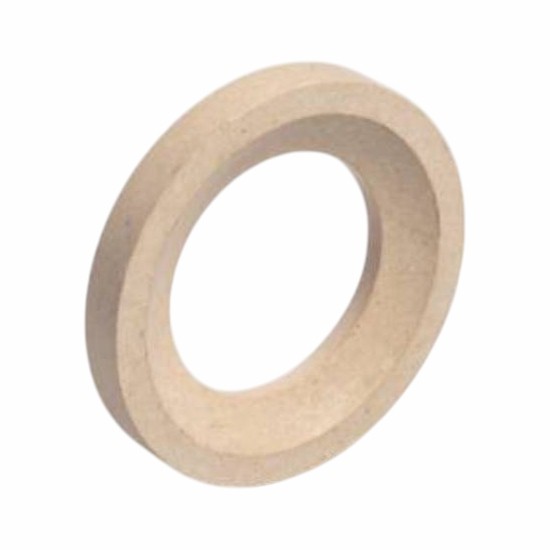
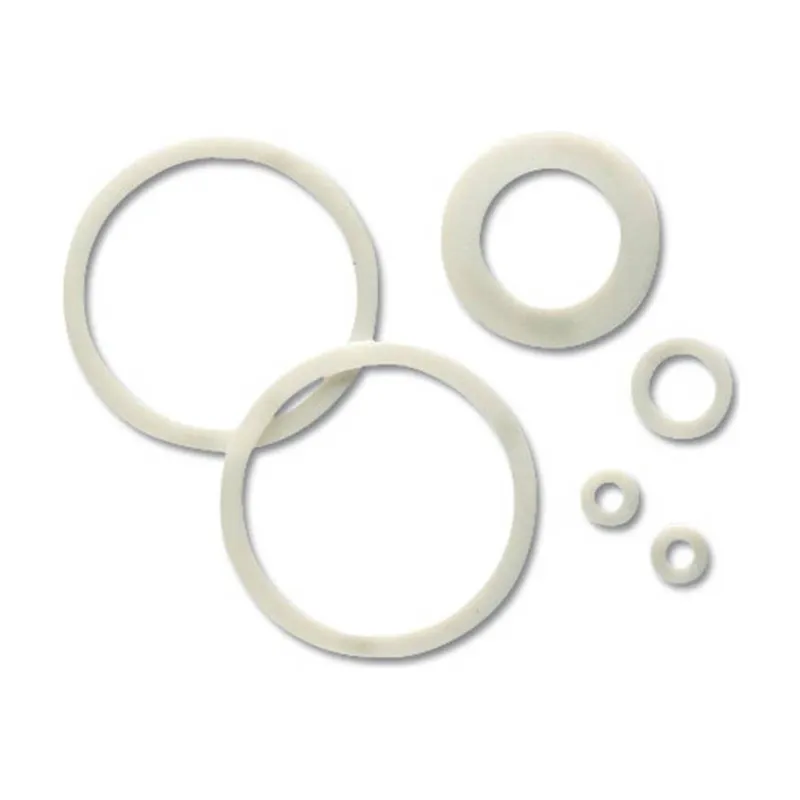
PTFE seals are widely used in industries such as chemical processing, food and beverage, pharmaceuticals, and automotive. In the food and beverage industry, PTFE Custom Rings are commonly used because of their non - toxic nature and chemical resistance. PTFE Ball Valve Seat is also a popular product in valve applications, where its low friction and good sealing performance are highly valued. PTFE Seals are used in automotive engines to prevent oil and coolant leakage.
Metal seals are often used in high - pressure and high - temperature applications, such as in the oil and gas industry for wellhead seals, in power generation plants for steam turbine seals, and in aerospace for engine and exhaust system seals.
Conclusion
In conclusion, both PTFE seals and metal seals have their own unique advantages and disadvantages. PTFE seals excel in chemical resistance, low friction, wide temperature range, conformability, and cost - effectiveness, making them a great choice for a wide variety of general - purpose and specialized applications. Metal seals, on the other hand, are better suited for high - pressure and extremely high - temperature applications where their high mechanical strength and heat resistance are crucial.
As a PTFE seals supplier, I understand that each application has its own specific requirements. Whether you need a seal for a chemical - processing plant, an automotive engine, or a high - tech aerospace component, we can provide you with the right PTFE sealing solutions. If you are considering purchasing seals for your project, I encourage you to contact us for further discussion. Our team of experts can help you evaluate your needs and recommend the most suitable PTFE seals for your application.
References
- "Handbook of Seal Technology" by LeRoy G. Miller
- "Polytetrafluoroethylene (PTFE) - Properties, Applications, and Processing" by various authors in polymer science journals
- "Metals and Alloys in Sealing Applications" - Industry reports on metal seal performance


