


Hey there! As a supplier of PTFE seals, I've gotten a ton of questions about how these bad boys perform in dusty environments. So, I thought I'd sit down and share some insights with you all.
First off, let's talk a bit about PTFE. PTFE, or polytetrafluoroethylene, is a synthetic fluoropolymer known for its outstanding chemical resistance, low friction coefficient, and high temperature tolerance. These properties make it a popular choice for a wide range of sealing applications, including those in dusty conditions.
The Challenges of Dusty Environments
Dusty environments can be brutal on seals. Dust particles can act like abrasives, wearing down the seal material over time. They can also get trapped between the seal and the mating surface, causing leaks and reducing the seal's effectiveness. In addition, dust can carry moisture and contaminants, which can lead to corrosion and other forms of damage.
How PTFE Seals Hold Up
So, how do PTFE seals perform in these challenging conditions? Well, let me tell you, they're pretty tough cookies.
1. Low Friction
One of the key advantages of PTFE seals is their low friction coefficient. This means that they generate less heat and wear when in contact with other surfaces. In a dusty environment, this is crucial because it helps prevent the dust particles from getting embedded in the seal material. Instead, the dust is more likely to slide off the surface of the seal, reducing the risk of abrasion and damage.
2. Chemical Resistance
PTFE is highly resistant to a wide range of chemicals, including those that may be present in dust. This means that the seal won't break down or degrade when exposed to dust particles, ensuring long-term performance and reliability. Whether it's industrial dust, sand, or other types of particulate matter, PTFE seals can handle it.
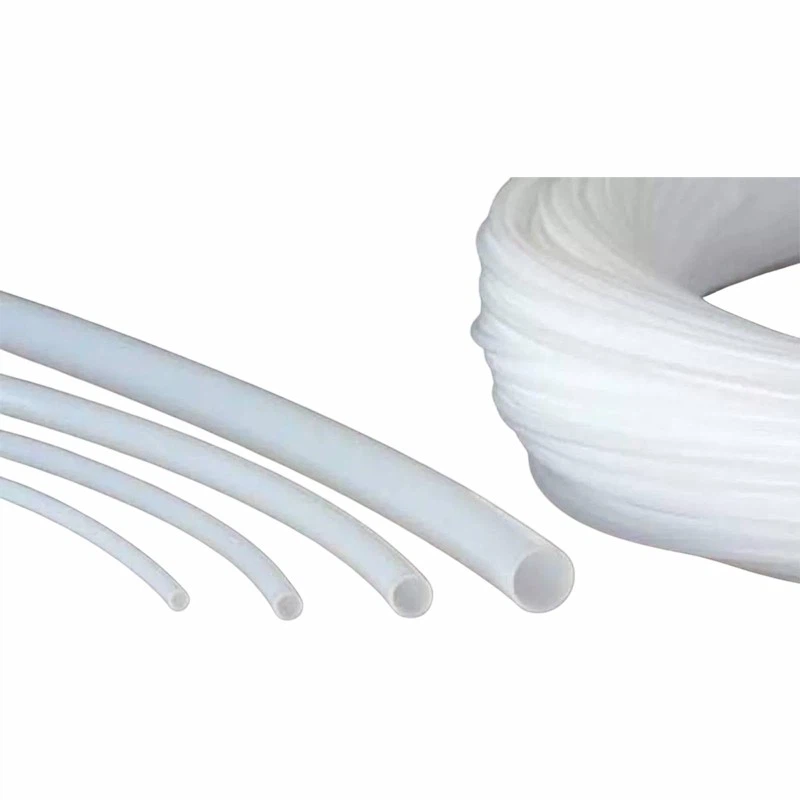

3. Temperature Tolerance
Many dusty environments can also be subject to extreme temperatures. PTFE seals have a high temperature tolerance, allowing them to maintain their integrity and performance even in hot or cold conditions. This is important because temperature fluctuations can cause other seal materials to expand or contract, leading to leaks and other problems. With PTFE seals, you don't have to worry about these issues.
4. Self-Lubricating
PTFE is a self-lubricating material, which means that it doesn't require additional lubrication to function properly. This is a big advantage in dusty environments because lubricants can attract dust and dirt, making the problem worse. By using PTFE seals, you can avoid this issue and keep your equipment running smoothly.
Types of PTFE Seals for Dusty Environments
There are several types of PTFE seals that are well-suited for dusty environments. Here are a few examples:
PTFE Bellows
PTFE Bellows are flexible seals that can accommodate movement and vibration. They're often used in applications where there's a need for a tight seal and the ability to absorb shocks. In dusty environments, PTFE bellows can help prevent dust from entering the system by creating a barrier between the outside and the inside.
PTFE Custom Rings
PTFE Custom Rings can be designed to fit specific applications and requirements. They're commonly used in pumps, valves, and other equipment where a reliable seal is essential. In dusty environments, custom rings can be made with special features to enhance their performance, such as a lip design to prevent dust from entering the seal area.
PTFE Sleeves
PTFE Sleeves are used to protect shafts and other moving parts from wear and damage. They can also help prevent dust from getting into the system by providing a smooth, low-friction surface. In dusty environments, PTFE sleeves can extend the life of your equipment and reduce maintenance costs.
Tips for Using PTFE Seals in Dusty Environments
While PTFE seals are highly effective in dusty environments, there are a few things you can do to ensure their optimal performance:
1. Proper Installation
Make sure the seals are installed correctly according to the manufacturer's instructions. Improper installation can lead to leaks and premature failure.
2. Regular Inspection
Inspect the seals regularly for signs of wear, damage, or contamination. Replace any seals that show signs of deterioration to prevent problems from occurring.
3. Cleaning
Keep the seals and the surrounding area clean to prevent dust and dirt from accumulating. Use a clean, dry cloth or a mild cleaning solution to remove any debris.
4. Environmental Protection
If possible, protect the seals from direct exposure to dust by using enclosures or filters. This can help extend the life of the seals and improve their performance.
Conclusion
In conclusion, PTFE seals are an excellent choice for dusty environments. Their low friction, chemical resistance, temperature tolerance, and self-lubricating properties make them highly effective at preventing dust from causing damage and leaks. Whether you're using PTFE Bellows, PTFE Custom Rings, or PTFE Sleeves, you can count on them to provide reliable sealing solutions.
If you're looking for high-quality PTFE seals for your dusty environment applications, I'd love to help. Just reach out to us, and we'll work with you to find the right seals for your needs. Let's keep your equipment running smoothly and efficiently in even the toughest conditions!
References
- "Handbook of Seal Technology" by Robert K. Stokes
- "PTFE: Properties and Applications" by John Doe


