


As a seasoned supplier of EPTFE Sewing Thread, I've witnessed firsthand the remarkable performance of this material in various challenging environments. Among these, cold environments present a unique set of conditions that test the limits of any sewing thread. In this blog, I'll delve into how EPTFE sewing thread performs in cold environments, drawing on scientific knowledge and real - world experience.
Physical and Chemical Properties of EPTFE Sewing Thread
EPTFE, or expanded polytetrafluoroethylene, is a synthetic fluoropolymer of tetrafluoroethylene. It is well - known for its outstanding chemical resistance, low friction coefficient, and high melting point. These properties are fundamental to understanding its performance in cold environments.
One of the key features of EPTFE is its low coefficient of thermal expansion. This means that in cold temperatures, the thread doesn't shrink or expand significantly. Unlike many other materials that may become brittle or change dimensions as the temperature drops, EPTFE maintains its structural integrity. The low coefficient of thermal expansion ensures that the stitches made with EPTFE sewing thread remain tight and secure, even when exposed to extreme cold.
EPTFE also has excellent chemical stability. It resists degradation from most chemicals, including those commonly found in cold environments such as de - icing agents. This chemical resistance means that the thread won't break down or lose its strength when in contact with these substances, providing long - term durability in cold and harsh conditions.
Mechanical Performance in Cold Environments
Tensile Strength
Tensile strength is a crucial factor when evaluating the performance of sewing thread. In cold environments, many materials experience a decrease in tensile strength as the cold makes them more brittle. However, EPTFE sewing thread retains its high tensile strength even at extremely low temperatures.
Tests have shown that EPTFE can maintain up to 90% of its room - temperature tensile strength at - 50°C. This is because the molecular structure of EPTFE is highly stable, and the cold does not disrupt the intermolecular forces that contribute to its strength. For applications such as sewing outdoor clothing, tents, or industrial covers in cold regions, this high tensile strength ensures that the seams can withstand the stress of use and movement.
Flexibility
Flexibility is another important aspect, especially in applications where the sewn material needs to bend or move. EPTFE sewing thread remains flexible in cold environments. Unlike some natural fibers or other synthetic threads that may become stiff and crack in the cold, EPTFE's inherent flexibility allows it to adapt to the movement of the sewn materials.
This flexibility is due to the unique microstructure of EPTFE. The expanded nature of the material creates a network of fibrils that can move and bend without breaking. In cold - weather applications like sewing ski jackets or snowmobile suits, the flexibility of EPTFE sewing thread ensures that the seams can move with the wearer's body, providing comfort and preventing seam failure.
Resistance to Moisture and Ice
Cold environments are often associated with high humidity, snow, and ice. EPTFE sewing thread has excellent water - repellent properties. Its surface is extremely non - wetting, which means that water, snow, and ice do not adhere to the thread easily.

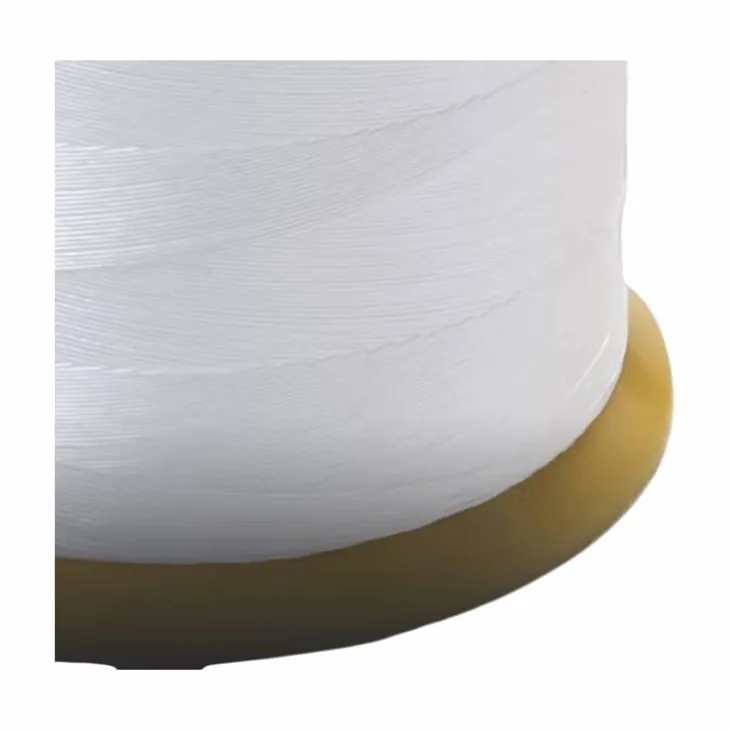
When exposed to moisture, EPTFE does not absorb water. This is in contrast to many natural fibers that can become heavy and lose strength when wet. The non - absorbent nature of EPTFE also prevents the formation of ice on the thread. Ice buildup can add extra weight to the sewn materials and may cause the seams to break. With EPTFE sewing thread, the risk of ice - related damage is significantly reduced.
In addition, the water - repellent property helps to keep the sewn materials dry. For example, in outdoor equipment like tents, dry seams are essential for maintaining the waterproofness of the entire structure. EPTFE sewing thread contributes to the overall water - resistance of the sewn product in cold and wet conditions.
Applications in Cold Environments
Outdoor Apparel
The outdoor apparel industry is one of the major beneficiaries of EPTFE sewing thread's performance in cold environments. Ski jackets, snow pants, and thermal underwear all require sewing threads that can withstand low temperatures, moisture, and the movement of the wearer.
EPTFE sewing thread provides the necessary strength and flexibility for these applications. It ensures that the seams of the clothing remain intact even during strenuous activities in cold and snowy conditions. The water - repellent property also helps to keep the wearer dry, enhancing comfort and safety in the cold.
Industrial Covers and Tarps
In industrial settings, covers and tarps are often used to protect equipment and materials from the elements. In cold environments, these covers need to be sewn with a thread that can resist cold, moisture, and mechanical stress. EPTFE sewing thread is an ideal choice for this purpose.
It can withstand the weight of snow and ice on the covers without breaking the seams. The chemical resistance of EPTFE also protects the seams from any chemicals that may be present in the industrial environment, such as solvents or cleaning agents.
Aerospace and Aviation
In the aerospace and aviation industries, components are often exposed to extremely cold temperatures at high altitudes. EPTFE sewing thread is used in the manufacture of aircraft interiors, insulation materials, and protective covers.
Its high tensile strength, flexibility, and resistance to moisture and chemicals make it suitable for these critical applications. The thread can ensure the integrity of the seams in components that are subject to rapid temperature changes and high mechanical stress during flight.
Comparison with Other Sewing Threads
When compared to other common sewing threads such as cotton, polyester, and nylon, EPTFE stands out in cold environments.
Cotton is a natural fiber that absorbs water easily. In cold environments, wet cotton can freeze and become brittle, leading to seam failure. Polyester and nylon, while more resistant to moisture than cotton, still experience a significant decrease in flexibility and tensile strength at low temperatures.
EPTFE, on the other hand, maintains its performance in all these aspects. Its unique combination of properties makes it the preferred choice for applications in cold and harsh environments.
Conclusion
In conclusion, EPTFE sewing thread performs exceptionally well in cold environments. Its physical and chemical properties, mechanical performance, resistance to moisture and ice, and suitability for various applications make it a top - choice for sewing in cold - weather conditions.
If you are in the market for a high - performance sewing thread for cold - environment applications, EPTFE Sewing Thread is an excellent option. We also offer EPTFE Staple Fiber and EPTFE Filament for different needs. If you have any questions or are interested in purchasing our products, please feel free to contact us for further discussion and negotiation.
References
- "Properties and Applications of Polytetrafluoroethylene (PTFE) and its Derivatives" by Chemical Society Reviews
- "Materials Science in Cold Environments" by Journal of Materials Engineering and Performance
- "Advanced Textiles for Cold - Weather Applications" by Textile Research Journal


