


Hey there! As a PTFE industrial supplier, I've seen firsthand how PTFE performs under various conditions. One area that often raises questions is how PTFE behaves under industrial vibration conditions. So, let's dive right in and explore this topic.
What is PTFE Anyway?
Before we get into the nitty - gritty of vibration, let me quickly give you a rundown on PTFE. PTFE, or polytetrafluoroethylene, is a synthetic fluoropolymer. It's well - known for its non - stick properties, high chemical resistance, and low friction coefficient. You can find PTFE in all sorts of industrial applications, from PTFE Skived Film used in electrical insulation to PTFE Dragon Mesh Belt and PTFE Conveyor Belt used in material handling.
How Vibration Affects PTFE
Industrial vibration is a common occurrence. It can come from machinery, moving parts, or even external factors. When PTFE is exposed to vibration, a few things can happen.
Mechanical Fatigue
One of the main concerns with vibration is mechanical fatigue. Over time, continuous vibration can cause stress on the PTFE material. If the vibration frequency and amplitude are high enough, it can lead to micro - cracks in the PTFE. These micro - cracks may start small, but they can grow over time, eventually leading to material failure. For example, in a PTFE conveyor belt that's constantly vibrating due to the movement of heavy objects, the repeated stress can cause the belt to develop cracks at weak points.
Wear and Tear
Vibration can also increase the wear and tear of PTFE. When PTFE is in contact with other surfaces and vibrates, the friction between them can accelerate the wearing process. This is especially true if the surfaces are rough or abrasive. For instance, in a PTFE skived film used in a machine with vibrating components, the film may start to wear down faster than normal, reducing its lifespan and performance.
Loosening of Joints and Fasteners
If PTFE is used in components with joints or fasteners, vibration can cause these to loosen. This is a significant issue as loose joints can affect the overall stability and functionality of the equipment. For example, in a PTFE - lined pipe system, vibration can cause the pipe joints to loosen, leading to potential leaks.
Factors Influencing PTFE's Behavior Under Vibration
Several factors can influence how PTFE behaves under vibration conditions.
Vibration Frequency and Amplitude
The frequency and amplitude of the vibration play a crucial role. High - frequency vibrations with large amplitudes are more likely to cause mechanical fatigue and damage to PTFE. On the other hand, low - frequency vibrations may have a less severe impact, but they can still cause wear over time.
Temperature
Temperature can also affect PTFE's response to vibration. PTFE has a relatively high melting point, but extreme temperatures can change its physical properties. At high temperatures, PTFE may become softer, making it more susceptible to deformation under vibration. At low temperatures, it can become more brittle, increasing the risk of cracking.
Contact Surfaces
The nature of the surfaces in contact with PTFE matters. Smooth surfaces will cause less wear compared to rough or abrasive ones. For example, a PTFE conveyor belt running on a smooth roller will experience less wear than one running on a roller with a rough surface.
How to Mitigate the Effects of Vibration on PTFE
As a PTFE industrial supplier, we understand the importance of ensuring that our products can withstand vibration. Here are some ways to mitigate the effects of vibration on PTFE.
Material Selection
Choosing the right grade of PTFE is crucial. Some grades of PTFE are more resistant to mechanical fatigue and wear than others. For applications with high - vibration conditions, we can recommend high - performance PTFE grades that are specifically designed to handle stress.
Reinforcement
Adding reinforcements to PTFE can improve its strength and resistance to vibration. For example, glass fiber or carbon fiber reinforcements can be added to PTFE to make it more durable. This is commonly done in PTFE conveyor belts and dragon mesh belts to enhance their performance under vibration.
Damping and Isolation
Using damping materials or isolation techniques can reduce the impact of vibration on PTFE. For example, rubber gaskets or vibration - isolating mounts can be used to absorb some of the vibration energy, protecting the PTFE components.
Real - World Examples
Let's take a look at some real - world examples of how PTFE behaves under vibration conditions.
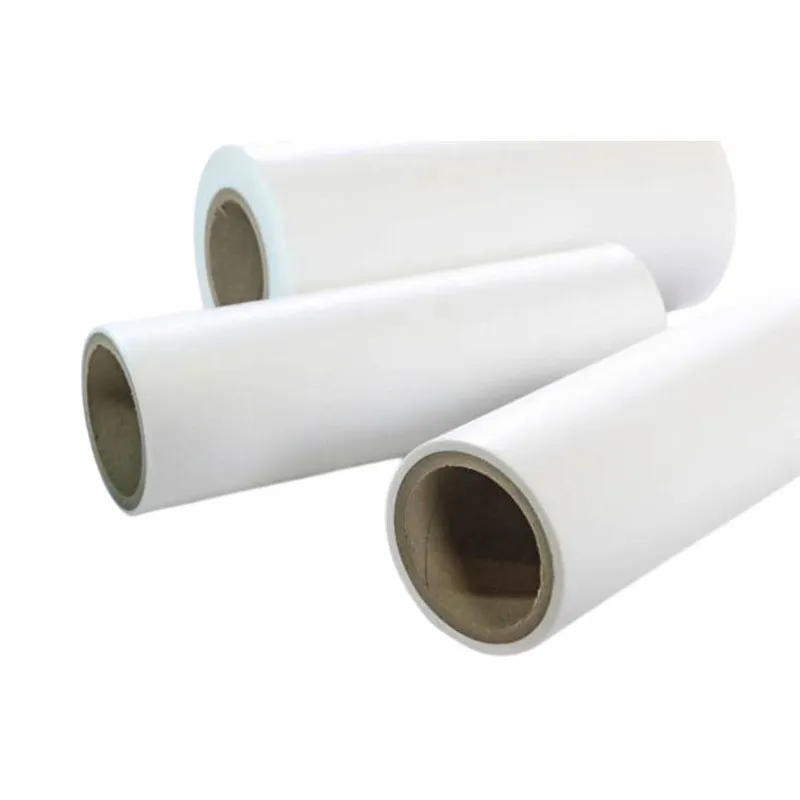

Food Processing Industry
In the food processing industry, PTFE conveyor belts are widely used. These belts are often exposed to vibration from the movement of food products and the operation of the conveyor system. By using high - quality PTFE conveyor belts and proper vibration - mitigation techniques, such as rubber isolators, the belts can operate smoothly for a long time, reducing downtime and maintenance costs.
Chemical Industry
In the chemical industry, PTFE - lined pipes are used to transport corrosive chemicals. Vibration from pumps and other equipment can pose a challenge. However, by selecting the right grade of PTFE and ensuring proper installation with vibration - damping materials, the pipes can maintain their integrity and prevent leaks.
Conclusion
In conclusion, PTFE's behavior under industrial vibration conditions is complex. While vibration can cause mechanical fatigue, wear and tear, and loosening of joints, there are ways to mitigate these effects. By understanding the factors influencing PTFE's response to vibration and taking appropriate measures, we can ensure that PTFE products perform well in industrial applications.
If you're in need of PTFE products for your industrial applications, whether it's PTFE Skived Film, PTFE Dragon Mesh Belt, or PTFE Conveyor Belt, feel free to reach out. We're here to help you select the right products and provide solutions to ensure they perform optimally under vibration and other conditions. Let's have a chat about your specific needs and see how we can assist you!
References
- "Handbook of Fluoropolymer Science and Technology" by Harry L. Resnick
- "Industrial Vibration Analysis and Testing" by John D. Randall


