


Hey there! As a supplier of PTFE Teflon Film, I've seen firsthand how this amazing material can make a huge difference in semiconductor production quality. In this blog, I'm gonna break down the ways PTFE Teflon Film impacts semiconductor manufacturing, and why it's a game - changer for the industry.
Understanding PTFE Teflon Film
First off, let's get to know what PTFE Teflon Film is. PTFE stands for Polytetrafluoroethylene, and it's a synthetic fluoropolymer of tetrafluoroethylene. You can check out more details about it on our website PTFE Teflon Film. This film is known for its outstanding chemical resistance, low friction coefficient, and excellent electrical insulation properties. It's like a superhero in the world of materials!
Impact on Semiconductor Production Quality
1. Electrical Insulation
One of the most critical aspects of semiconductor production is electrical insulation. Semiconductors deal with extremely high - precision electrical signals. Any unwanted electrical interference can lead to malfunctions or reduced performance of the final product. PTFE Teflon Film comes to the rescue here. Its high dielectric strength means it can effectively isolate electrical components within the semiconductor device.
For example, in integrated circuits (ICs), where multiple components are packed closely together, PTFE Teflon Film can be used as an insulating layer. This helps prevent short - circuits and cross - talk between different parts of the circuit. The result? A more reliable and stable semiconductor device with fewer electrical failures. You can also learn about related PTFE Film on our site for more insulation options.
2. Chemical Resistance
Semiconductor manufacturing involves a variety of chemical processes, such as etching, cleaning, and doping. These chemicals can be highly corrosive and reactive. PTFE Teflon Film has excellent chemical resistance, which means it can withstand exposure to a wide range of harsh chemicals without degrading.
During the etching process, for instance, where specific areas of the semiconductor wafer are removed to create circuit patterns, PTFE Teflon Film can be used as a protective mask. It ensures that only the desired areas are etched, while the rest of the wafer remains intact. This precision is crucial for the production of high - quality semiconductors with accurate circuit designs.
3. Low Friction
In semiconductor production, there are many moving parts and components. For example, robotic arms are used to handle wafers during different manufacturing steps. PTFE Teflon Film's low friction coefficient reduces the wear and tear on these moving parts.
When a robotic arm picks up and transfers a wafer, the low - friction surface of the PTFE Teflon Film coating on the arm's gripper allows for smooth and precise handling. This reduces the risk of damaging the delicate wafers, which can lead to defects in the final semiconductor product. Moreover, the reduced friction also means less energy is required to operate these moving parts, making the production process more efficient.
4. Temperature Resistance
Semiconductor manufacturing often involves high - temperature processes, such as annealing, where the semiconductor wafer is heated to high temperatures to improve its electrical properties. PTFE Teflon Film has a high melting point and can withstand extreme temperatures without losing its properties.
During the annealing process, PTFE Teflon Film can be used as a protective layer on the wafer or in the heating chamber. It ensures that the wafer is protected from any contaminants or unwanted reactions that could occur at high temperatures. This helps maintain the integrity of the semiconductor material and improves the overall quality of the final product.
5. Dust and Particle Resistance
Cleanliness is of utmost importance in semiconductor production. Even the smallest dust particle or impurity can cause defects in the semiconductor device. PTFE Teflon Film has a smooth surface that resists the adhesion of dust and particles.
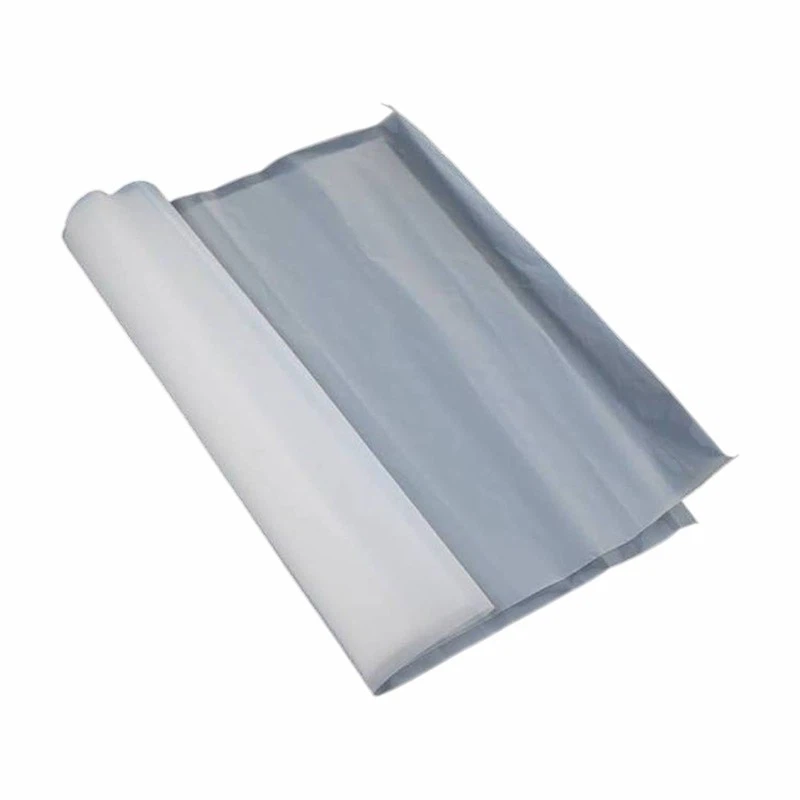

In cleanroom environments where semiconductor manufacturing takes place, PTFE Teflon Film can be used to line equipment and surfaces. This helps prevent dust and particles from settling on critical components, reducing the risk of contamination and improving the yield of high - quality semiconductors.
Other Applications in Semiconductor Production
Apart from the direct impact on production quality, PTFE Teflon Film also has other applications in semiconductor manufacturing. For example, PTFE Teflon Tube can be used for transporting chemicals within the production facility. These tubes are resistant to chemical corrosion and can ensure the safe and efficient transfer of chemicals to the appropriate processing stations.
Why Choose Our PTFE Teflon Film
As a supplier, we take pride in offering high - quality PTFE Teflon Film. Our film is manufactured using the latest technology and strict quality control measures. We ensure that each roll of film meets the highest standards of performance and reliability.
We also offer customization options. Whether you need a specific thickness, size, or surface finish, we can work with you to meet your exact requirements. Our team of experts is always ready to provide technical support and advice to help you get the most out of our PTFE Teflon Film in your semiconductor production process.
Let's Talk Business
If you're in the semiconductor production industry and looking to improve the quality of your products, I highly recommend considering our PTFE Teflon Film. We're here to help you find the best solution for your specific needs. Whether you have questions about the product, need a sample, or want to discuss a large - scale purchase, don't hesitate to reach out. We can have a detailed discussion about how our PTFE Teflon Film can fit into your production process and bring significant improvements to your semiconductor quality.
References
- Smith, J. (2020). "Advanced Materials in Semiconductor Manufacturing". Journal of Semiconductor Technology.
- Johnson, A. (2019). "The Role of Insulating Materials in Semiconductor Devices". Semiconductor Research Review.


