


Hey there! As a supplier of PTFE tube fittings, I've seen my fair share of questions about how to check the quality of these products. In this blog post, I'm gonna share some tips and tricks that'll help you make sure you're getting top - notch PTFE tube fittings.
1. Visual Inspection
The first step in checking the quality of PTFE tube fittings is a good old - fashioned visual inspection. You'd be surprised at how much you can tell just by looking closely.
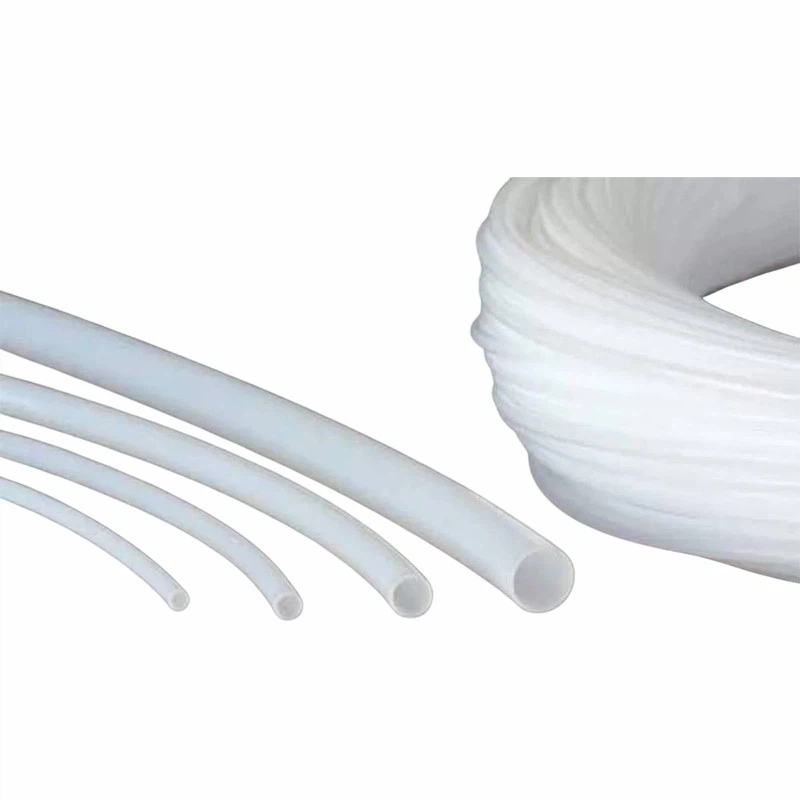

- Surface Finish: A high - quality PTFE tube fitting should have a smooth surface. Any rough spots, pits, or scratches can be a sign of poor manufacturing. These imperfections can not only affect the appearance but also the functionality of the fitting. For example, a scratch could potentially cause a leak over time.
- Color Consistency: PTFE tube fittings usually have a consistent color. If you notice any discoloration, it could be a sign of improper processing or exposure to harsh chemicals during manufacturing. A uniform white or off - white color is what you're looking for in most cases.
2. Dimensional Accuracy
Getting the right dimensions is crucial when it comes to PTFE tube fittings. Incorrect dimensions can lead to leaks, poor connections, and overall inefficiency.
- Inner and Outer Diameters: Use a caliper to measure the inner and outer diameters of the tube fitting. Compare these measurements with the specifications provided by the manufacturer. Even a small deviation can make a big difference in how well the fitting works. For instance, if the inner diameter is too small, it can restrict the flow of fluids or gases through the tube.
- Length and Threads: Measure the length of the fitting as well. If it has threads, check their pitch and diameter. The threads should be clean, sharp, and free from any damage or deformation. A damaged thread can prevent a proper seal when the fitting is connected to other components.
3. Material Quality
PTFE is known for its excellent chemical resistance, high - temperature tolerance, and low friction coefficient. But not all PTFE is created equal.
- Chemical Resistance: You can perform a simple chemical resistance test. Take a small sample of the PTFE material (if possible) and expose it to a common chemical that it might encounter in its intended application. For example, if the fitting will be used in a chemical processing plant, you could test it with a mild acid or base. If the material shows signs of swelling, discoloration, or degradation, it might not be of good quality.
- Temperature Resistance: Check the temperature rating of the PTFE tube fitting. High - quality PTFE can withstand a wide range of temperatures without losing its properties. You can use a heat gun to gradually increase the temperature of a small section of the fitting and observe how it behaves. If it starts to melt or deform at a lower temperature than the specified rating, there's a problem.
4. Pressure Testing
Pressure testing is an important step to ensure that the PTFE tube fitting can handle the pressure in its intended application.
- Hydrostatic Testing: Fill the fitting with water and gradually increase the pressure using a pressure pump. Monitor the fitting for any signs of leaks or deformation. Make sure to follow the safety guidelines and use appropriate pressure - rated equipment. If the fitting can withstand the expected pressure without any issues, it's a good sign of its quality.
- Gas Testing: For applications where gases are involved, you can perform a gas leak test. Use a gas detector to check for any leaks around the fitting when it's pressurized with gas. A small leak can be a major problem, especially in applications where the gas is flammable or toxic.
5. Compatibility Testing
PTFE tube fittings often need to be compatible with other materials in the system, such as metals, plastics, or rubber gaskets.
- Material Compatibility: Check the compatibility chart provided by the manufacturer. If possible, perform a compatibility test by bringing the PTFE fitting into contact with the other materials it will be used with. Look for any signs of corrosion, swelling, or chemical reactions over a period of time. For example, if the fitting is going to be connected to a metal pipe, make sure there's no galvanic corrosion between the PTFE and the metal.
- Sealing Compatibility: If the fitting uses gaskets or seals, make sure they are compatible with the PTFE material. A poor seal can lead to leaks and system failures. Test the sealing performance by assembling the fitting with the gasket and applying pressure.
6. Flexibility and Durability
PTFE tube fittings should have a certain degree of flexibility without being too brittle.
- Flexibility Test: Bend the fitting gently to see how it responds. It should be able to bend without cracking or breaking. However, it shouldn't be so flexible that it loses its shape easily. A good PTFE fitting should return to its original shape after being bent.
- Durability Test: You can simulate wear and tear by rubbing the fitting against a rough surface or subjecting it to repeated bending and straightening. A durable PTFE tube fitting should be able to withstand this kind of abuse without showing significant signs of damage.
Related Products
If you're interested in other PTFE - related products, we also offer PTFE Film and PTFE Film Adhesive Tape. These products have their own unique properties and applications. And of course, our PTFE Tube is another great option for various fluid and gas transfer applications.
Conclusion
Checking the quality of PTFE tube fittings is a multi - step process that involves visual inspection, dimensional accuracy checks, material quality assessment, pressure testing, compatibility testing, and evaluating flexibility and durability. By following these steps, you can ensure that you're getting high - quality PTFE tube fittings that will perform well in your applications.
If you're in the market for PTFE tube fittings or any of our related products, don't hesitate to reach out. We're here to help you find the right solutions for your needs. Whether you have specific requirements or just need some advice, we're happy to assist. Let's start a conversation about your procurement needs and see how we can work together to get you the best PTFE products on the market.
References
- "Handbook of PTFE Technology"
- "PTFE Applications in Industrial Processes"
- Manufacturer's product specifications and guidelines


