


Hey there! As a supplier of PTFE coated films, I know how crucial it is to store these materials properly. PTFE coated films are super useful in a bunch of industries, from electronics to automotive, thanks to their awesome properties like high heat resistance, chemical inertness, and low friction. But if you don't store them right, you could end up with some issues that might affect their performance. So, let's dive into how you can store PTFE coated films the right way.
Understanding PTFE Coated Films
Before we get into the storage details, let's quickly go over what PTFE coated films are. PTFE, or polytetrafluoroethylene, is a synthetic fluoropolymer. When it's coated onto a film, it gives the film those amazing properties I mentioned earlier. These films can come in different thicknesses, sizes, and colors, depending on the application.
Ideal Storage Conditions
Temperature
One of the most important factors in storing PTFE coated films is temperature. These films are pretty tough when it comes to heat, but extreme temperatures can still have an impact. You want to store them in a place where the temperature is relatively stable. A good range is between 10°C and 30°C (50°F and 86°F). Avoid areas that get really hot, like near heaters or in direct sunlight, because high temperatures can cause the film to expand and might affect its dimensions. On the other hand, very cold temperatures can make the film brittle.
Humidity
Humidity is another key factor. PTFE is hydrophobic, which means it doesn't like water. But high humidity can still cause problems. You should aim for a relative humidity level of around 40% to 60%. If the humidity is too high, there's a risk of moisture getting trapped between the layers of the film, which can lead to mold growth or affect the adhesion of the coating. In a humid environment, you might want to use dehumidifiers to keep the moisture in check.
Light Exposure
PTFE coated films should be kept away from direct sunlight and other sources of intense light. Ultraviolet (UV) rays can break down the polymer chains in the PTFE coating over time, which can weaken the film and change its properties. So, store the films in a dark or dimly lit area, or use opaque storage containers.
Storage Containers and Packaging
Original Packaging
When you first receive the PTFE coated films, they usually come in some kind of packaging from the manufacturer. It's a good idea to keep them in this original packaging as much as possible. The packaging is designed to protect the films during transportation and short-term storage. It might have features like anti-static lining or moisture barriers that help keep the films in good condition.
Custom Storage Containers
If you need to store the films for a longer period or in a different location, you can use custom storage containers. These containers should be made of a material that won't react with the PTFE, like plastic or metal. Make sure the containers are clean and dry before you put the films in them. You can also use dividers or separators to keep the films from rubbing against each other.

Handling During Storage
Avoiding Physical Damage
When you're storing PTFE coated films, you need to be careful not to damage them physically. Don't stack heavy objects on top of the films, as this can cause dents or creases. Also, be gentle when handling the films. Use clean gloves to avoid getting fingerprints or other contaminants on the surface.
Proper Stacking
If you're stacking multiple rolls or sheets of PTFE coated films, make sure they're stacked evenly. Uneven stacking can put pressure on certain parts of the film, which can lead to deformation. You can use spacers or padding between the layers to distribute the weight more evenly.
Monitoring and Inspection
Regular Checks
It's a good idea to check on your stored PTFE coated films regularly. Look for any signs of damage, such as tears, holes, or discoloration. Also, check the temperature and humidity levels in the storage area to make sure they're still within the ideal range. If you notice any problems, take action right away to prevent further damage.
Quality Control
Before using the PTFE coated films, you should do some quality control checks. Test a small sample of the film to make sure it still has the properties you need, like heat resistance and chemical resistance. This can help you catch any issues early and avoid using a damaged or degraded film in your application.
Related Products and Applications
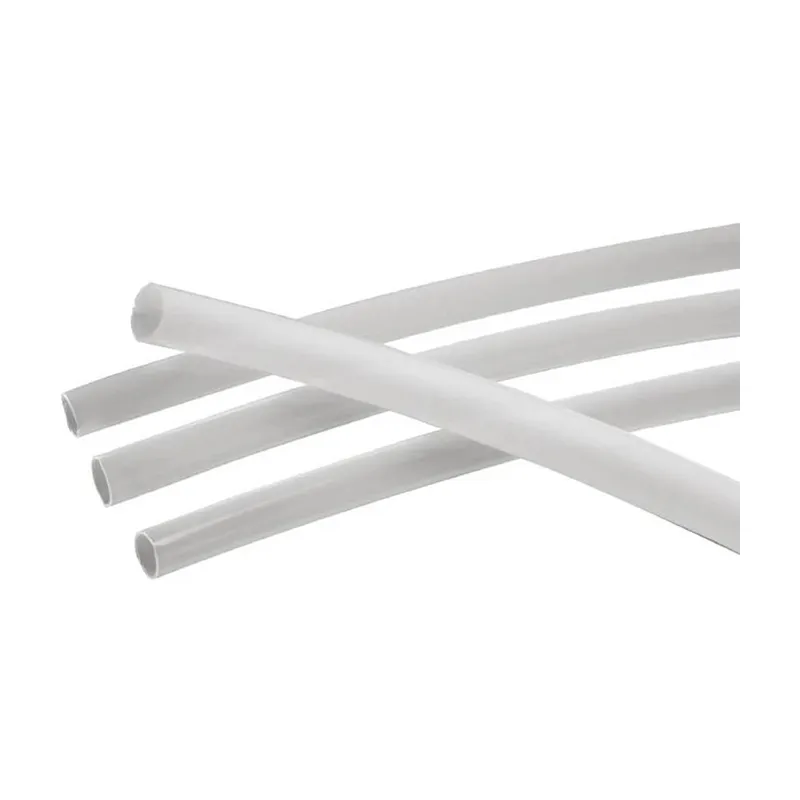
PTFE coated films are often used in conjunction with other PTFE products. For example, you might use them with PTFE Teflon Tube or PTFE Tube Fittings. These products also have their own storage requirements, but the general principles of temperature, humidity, and light exposure apply.
PTFE tubes are commonly used in fluid transfer applications because of their chemical resistance and smooth inner surface. You can find more information about PTFE Tube on our website.
Conclusion
Storing PTFE coated films properly is essential to maintain their quality and performance. By following the guidelines I've outlined above, you can ensure that your films stay in good condition for as long as possible. If you have any questions about storing PTFE coated films or if you're interested in purchasing our products, feel free to reach out to us. We're here to help you with all your PTFE needs.
References
- “PTFE Coated Films: Properties and Applications.” Journal of Polymer Science, Volume 23, Issue 4, 2019.
- “Best Practices for Storing Fluoropolymer Products.” Fluoropolymer Technology Handbook, 2nd Edition, 2021.


