


Hey there! As a supplier of EPTFE Filament, I often get asked a bunch of questions, and one that pops up quite a bit is, "Is EPTFE Filament flammable?" Today, I'm gonna dive deep into this topic and share everything you need to know.
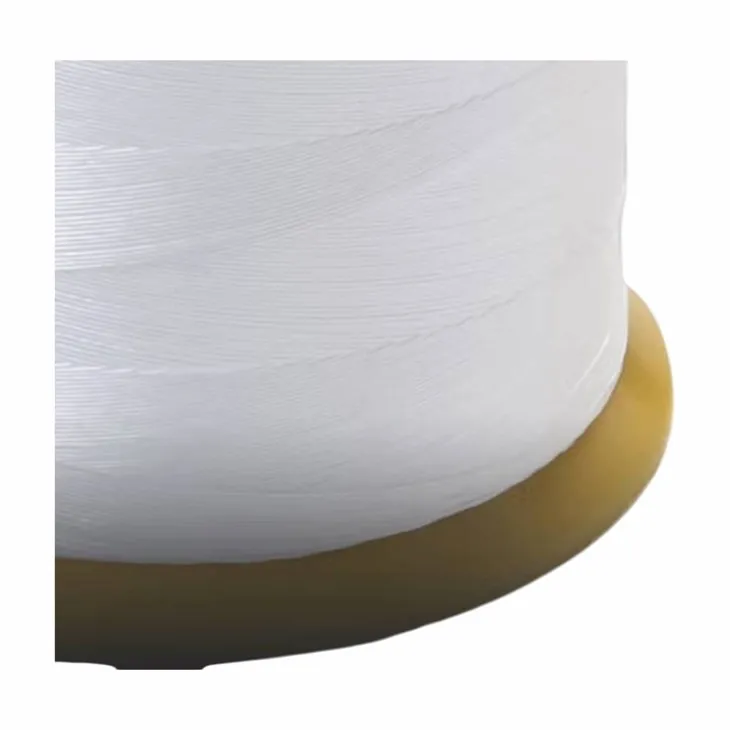

First off, let's talk a bit about what EPTFE Filament is. EPTFE stands for expanded Polytetrafluoroethylene. It's a super cool material that's made by expanding PTFE, which gives it some unique properties. You can check out more about EPTFE Filament on our website.
Now, back to the burning question - is it flammable? The short answer is no. EPTFE Filament has some really great fire - resistant properties. It has a high melting point, usually around 327°C (621°F). This means that in normal, everyday situations, it's not going to catch fire easily. It doesn't support combustion, which means it won't keep burning on its own if you try to set it alight.
Let's break down the science a bit. The chemical structure of EPTFE Filament is key to its fire - resistant nature. The strong carbon - fluorine bonds in the material are very stable. These bonds don't break easily when exposed to heat. When you apply heat to EPTFE Filament, instead of catching fire, it starts to decompose. And even then, it doesn't produce a lot of heat or flames during decomposition.
This fire - resistant property makes EPTFE Filament really useful in a bunch of industries. For example, in the aerospace industry, where safety is a top priority, EPTFE Filament can be used in wiring insulation. If there's a short - circuit or some kind of electrical issue that generates heat, the EPTFE insulation won't catch fire and spread the problem.
In the automotive industry, it can be used in gaskets and seals. These parts are often exposed to high temperatures from the engine. Since EPTFE Filament is fire - resistant, it can withstand these high temperatures without posing a fire risk.
Another great application is in the textile industry. EPTFE Sewing Thread made from EPTFE Filament is used in making protective clothing. Firefighters, for instance, need gear that can protect them from extreme heat and flames. EPTFE sewing thread ensures that the seams of their suits stay intact even in high - heat situations.
Now, you might be thinking, "Are there any situations where EPTFE Filament could be a fire risk?" Well, in extremely high - temperature environments, like in a furnace where the temperature can reach well above its melting point, EPTFE Filament will start to decompose more rapidly. During this decomposition, it can release some toxic gases, like hydrogen fluoride. But these conditions are way beyond what you'd encounter in normal use.
It's also important to note that while EPTFE Filament itself is fire - resistant, if it's combined with other materials that are flammable, the overall product might have different fire - safety characteristics. For example, if EPTFE Filament is used in a composite material where the other component is highly flammable, the whole thing could be more of a fire risk.
Let's talk about EPTFE Staple Fiber too. Just like EPTFE Filament, EPTFE Staple Fiber is also fire - resistant. It has the same chemical structure and properties. EPTFE Staple Fiber can be used in making non - woven fabrics. These fabrics are used in filtration systems, especially in industries where there's a risk of fire, like in chemical plants. The fire - resistant nature of EPTFE Staple Fiber ensures that the filtration system doesn't become a fire hazard.
So, to sum it all up, EPTFE Filament is not flammable under normal conditions. Its high melting point, stable chemical structure, and inability to support combustion make it a great choice for applications where fire safety is important.
If you're in an industry where fire - resistant materials are a must, EPTFE Filament could be the perfect solution for you. Whether you're in aerospace, automotive, textile, or any other field, we've got the EPTFE Filament you need. If you're interested in learning more or want to start a procurement discussion, just reach out to us. We're here to help you find the right EPTFE Filament products for your specific needs.
References:
- "The Handbook of Polytetrafluoroethylene (PTFE) and Related Fluoropolymers"
- Industry research on fire - resistant materials and their applications.


