


As a supplier of ePTFE yarn, I've encountered numerous inquiries regarding its suitability for knitting. ePTFE, or expanded polytetrafluoroethylene, is a remarkable material known for its unique properties. In this blog, I'll delve into the characteristics of ePTFE yarn and assess its viability for knitting applications.
Understanding ePTFE Yarn
ePTFE yarn is derived from ePTFE, a porous form of PTFE that has been expanded to create a microstructure with a high surface - area - to - volume ratio. This expansion process results in a material that is lightweight, flexible, and highly resistant to chemicals, heat, and moisture.
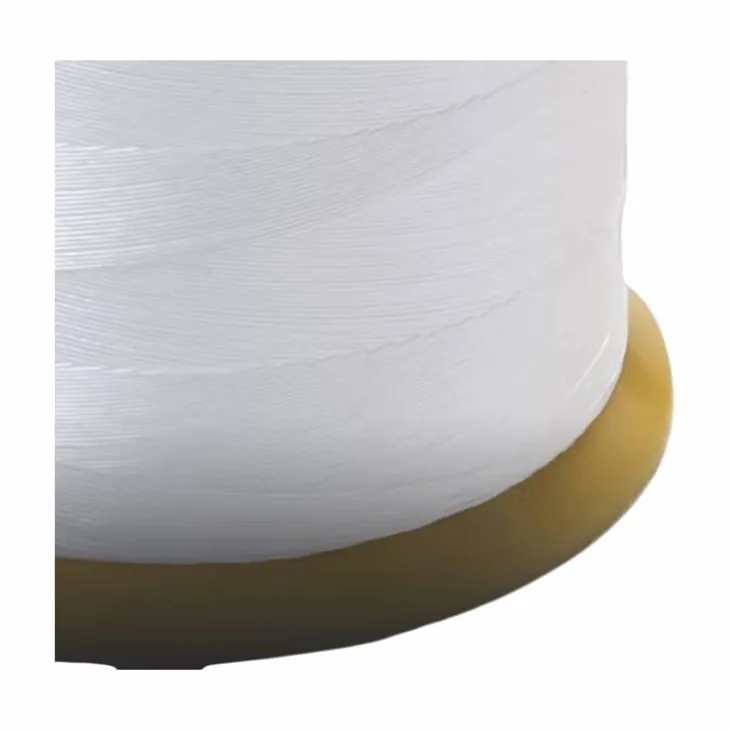
The production of ePTFE yarn involves several steps. First, PTFE resin is extruded into a film, which is then expanded into a porous structure. This expanded film is further processed into fibers, which can be spun into yarn. There are different types of ePTFE yarn available, such as EPTFE Staple Fiber, EPTFE Sewing Thread, and EPTFE Filament. Each type has its own unique characteristics and is suitable for different applications.
Advantages of Using ePTFE Yarn in Knitting
Chemical Resistance
One of the most significant advantages of ePTFE yarn is its exceptional chemical resistance. It can withstand exposure to a wide range of chemicals, including acids, bases, and solvents. This makes it an ideal choice for knitting applications in industries such as chemical processing, where the knitted products may come into contact with corrosive substances. For example, knitted gloves made from ePTFE yarn can provide protection to workers handling harsh chemicals.
Heat Resistance
ePTFE yarn has a high melting point and can withstand high temperatures without losing its physical properties. This heat resistance makes it suitable for knitting applications in high - temperature environments, such as in the aerospace and automotive industries. Knitted components made from ePTFE yarn can be used in engine compartments or other areas where heat resistance is crucial.
Moisture Resistance
ePTFE is hydrophobic, meaning it repels water. Yarn made from ePTFE can keep knitted products dry even in wet conditions. This property is beneficial for outdoor knitting projects, such as making waterproof clothing or tents. The moisture - resistant nature of ePTFE yarn also prevents the growth of mold and mildew, increasing the durability of the knitted items.
Low Friction
ePTFE has a very low coefficient of friction. This property makes ePTFE yarn easy to work with during the knitting process. The low friction allows the yarn to glide smoothly through the knitting needles or machines, reducing the likelihood of snags and breakages. It also results in a more uniform and professional - looking knitted fabric.
Challenges of Using ePTFE Yarn in Knitting
Cost
One of the main challenges of using ePTFE yarn in knitting is its relatively high cost. The production process of ePTFE is complex and requires specialized equipment, which drives up the price of the yarn. This can make it less accessible for hobbyist knitters or for large - scale knitting projects with tight budgets.
Limited Color Options
Currently, the color options for ePTFE yarn are somewhat limited. Most ePTFE yarns are available in natural white or beige colors. Dyeing ePTFE is a challenging process due to its chemical inertness. This can be a drawback for knitters who want to create colorful and visually appealing knitted products.
Handling and Knitting Techniques
ePTFE yarn has different handling characteristics compared to traditional knitting yarns such as wool or cotton. It is very slippery, which can make it a bit difficult to hold and manipulate during hand - knitting. In machine - knitting, special settings may be required to ensure proper tension and stitch formation.
Applications of Knitted ePTFE Products
Industrial Applications
In industrial settings, knitted ePTFE products are widely used. For example, knitted ePTFE gaskets are used in chemical plants and pipelines to provide a tight seal that can withstand high pressures and chemical exposure. Knitted ePTFE sleeves can be used to protect cables and wires from heat and abrasion in electrical and electronic industries.

Protective Clothing
Knitted ePTFE fabrics are used to make protective clothing for workers in various industries. The chemical and heat resistance of ePTFE yarn makes it suitable for creating flame - resistant suits, chemical - resistant aprons, and gloves. In addition, the moisture - resistant property is useful for outdoor workers who need to stay dry in all weather conditions.
Medical Applications
In the medical field, knitted ePTFE products are used in some specialized applications. For example, ePTFE knitted scaffolds can be used in tissue engineering. The porous structure of ePTFE allows cells to grow and attach, making it a potential material for creating artificial organs or repairing damaged tissues.
Conclusion
In conclusion, ePTFE yarn has both advantages and challenges when it comes to knitting. Its excellent chemical resistance, heat resistance, moisture resistance, and low friction make it a very attractive option for specific applications. However, the high cost, limited color options, and special handling requirements need to be considered.
If you are interested in exploring the potential of ePTFE yarn for your knitting projects, whether it's for industrial, protective, or medical applications, I encourage you to reach out for a procurement discussion. We can provide you with samples and detailed information about our ePTFE yarn products to help you make an informed decision.
References
- "The Handbook of Polytetrafluoroethylene (PTFE) and Related Fluoropolymers" by John Scheirs.
- Research papers on ePTFE applications in various industries published in scientific journals such as "Journal of Applied Polymer Science" and "Industrial & Engineering Chemistry Research".


