


Is PTFE tape resistant to salt water?
As a supplier of PTFE tape, I often encounter inquiries from customers about the tape's performance in various environments, especially its resistance to salt water. This is a crucial question, particularly for industries such as marine, offshore oil and gas, and coastal infrastructure, where exposure to salt water is a common challenge. In this blog post, I will delve into the science behind PTFE tape's resistance to salt water, explore its applications in salt - water environments, and provide some practical insights for potential buyers.
Understanding PTFE Tape
PTFE, or polytetrafluoroethylene, is a synthetic fluoropolymer of tetrafluoroethylene. It is well - known for its exceptional chemical resistance, high temperature tolerance, low friction coefficient, and non - stick properties. PTFE tape is made by stretching and processing PTFE resin into a thin, flexible tape.
The molecular structure of PTFE is what gives it its remarkable properties. The carbon - fluorine bonds in PTFE are extremely strong, and the fluorine atoms form a protective sheath around the carbon chain. This structure makes PTFE highly resistant to chemical attack, as most chemicals are unable to break these strong bonds.
PTFE Tape's Resistance to Salt Water
Salt water is a complex mixture of water and various salts, primarily sodium chloride. The presence of salts can accelerate corrosion and degradation of many materials. However, PTFE tape is highly resistant to salt water for several reasons.
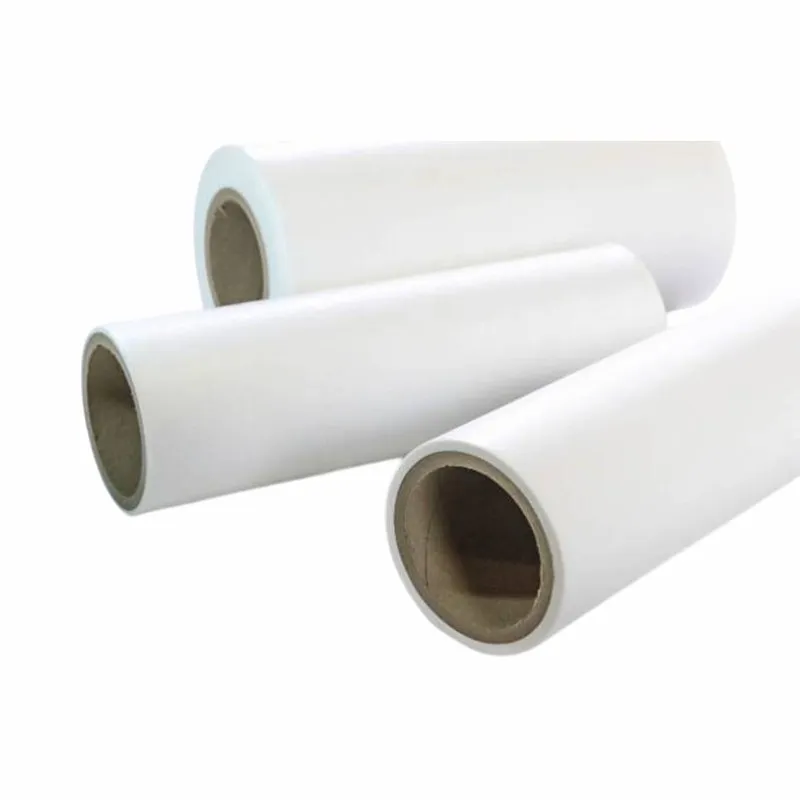

Firstly, PTFE is chemically inert. It does not react with the salts in salt water, so there is no chemical degradation of the tape due to the presence of these salts. This means that the tape can maintain its integrity and performance over long periods of exposure to salt water.
Secondly, PTFE has excellent hydrophobic properties. It repels water, preventing salt water from penetrating the tape and causing internal damage. This hydrophobicity also helps to prevent the build - up of salt deposits on the tape's surface, which could otherwise lead to abrasion or other forms of mechanical damage.
In addition, PTFE has a low surface energy. This means that salt water droplets tend to bead up on the surface of the tape rather than spreading out. As a result, the contact area between the salt water and the tape is minimized, reducing the potential for corrosion or other forms of interaction.
Applications in Salt - Water Environments
The resistance of PTFE tape to salt water makes it suitable for a wide range of applications in salt - water environments.
In the marine industry, PTFE tape is commonly used for sealing pipe joints on boats and ships. Salt water can cause corrosion of metal pipes and fittings, leading to leaks. By using PTFE tape to seal these joints, the tape acts as a barrier, preventing salt water from coming into contact with the metal and reducing the risk of corrosion and leaks.
Offshore oil and gas platforms also benefit from the use of PTFE tape. These platforms are constantly exposed to salt water, and the tape can be used to seal electrical connections, valves, and other components to protect them from the corrosive effects of salt water.
Coastal infrastructure, such as bridges and seawalls, may also use PTFE tape in construction and maintenance. For example, it can be used to seal expansion joints to prevent salt water from seeping in and causing damage to the structure over time.
Comparing with Other Materials
When considering materials for use in salt - water environments, it's important to compare PTFE tape with other options. Many traditional sealing materials, such as rubber gaskets, can degrade quickly in salt water. Rubber is susceptible to swelling, cracking, and chemical attack when exposed to salt water, which can lead to loss of sealing performance.
Metallic gaskets can also corrode in salt water, especially if they are not made from highly corrosion - resistant alloys. In contrast, PTFE tape offers long - term durability and reliable performance in salt - water environments without the risk of significant degradation.
Limitations and Considerations
While PTFE tape is highly resistant to salt water, there are some limitations and considerations to keep in mind.
One limitation is that PTFE tape has relatively low mechanical strength compared to some other materials. In applications where the tape is subject to high mechanical stress, such as high - pressure pipe joints, additional reinforcement or support may be required.
Another consideration is the installation process. Proper installation of PTFE tape is crucial to ensure its effectiveness. If the tape is not applied correctly, it may not form a proper seal, allowing salt water to penetrate and cause problems.
Related PTFE Products
In addition to PTFE tape, our company also offers a range of other high - quality PTFE products that may be suitable for salt - water applications. For example, PTFE Dragon Mesh Belt is a durable and flexible product that can be used in conveyor systems in marine or coastal industries. The PTFE coating on the mesh belt provides excellent resistance to salt water and other chemicals.
PTFE Skived Film is another product that can be used in various sealing and insulation applications in salt - water environments. It has similar chemical resistance properties to PTFE tape and can be customized to meet specific requirements.
PTFE High Temperature Cloth is also a great option for applications where high - temperature resistance and salt - water resistance are both required. It can be used for protective covers, insulation, and other purposes in coastal or marine settings.
Conclusion and Call to Action
In conclusion, PTFE tape is highly resistant to salt water due to its chemical inertness, hydrophobicity, and low surface energy. It is a reliable choice for a wide range of applications in salt - water environments, including the marine, offshore oil and gas, and coastal infrastructure industries.
If you are in need of PTFE tape or other PTFE products for your salt - water applications, we are here to help. Our team of experts can provide you with detailed product information, technical support, and assistance in selecting the right product for your specific needs. Contact us today to start a procurement discussion and find the best PTFE solutions for your projects.
References
- "Handbook of Fluoropolymer Science and Technology" by A. L. Andanson and J. M. S. Gladysz
- "Chemical Resistance of Polymers" by C. A. Dostal
- Industry reports on the use of PTFE in marine and coastal applications


