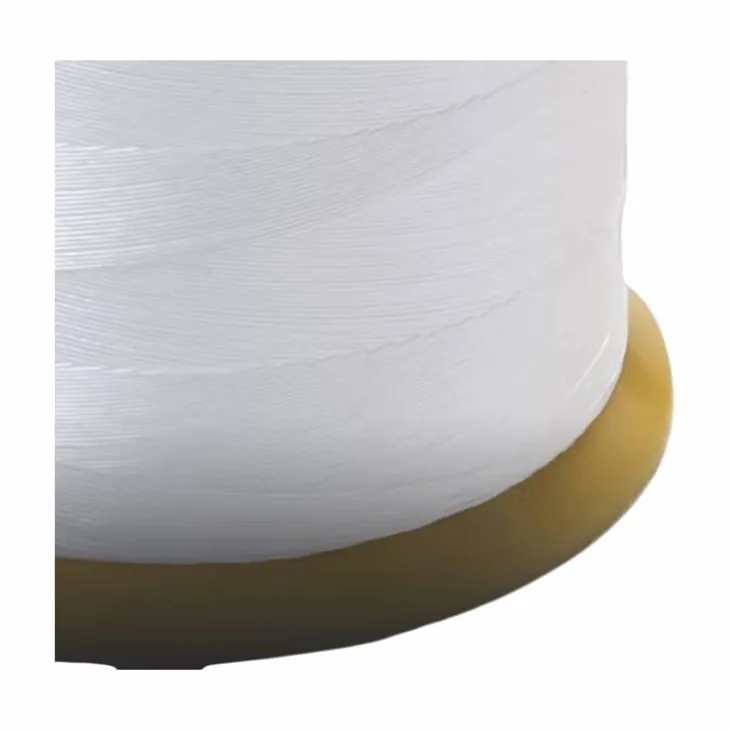
In the realm of advanced materials, filaments play a crucial role in various industries, from textiles to high - tech manufacturing. Among the numerous filaments available in the market, Expanded Polytetrafluoroethylene (EPTFE) Filament stands out as a superior choice, offering a plethora of advantages over other filaments. As a supplier of EPTFE Filament, I am excited to delve into these benefits and share why EPTFE Filament is the go - to option for many applications.
Chemical Resistance
One of the most significant advantages of EPTFE Filament is its exceptional chemical resistance. EPTFE is highly resistant to a wide range of chemicals, including acids, bases, solvents, and corrosive substances. Unlike many other filaments that may degrade or react when exposed to harsh chemicals, EPTFE Filament maintains its integrity.
For example, in the chemical processing industry, where equipment and components are constantly in contact with aggressive chemicals, using filaments that can withstand these substances is crucial. Traditional filaments such as nylon or polyester may start to break down or lose their mechanical properties when exposed to strong acids or alkalis. In contrast, EPTFE Filament remains stable, ensuring the longevity and reliability of the products made from it. This chemical resistance also makes EPTFE Filament suitable for use in laboratories, where it can be used in filtration systems or in the construction of equipment that comes into contact with various chemicals. [1]
Temperature Resistance
EPTFE Filament exhibits outstanding temperature resistance. It can operate effectively in a wide temperature range, from extremely low cryogenic temperatures to high temperatures. EPTFE can withstand temperatures as low as - 200°C and as high as 260°C without significant loss of its physical or mechanical properties.
In aerospace applications, where components are exposed to extreme temperature variations during flight, EPTFE Filament is an ideal choice. For instance, it can be used in the insulation of wires and cables, ensuring that they function properly even in the harsh environment of space. In the automotive industry, under - the - hood components often face high - temperature conditions. EPTFE Filament can be used in gaskets and seals, maintaining their shape and performance even at elevated temperatures, which is something that many other filaments struggle to achieve. [2]
Low Friction Coefficient
The low friction coefficient of EPTFE Filament is another remarkable advantage. This property makes it self - lubricating, reducing the need for additional lubricants in many applications. In mechanical systems, such as bearings or sliding components, using EPTFE Filament can significantly reduce wear and tear.
For example, in conveyor systems, the low friction of EPTFE Filament allows for smooth movement of materials, minimizing energy consumption and extending the lifespan of the conveyor belts. In textile applications, EPTFE Filament can be used in sewing threads. The low friction means that the thread glides easily through the fabric, reducing the stress on the fabric and the sewing machine. This results in a more efficient sewing process and a higher - quality finished product. You can find more information about EPTFE Sewing Thread on our website.
Non - Stick Properties
EPTFE Filament has excellent non - stick properties, similar to the well - known non - stick coating on cookware. This non - stick characteristic is beneficial in many industries. In the food processing industry, for example, equipment coated or made with EPTFE Filament can prevent food from sticking, making cleaning easier and reducing the risk of cross - contamination.
In the printing industry, EPTFE Filament can be used in printing rollers. The non - stick property ensures that ink is evenly distributed and does not stick to the rollers, resulting in a clearer and more precise print. This non - stick feature also makes EPTFE Filament suitable for use in molds, where it allows for easy removal of the molded products without leaving any residue.
High Tensile Strength
Despite its lightweight nature, EPTFE Filament has high tensile strength. This means that it can withstand significant pulling forces without breaking. In applications where strength is required, such as in the manufacture of ropes or cables, EPTFE Filament can provide reliable performance.
In marine applications, ropes made from EPTFE Filament can withstand the harsh conditions of the sea, including strong winds, waves, and saltwater corrosion. The high tensile strength ensures that the ropes do not break easily, providing safety and reliability. In the construction industry, EPTFE Filament can be used in the reinforcement of composite materials, adding strength and durability to the structures.
Biocompatibility
EPTFE Filament is biocompatible, which means it is non - toxic and does not cause adverse reactions when in contact with living tissues. This property makes it suitable for use in medical applications. It can be used in surgical sutures, as it does not cause irritation or inflammation in the body.
In addition, EPTFE Filament can be used in the manufacture of medical implants. Its biocompatibility ensures that the body accepts the implant, reducing the risk of rejection. The long - term stability of EPTFE Filament also makes it a reliable choice for medical devices that need to function inside the body for an extended period.
Comparison with Other Filaments
When compared to other filaments such as polyester, nylon, or carbon fiber, EPTFE Filament offers unique advantages. Polyester filaments are commonly used in textiles due to their low cost and good mechanical properties. However, they lack the chemical and temperature resistance of EPTFE Filament. Polyester may melt or degrade at high temperatures and can be affected by certain chemicals.
Nylon filaments are known for their toughness and abrasion resistance. But they are not as chemically resistant as EPTFE Filament and have a relatively lower temperature resistance. Nylon also absorbs moisture, which can affect its mechanical properties in humid environments.
Carbon fiber filaments are strong and lightweight, but they are brittle and can be difficult to process. EPTFE Filament, on the other hand, is more flexible and easier to work with in various manufacturing processes. You can explore our EPTFE Filament products to see the difference for yourself.
Environmental Resistance
EPTFE Filament is highly resistant to environmental factors such as UV radiation and moisture. In outdoor applications, such as in the construction of tents or outdoor furniture, EPTFE Filament can withstand long - term exposure to sunlight without fading or degrading.
The moisture resistance of EPTFE Filament is also significant. It does not absorb water, which prevents the growth of mold and mildew. This makes it suitable for use in damp or humid environments, such as in bathrooms or near water bodies.
Applications of EPTFE Filament
The unique properties of EPTFE Filament make it suitable for a wide range of applications. In addition to the industries mentioned above, it can be used in the electronics industry for insulation and shielding. In the energy sector, it can be used in the construction of pipelines and seals for oil and gas equipment.
In the textile industry, apart from sewing threads, EPTFE Filament can be used in the production of high - performance fabrics. These fabrics can be used in protective clothing, such as fire - resistant suits or chemical - resistant overalls. For more details about our EPTFE Staple Fiber, which is also a great product in our EPTFE range, visit our website.
Conclusion
In conclusion, EPTFE Filament offers a multitude of advantages over other filaments. Its chemical resistance, temperature resistance, low friction coefficient, non - stick properties, high tensile strength, biocompatibility, and environmental resistance make it a versatile and reliable choice for various industries. Whether you are in the aerospace, automotive, medical, textile, or any other industry, EPTFE Filament can provide solutions that meet your specific needs.
If you are interested in learning more about our EPTFE Filament products or have any questions regarding their applications, we invite you to contact us for procurement and further discussions. Our team of experts is ready to assist you in finding the best EPTFE Filament solutions for your business.
References
[1] "Chemical Resistance of Polymers", Polymer Science Handbook, 3rd Edition.
[2] "Temperature - Dependent Properties of Engineering Polymers", Journal of Engineering Materials and Technology, Vol. 125, No. 3.