


Hey there! As a supplier in the PTFE industrial realm, I've seen firsthand the amazing wear - resistance characteristics of PTFE in industrial machinery. So, let's dig into what makes PTFE such a star player when it comes to standing up against wear and tear in the industrial world.
The Basics of PTFE
PTFE, or polytetrafluoroethylene, is a synthetic fluoropolymer of tetrafluoroethylene. You might know it by the brand name Teflon. It's got some pretty unique properties that make it a go - to material for many industrial applications. One of the most notable is its low coefficient of friction. This means that when two surfaces are in contact and one of them is made of PTFE, there's less resistance to movement between those surfaces.
Imagine a conveyor belt in a factory. If the belt's components are made with PTFE, it can move smoothly over its rollers. This smooth movement reduces the amount of abrasion that would normally occur between the belt and the rollers. With less abrasion, there's less wear on both the belt and the rollers, which means they'll last longer.
Wear - Resistance Mechanisms
There are a few key ways that PTFE shows its wear - resistance in industrial machinery.
Self - Lubrication
PTFE has this awesome self - lubricating property. It can form a thin, slippery film on its surface. This film acts as a barrier between the PTFE and the other surface it's in contact with. For example, in a piston - cylinder system in a hydraulic press, the PTFE - coated piston can move up and down inside the cylinder with minimal friction. The self - lubricating film reduces the chances of metal - to - metal contact, which can cause significant wear.
Chemical Inertness
PTFE is highly resistant to chemicals. In industrial settings, machinery often comes into contact with all sorts of harsh chemicals, like acids, bases, and solvents. If a part is made of PTFE, it won't react with these chemicals. This is crucial because chemical reactions can weaken materials and lead to accelerated wear.
Let's say you have a chemical processing plant. The pipes that carry corrosive chemicals need to be made of a material that can withstand the chemical attack. PTFE pipes are a great choice because they won't corrode or degrade when in contact with these chemicals, ensuring long - term use without excessive wear.
High Melting Point
PTFE has a relatively high melting point, around 327°C (621°F). In industrial machinery, there can be a lot of heat generated due to friction and mechanical work. If a material has a low melting point, it can start to deform or melt under high - temperature conditions, leading to rapid wear.
For instance, in a high - speed rotating machine, the parts can get very hot. PTFE components can handle these high temperatures without losing their shape or integrity, which helps maintain their wear - resistance over time.
Applications in Industrial Machinery
Bearings
PTFE is often used in bearings. Bearings are crucial components in machinery as they support rotating shafts and reduce friction. PTFE - lined bearings can provide smooth operation with less wear compared to traditional bearings. The low friction of PTFE means that the shaft can rotate more freely, and there's less heat generated, which further reduces wear.
Seals
Seals are used to prevent the leakage of fluids or gases in machinery. PTFE seals are highly effective because of their wear - resistance and chemical inertness. They can withstand the pressure and movement inside the machinery without deforming or wearing out quickly. For example, in a pump that handles aggressive chemicals, a PTFE seal can ensure that the chemicals don't leak out, while also lasting a long time.
Gaskets
Gaskets are used to create a tight seal between two mating surfaces. PTFE gaskets are great for high - pressure and high - temperature applications. They can conform to the shape of the surfaces they're sealing, and their wear - resistance ensures that they maintain a good seal over time.
Our PTFE Products
As a PTFE industrial supplier, we offer a range of high - quality PTFE products that showcase these wear - resistance characteristics.
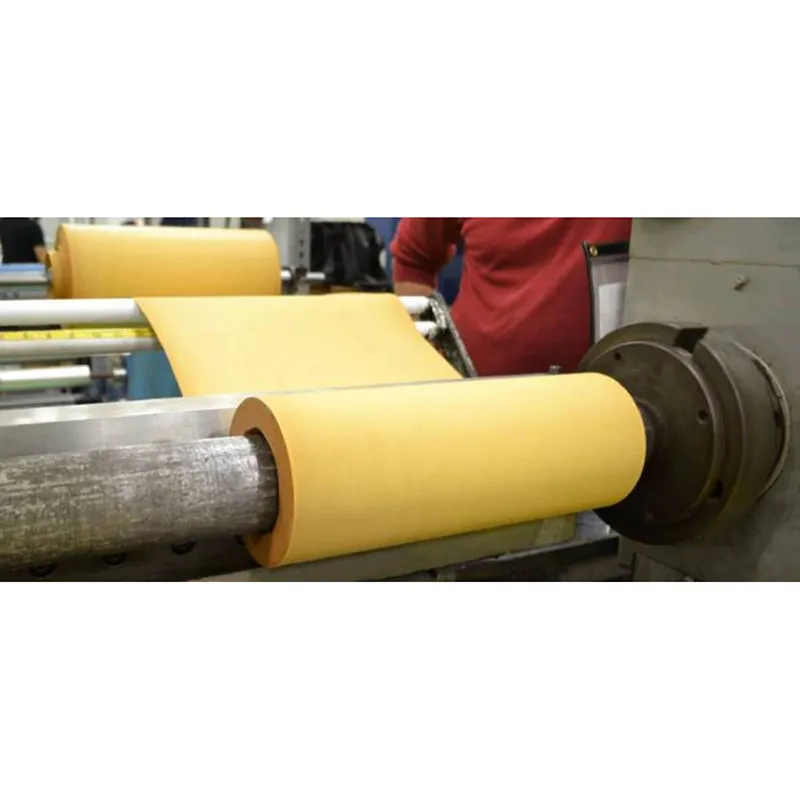
We have PTFE Skived Film. This film is incredibly thin and can be used in a variety of applications, like lining surfaces to reduce friction and wear. It's also very flexible, making it easy to apply to different shapes and sizes of machinery parts.
Our PTFE High Temperature Cloth is another great product. It can withstand high temperatures and is often used in applications where heat resistance and wear - resistance are both important, such as in ovens or heat - treating equipment.
And then there's our PTFE Dragon Mesh Belt. This belt is strong and flexible, with excellent wear - resistance. It's commonly used in conveyor systems, where it can transport heavy loads without wearing out quickly.

Why Choose Our PTFE Products
When you choose our PTFE products for your industrial machinery, you're getting a material that's been tested and proven to have outstanding wear - resistance. Our manufacturing process ensures that each product meets the highest quality standards.
We also offer great customer service. If you have any questions about which PTFE product is right for your specific application, our team of experts is here to help. We can provide technical support and advice to make sure you get the most out of our products.
Contact Us for Procurement
If you're interested in improving the wear - resistance of your industrial machinery, we'd love to talk to you. Whether you're looking for a specific PTFE product or need help customizing a solution for your machinery, we're here to assist. Reach out to us, and let's start a conversation about how our PTFE products can benefit your business.
References
- "Handbook of Fluoropolymer Science and Technology" by Harry L. Resnick
- "Industrial Applications of Polymers" by various authors
- Technical literature from PTFE manufacturers and industry associations


