


Hey there! As a supplier of PTFE Bellows, I often get asked about the compression strength of these nifty components. So, I thought I'd sit down and write this blog to share everything I know about it.
First off, let's talk a bit about what PTFE Bellows are. PTFE, or polytetrafluoroethylene, is a synthetic fluoropolymer known for its outstanding chemical resistance, low friction coefficient, and high temperature tolerance. PTFE Bellows are flexible, accordion - like structures made from PTFE. They're used in a wide range of applications, from industrial machinery to aerospace equipment, because of their ability to absorb vibrations, compensate for misalignments, and handle fluid transfer.
Now, to the main question: what is the compression strength of PTFE Bellows? Compression strength refers to the maximum amount of compressive stress a material can withstand before it fails or deforms permanently. For PTFE Bellows, this value can vary depending on several factors.
One of the key factors is the thickness of the PTFE material used. Thicker PTFE walls generally result in higher compression strength. When we manufacture PTFE Bellows, we can adjust the wall thickness according to the specific requirements of the application. A thicker wall can resist more force without collapsing, but it may also reduce the flexibility of the bellows. So, it's a bit of a balancing act.
The design of the bellows also plays a huge role. The shape, pitch, and number of convolutions in the bellows affect how it distributes the compressive load. A well - designed bellows with evenly spaced convolutions can distribute the stress more uniformly, increasing its overall compression strength. For example, a bellows with a more rounded convolution shape might be able to handle compression better than one with a sharp - edged design.
Another factor is the quality of the PTFE resin. Not all PTFE is created equal. High - quality PTFE resins have better mechanical properties, which translate to higher compression strength. At our company, we source the best PTFE resins on the market to ensure that our PTFE Bellows have top - notch performance.
To give you a rough idea of the compression strength values, typical PTFE Bellows can have a compression strength ranging from a few hundred pounds per square inch (psi) to over a thousand psi. However, this is a very general range, and the actual value for a specific bellows will depend on the factors we just discussed.
In some applications, such as in hydraulic systems, the PTFE Bellows need to withstand high pressures. In these cases, we often use special manufacturing techniques to enhance the compression strength. For example, we might reinforce the bellows with additional layers of PTFE or use a composite material.
It's also important to note that the compression strength can be affected by the environment in which the bellows are used. High temperatures can reduce the compression strength of PTFE, as the material becomes more ductile. On the other hand, extremely cold temperatures can make the PTFE more brittle, which may also impact its ability to handle compression.
Now, let's talk about how the compression strength of PTFE Bellows compares to other materials. PTFE has some unique advantages. Unlike rubber bellows, PTFE Bellows have excellent chemical resistance, which means they can be used in harsh chemical environments without degrading. And compared to metal bellows, PTFE Bellows are lighter and have a lower coefficient of friction. However, in terms of pure compression strength, metal bellows may be able to withstand higher loads in some cases. But when you consider the overall performance in a specific application, PTFE Bellows often come out on top.
If you're using PTFE Bellows in your application, it's crucial to test the compression strength under the actual operating conditions. This will give you a more accurate understanding of how the bellows will perform. You can do this by working with a testing laboratory or by using in - house testing equipment.
At our company, we offer a wide range of PTFE Bellows with different compression strengths to meet the diverse needs of our customers. Whether you need a bellows for a low - pressure application or a high - pressure one, we've got you covered. We also offer customization services, so if you have specific requirements for the compression strength, shape, or size of the bellows, we can work with you to create a solution that fits your needs.
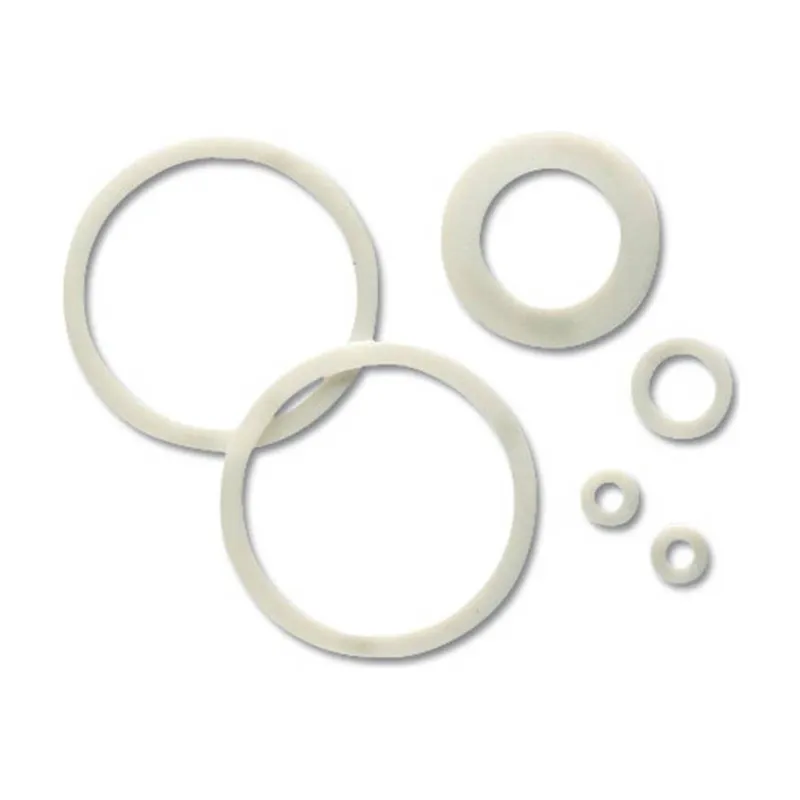

In addition to PTFE Bellows, we also supply other PTFE - based products like PTFE Sleeves and PTFE Seals. These products also benefit from the unique properties of PTFE, such as chemical resistance and low friction.
If you're in the market for PTFE Bellows or any of our other PTFE products, I encourage you to get in touch with us. We'd love to have a chat about your specific requirements and see how we can help you find the perfect solution. Whether you're a small - scale manufacturer or a large - scale industrial operation, we're here to support you.
In conclusion, the compression strength of PTFE Bellows is a complex but important aspect to consider when using these components. By understanding the factors that affect compression strength and working with a reliable supplier, you can ensure that your PTFE Bellows perform optimally in your application. So, don't hesitate to reach out if you have any questions or need more information.
References
- "Handbook of PTFE Technology"
- "Advanced Materials for Industrial Applications"
- Industry research reports on PTFE products


