


Aging is an inevitable process that affects various materials over time, and PTFE (Polytetrafluoroethylene), commonly known as Teflon, is no exception. As a leading supplier of PTFE Teflon Tube, I have witnessed firsthand the impact of aging on these products. In this blog post, I will delve into the effects of aging on PTFE Teflon Tube, exploring the changes in its physical, chemical, and mechanical properties.

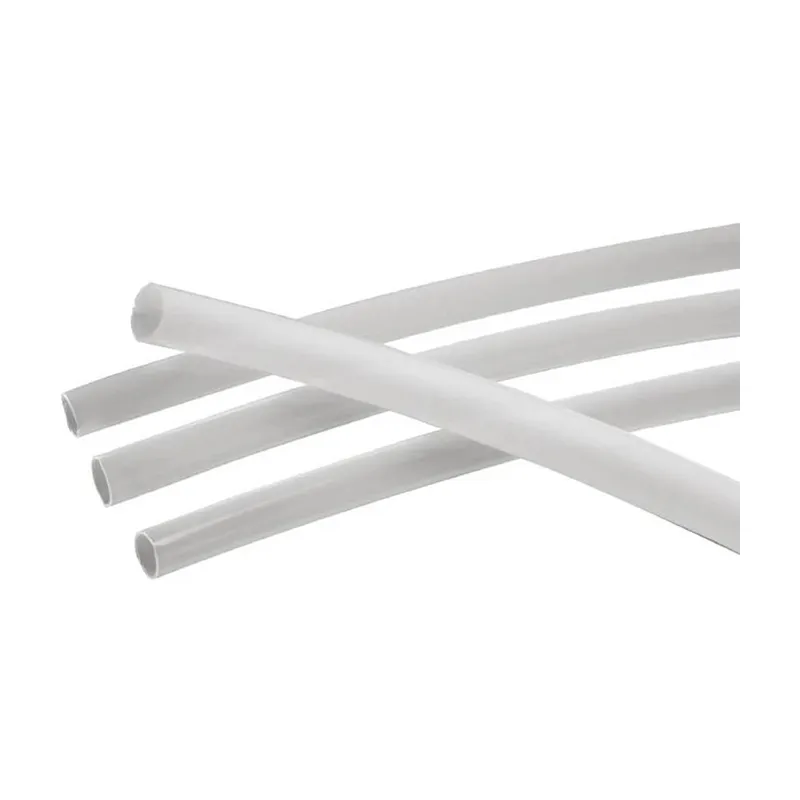
Physical Changes
One of the most noticeable physical changes in aged PTFE Teflon Tube is discoloration. Over time, exposure to environmental factors such as sunlight, heat, and chemicals can cause the tube to turn yellow or brown. This discoloration is primarily due to the degradation of the polymer chains in the PTFE material. Ultraviolet (UV) radiation from sunlight can break the carbon - fluorine bonds in PTFE, leading to the formation of free radicals. These free radicals can react with oxygen and other substances in the environment, resulting in the formation of colored compounds.
Another physical change is surface roughness. As PTFE ages, the surface of the tube may become rougher. This can be attributed to the loss of small particles from the surface due to abrasion, chemical attack, or mechanical stress. A rough surface can have several implications. For example, in applications where the tube is used for fluid transfer, a rough surface can increase the friction coefficient, leading to higher pressure drops and reduced flow rates.
Chemical Changes
Chemically, aging can lead to the degradation of PTFE. PTFE is known for its excellent chemical resistance, but over time, it can still be affected by certain chemicals and environmental conditions. Oxidation is one of the main chemical reactions that occur during aging. When PTFE is exposed to oxygen at high temperatures, the carbon - fluorine bonds can break, and oxygen can react with the polymer chains to form carbonyl groups and other oxidation products.
Hydrolysis can also occur, especially in the presence of water and certain catalysts. Hydrolysis can break the polymer chains, reducing the molecular weight of the PTFE and weakening its mechanical properties. Additionally, exposure to strong acids, bases, or solvents over an extended period can cause chemical degradation of the PTFE tube.
Mechanical Changes
The mechanical properties of PTFE Teflon Tube can be significantly affected by aging. One of the most important mechanical properties is tensile strength. As PTFE ages, its tensile strength typically decreases. This is because the degradation of the polymer chains reduces the ability of the material to withstand pulling forces. The elongation at break, which measures the ability of the material to stretch before breaking, also tends to decrease with aging.
Flexural strength and impact resistance are also affected. Aged PTFE tubes may become more brittle, making them more prone to cracking and breaking under bending or impact loads. This can be a major concern in applications where the tube is subjected to mechanical stress, such as in automotive or aerospace systems.
Impact on Performance
The changes in physical, chemical, and mechanical properties due to aging can have a profound impact on the performance of PTFE Teflon Tube. In fluid transfer applications, the increase in surface roughness and the decrease in mechanical properties can lead to leaks, reduced flow rates, and increased maintenance requirements. For example, a tube with a weakened wall due to aging may burst under high pressure, causing fluid spills and potential safety hazards.
In electrical applications, the degradation of PTFE can affect its dielectric properties. PTFE is widely used as an insulator in electrical cables and connectors because of its excellent dielectric strength. However, aging - induced changes such as oxidation and the formation of polar groups can reduce the dielectric strength, increasing the risk of electrical breakdown.
Mitigation Strategies
To mitigate the effects of aging on PTFE Teflon Tube, several strategies can be employed. One approach is to use additives during the manufacturing process. UV stabilizers can be added to protect the PTFE from the harmful effects of sunlight. Antioxidants can be incorporated to prevent oxidation, and hydrolysis inhibitors can be used to reduce the risk of hydrolysis.
Proper storage and handling are also crucial. PTFE tubes should be stored in a cool, dry place away from direct sunlight and sources of heat. When installing the tubes, care should be taken to avoid excessive bending, stretching, or abrasion, which can accelerate the aging process.
Regular inspection and maintenance can help detect signs of aging early. Visual inspection can identify discoloration, surface roughness, and cracks. Non - destructive testing methods such as ultrasonic testing can be used to detect internal damage in the tube.
Applications and Considerations
PTFE Teflon Tube has a wide range of applications in various industries. In the chemical industry, it is used for transporting corrosive chemicals due to its excellent chemical resistance. However, as discussed above, aging can reduce this resistance, so it is important to monitor the condition of the tubes regularly.
In the food and beverage industry, PTFE tubes are used for fluid transfer because of their non - toxic and low - friction properties. Aging - induced changes in surface roughness and mechanical properties can pose a risk to product quality and safety. Therefore, strict quality control and replacement schedules should be implemented.
In the medical field, PTFE tubes are used in applications such as catheters and surgical instruments. The aging of these tubes can affect their performance and biocompatibility. Regular testing and replacement are necessary to ensure patient safety.
Our Products and Offerings
As a PTFE Teflon Tube supplier, we offer a wide range of high - quality PTFE products, including PTFE Film Adhesive Tape, PTFE Rod, and PTFE Tube. Our products are manufactured using advanced processes and high - grade raw materials to ensure excellent performance and durability. We also provide technical support to help our customers select the right products for their specific applications and to address any concerns related to aging and product performance.
Conclusion
Aging has a significant impact on PTFE Teflon Tube, affecting its physical, chemical, and mechanical properties. These changes can have implications for the performance and reliability of the tube in various applications. However, by understanding the aging mechanisms and implementing appropriate mitigation strategies, the negative effects of aging can be minimized.
If you are in need of high - quality PTFE Teflon Tube or other PTFE products, we invite you to contact us for a detailed discussion about your requirements. Our team of experts is ready to assist you in finding the best solutions for your applications.
References
- "Handbook of Polytetrafluoroethylene (PTFE) and Related Fluoropolymers" by L. A. Wall.
- "Polymer Degradation and Stability" journal articles on PTFE aging studies.
- Industry standards and guidelines related to PTFE applications and performance.


