


When it comes to advanced materials in industrial and consumer applications, eptfe yarn has been making quite a splash. As a reputable eptfe yarn supplier, I'm often peppered with questions about the material. One of the most frequently asked questions is: "What is the full - form of eptfe yarn?"
Decoding EPTFE
EPTFE stands for Expanded Polytetrafluoroethylene. To understand what this means, let's break it down step by step.
Polytetrafluoroethylene (PTFE)
PTFE is a synthetic fluoropolymer of tetrafluoroethylene. It was accidentally discovered by Roy Plunkett in 1938 at DuPont. Known by its brand name, Teflon, PTFE has unique properties that make it invaluable in a wide range of industries. It is highly resistant to chemicals, capable of withstanding a wide temperature range from -200°C to +260°C, and has an extremely low coefficient of friction, which is why it's commonly used in non - stick cookware.
Expanded Polytetrafluoroethylene (EPTFE)
The "expanded" part in EPTFE signifies a special manufacturing process. PTFE is expanded through a mechanical stretching process, which results in a microporous structure. This structure gives EPTFE even more enhanced properties compared to standard PTFE. The expansion process creates a network of microscopic pores, allowing the material to be more breathable while still maintaining its chemical resistance and low - friction characteristics.
Properties and Advantages of EPTFE Yarn
As a supplier of eptfe yarn, I'm well - versed in its outstanding properties, which are the result of the EPTFE material.
Chemical Resistance
EPTFE yarn is highly resistant to a wide variety of chemicals, including acids, alkalis, and solvents. This makes it ideal for use in chemical processing plants, where yarns are often exposed to harsh chemical environments. For example, in the production of chemical filtration systems, eptfe yarn can be used to make filter fabrics that can withstand corrosive chemicals without degrading.
Temperature Resistance
With its ability to perform in extreme temperature conditions, eptfe yarn is suitable for applications in both high - and low - temperature environments. In high - temperature industries such as aerospace and automotive, the yarn can be used in insulation materials. In cryogenic applications, it maintains its integrity even at extremely low temperatures.
Low Friction
The low coefficient of friction of eptfe yarn makes it excellent for applications where reduced friction is crucial. This is often seen in the manufacturing of bearings and belts, where low friction helps to reduce wear and tear, improving the overall lifespan of the components.
Water Resistance
The microporous structure of EPTFE makes eptfe yarn water - resistant. It can repel water while still allowing air to pass through, which is beneficial for outdoor clothing and protective gear. This property also makes the yarn suitable for use in marine applications, where it can resist the corrosive effects of saltwater.

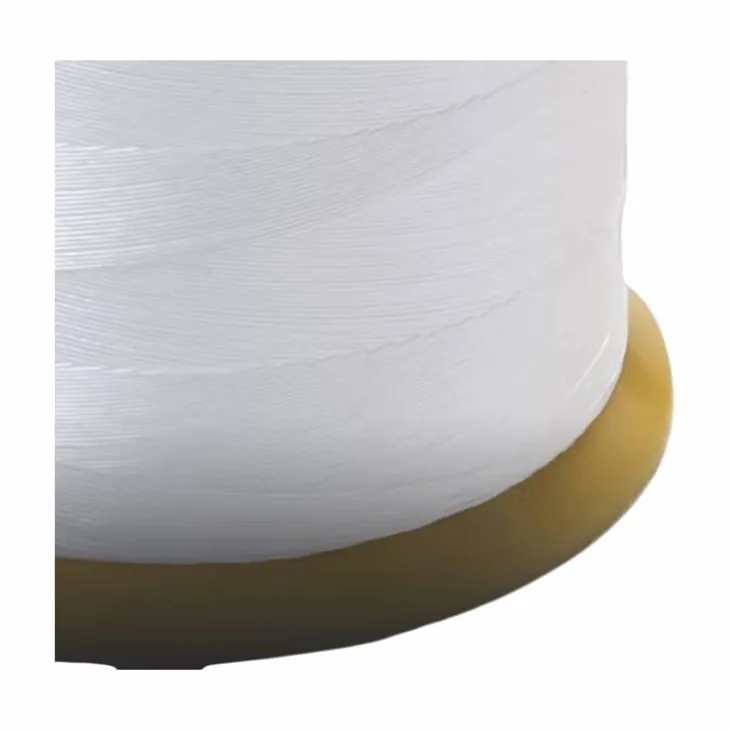
Applications of EPTFE Yarn
The unique properties of eptfe yarn open up a vast array of applications across different industries.
Textile Industry
In the textile industry, eptfe yarn is used to create high - performance fabrics. EPTFE Sewing Thread is particularly popular for sewing outdoor clothing, such as waterproof jackets and tents. The thread's high strength and water - resistance ensure that the seams of these garments remain intact and waterproof.
Aerospace and Aviation
The aerospace industry demands materials that can withstand extreme conditions. Eptfe yarn is used in aircraft wiring insulation, where its temperature and chemical resistance are crucial. The low friction property also makes it easier to install wiring, reducing the risk of damage during installation.
Filtration
Filtration systems rely on materials that can effectively trap particles while maintaining high flow rates. EPTFE Filament is often used in air and liquid filtration applications. The microporous structure of EPTFE allows for efficient filtration of fine particles without sacrificing the flow of the fluid.
Medical Industry
In the medical field, EPTFE Staple Fiber is used in surgical sutures due to its biocompatibility and strength. The chemical resistance also means that the sutures are less likely to cause adverse reactions in the body.
As a Supplier: Our Quality and Service
As an eptfe yarn supplier, we are committed to providing high - quality products. We use advanced manufacturing processes to ensure that our eptfe yarn meets the highest standards in terms of chemical composition, structure, and physical properties.
Our production facilities are equipped with state - of - the - art technology, which allows us to control every aspect of the manufacturing process. From the selection of raw materials to the final inspection of the finished product, we maintain strict quality control measures.
We understand that different customers have different needs. That's why we offer a wide range of eptfe yarn products, including various thicknesses, lengths, and colors. Whether you're in the textile, aerospace, filtration, or medical industry, we can provide you with the right eptfe yarn for your specific application.
In addition to our high - quality products, we also provide excellent customer service. Our team of experts is always ready to answer your questions, offer technical support, and help you choose the most suitable eptfe yarn for your project.
Contact Us for Procurement
If you're in the market for eptfe yarn, we invite you to get in touch with us. Our team looks forward to discussing your requirements and providing you with a customized solution. We believe that our high - quality eptfe yarn products, combined with our excellent service, will meet your expectations and contribute to the success of your projects. Reach out to us today to start a fruitful business partnership.
References
- "Polytetrafluoroethylene (PTFE) - History and Applications." Journal of Advanced Materials Research. Volume 23, Issue 1, 2018.
- "Expanded Polytetrafluoroethylene (EPTFE): Properties and Industrial Use." Industrial Materials Science Review. Volume 15, Issue 3, 2020.
- "EPTFE Yarn: A Key Material in Modern Industry." Textile and Fiber Technology. Volume 40, Issue 2, 2019.


