


What is the moisture absorption rate of PTFE Film?
As a supplier of PTFE film, I am often asked about the moisture absorption rate of this remarkable material. PTFE, or polytetrafluoroethylene, is a synthetic fluoropolymer with a wide range of applications, from industrial uses to consumer products. One of its most notable properties is its extremely low moisture absorption rate, which makes it highly resistant to water and other liquids.
Understanding Polytetrafluoroethylene
PTFE film is made from a polymer of tetrafluoroethylene monomers. It is known for its high chemical resistance, excellent dielectric properties, and a wide temperature range of operation. The unique molecular structure of PTFE, where carbon atoms are fully surrounded by fluorine atoms, creates a dense and non - reactive surface. This structure is the key to many of its properties, including its low moisture absorption.
Moisture Absorption Rate of PTFE Film
The moisture absorption rate of PTFE film is incredibly low. In fact, it is one of the lowest among all polymers. Typically, PTFE film has a moisture absorption rate of less than 0.01% by weight when immersed in water for 24 hours at room temperature. This near - zero absorption rate is due to the hydrophobic nature of the PTFE material. The fluorine atoms on the surface of the polymer repel water molecules, preventing them from being absorbed into the material.
This low moisture absorption has several important implications for its use in various applications. For example, in electrical applications, moisture can cause corrosion, short - circuits, and a decrease in dielectric strength. Since PTFE film absorbs almost no moisture, it maintains its excellent electrical properties even in high - humidity environments. This makes it an ideal choice for insulating wires, cables, and electronic components.
In the chemical industry, PTFE film is used in gaskets, seals, and linings. The low moisture absorption ensures that the material does not swell or degrade when exposed to water or other liquids. This helps to maintain a tight seal and prevents leakage of chemicals, even under harsh operating conditions.
Comparison with Other Materials
To better understand the significance of PTFE film's low moisture absorption rate, let's compare it with some other common materials. For example, polyvinyl chloride (PVC) has a moisture absorption rate of around 0.1 - 0.4%, which is significantly higher than that of PTFE. Nylon, another popular engineering plastic, can have a moisture absorption rate of 1 - 2% or even higher, depending on the specific type. These higher moisture absorption rates can lead to dimensional changes, reduced mechanical properties, and increased susceptibility to corrosion in these materials.
Factors Affecting Moisture Absorption
Although the moisture absorption rate of PTFE film is generally very low, there are a few factors that can slightly influence it. Temperature is one such factor. As the temperature increases, the kinetic energy of water molecules also increases, which may lead to a slightly higher absorption rate. However, even at elevated temperatures, the absorption remains extremely low.
The surface condition of the PTFE film can also have an impact. If the film has a rough surface or contains impurities, it may provide more sites for water molecules to adhere to, potentially increasing the apparent moisture absorption. Therefore, high - quality PTFE films with smooth surfaces and low impurity levels are preferred for applications where low moisture absorption is critical.
Applications Utilizing Low Moisture Absorption
The low moisture absorption of PTFE film makes it suitable for a wide range of applications. In the medical field, it is used in surgical implants and medical devices. Since the body contains a large amount of water, a material with low moisture absorption is essential to prevent degradation and ensure long - term stability.
In the food and beverage industry, PTFE film is used for packaging and processing equipment. Its resistance to moisture and chemicals helps to maintain the quality and safety of food products. It can also be used as a release liner in food processing, as it does not absorb moisture and can be easily removed from the food.
Our PTFE Film Offerings
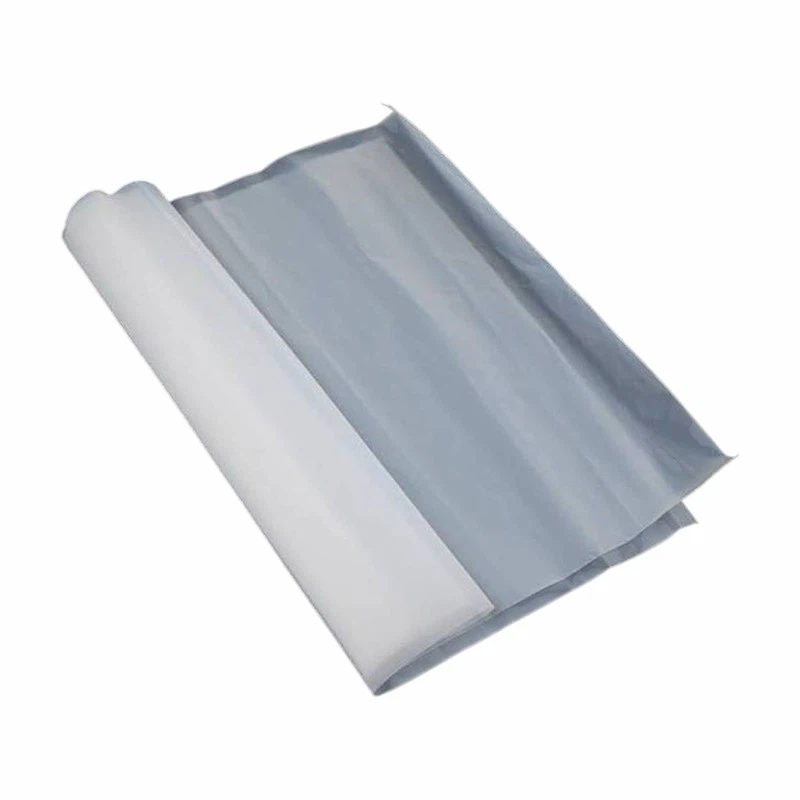
As a PTFE film supplier, we offer a variety of PTFE film products to meet different customer needs. Our PTFE Teflon Film is manufactured using advanced processes to ensure high quality and consistent performance. We also provide PTFE Teflon Tube and PTFE Tube Connector for applications where tubing and connection components are required.
Conclusion and Call to Action
The moisture absorption rate of PTFE film is an important property that contributes to its widespread use in many industries. Its near - zero absorption makes it a reliable choice for applications where resistance to water and other liquids is crucial.

If you are in need of high - quality PTFE film or related products, we invite you to contact us for more information and to discuss your specific requirements. Our team of experts is ready to assist you in finding the best solutions for your applications. Don't hesitate to reach out and start a conversation about how our PTFE products can meet your needs.
References
- Billmeyer, F. W. (1984). Textbook of Polymer Science. John Wiley & Sons.
- ASTM D570 - 98(2018). Standard Test Method for Water Absorption of Plastics.
- Brandrup, J., & Immergut, E. H. (1989). Polymer Handbook. John Wiley & Sons.


