


PTFE Teflon film, renowned for its exceptional properties, has found a wide range of applications in the textile industry. As a leading PTFE Teflon film supplier, I am excited to share with you the diverse textile applications where this remarkable material can be utilized.
Waterproof and Breathable Fabrics
One of the most significant applications of PTFE Teflon film in textiles is the production of waterproof and breathable fabrics. PTFE film has a unique microstructure consisting of countless tiny pores. These pores are small enough to prevent water droplets from passing through, providing excellent waterproofing properties. At the same time, they are large enough to allow water vapor molecules to escape, making the fabric breathable.
Outdoor clothing, such as jackets, pants, and tents, often benefits from this technology. Hikers, mountaineers, and other outdoor enthusiasts can stay dry and comfortable in wet conditions while still being able to perspire freely. The use of PTFE Teflon film in these products enhances their performance and durability, ensuring that they can withstand the rigors of the outdoors.

Protective Clothing
PTFE Teflon film is also widely used in the production of protective clothing. Its chemical resistance, non - stick properties, and low friction coefficient make it an ideal material for protecting workers from various hazards.
In the chemical industry, workers are exposed to a variety of corrosive chemicals. Clothing made with PTFE Teflon film can provide a barrier against these chemicals, preventing skin contact and potential chemical burns. Similarly, in the food processing industry, the non - stick property of PTFE film makes it easy to clean, reducing the risk of food contamination.
Filtration Media
Textile filtration media is another area where PTFE Teflon film shines. The uniform pore size and high porosity of PTFE film make it an excellent choice for filtering applications.
In industrial filtration, PTFE - coated textile filters can effectively remove dust, particles, and other contaminants from gases and liquids. For example, in power plants, these filters can be used to remove fly ash from flue gases, reducing air pollution. In the pharmaceutical industry, PTFE - based filters can ensure the purity of drugs by removing impurities during the manufacturing process.

Heat - Resistant Textiles
PTFE Teflon film has excellent heat resistance, withstanding high temperatures without significant degradation. This property makes it suitable for use in heat - resistant textiles.
In the automotive and aerospace industries, PTFE - coated fabrics are used for gaskets, seals, and insulation. These components need to withstand high temperatures and harsh environments. The heat - resistant nature of PTFE film ensures that these textiles can maintain their integrity and performance under extreme conditions.
Antistatic Textiles
In some industries, such as electronics manufacturing and petrochemicals, static electricity can cause serious problems, including damage to electronic components and the risk of explosion. PTFE Teflon film can be incorporated into textiles to create antistatic properties.
The low surface energy of PTFE film reduces the build - up of static charges on the textile surface. By using PTFE - treated textiles, the risk of electrostatic discharge can be significantly reduced, ensuring the safety and reliability of operations in these industries.
Textile Printing and Dyeing
PTFE Teflon film can also play a role in textile printing and dyeing processes. Its non - stick surface allows for easy release of dyes and inks, reducing waste and improving the quality of printed and dyed textiles.
In screen printing, PTFE - coated screens can prevent the ink from sticking to the screen, resulting in cleaner and more precise prints. In dyeing, PTFE - lined dye vats can prevent the dye from adhering to the vat walls, making the cleaning process more efficient and reducing the risk of cross - contamination between different dye batches.
Technical Textiles for Special Applications
Beyond the above - mentioned applications, PTFE Teflon film is used in various technical textiles for special applications. For example, in the medical field, PTFE - coated textiles can be used for wound dressings. The non - stick property of PTFE film reduces pain during dressing changes, and its breathable nature promotes a healthy wound environment.
In the sports equipment industry, PTFE - treated textiles can be used in the production of ski suits, cycling jerseys, and other sports apparel. The reduced friction of PTFE film can improve the aerodynamics of these garments, enhancing the performance of athletes.
Related PTFE Products
As a PTFE Teflon film supplier, we also offer a range of related PTFE products. Our PTFE Tube Connector is designed for reliable connections in fluid transfer systems. It is made of high - quality PTFE material, ensuring excellent chemical resistance and leak - free performance.
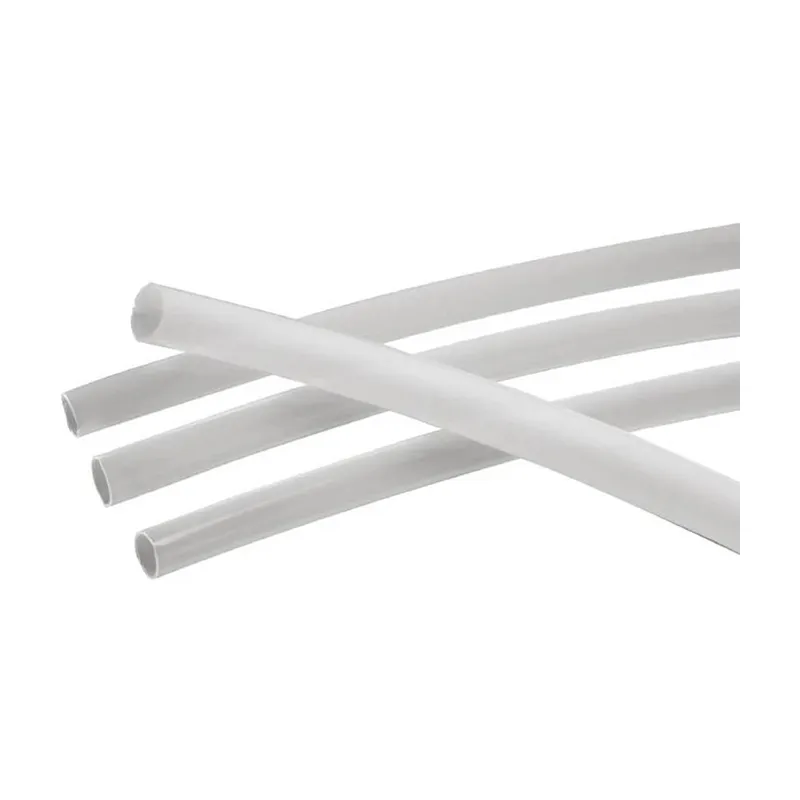
Our PTFE Tube is widely used in various industries for fluid conveyance. It has smooth inner walls, low friction, and high flexibility, making it suitable for a wide range of applications.

For applications where adhesion is required, our PTFE Film Adhesive Tape provides a convenient solution. It can be used for sealing, insulating, and protecting surfaces, with excellent heat resistance and chemical stability.
Conclusion
In conclusion, PTFE Teflon film has a vast array of textile applications, from waterproof and breathable fabrics to protective clothing, filtration media, and many others. Its unique properties, such as chemical resistance, heat resistance, non - stick nature, and breathability, make it an indispensable material in the textile industry.
If you are interested in incorporating PTFE Teflon film into your textile products or have any questions about our PTFE products, including the PTFE Tube Connector, PTFE Tube, and PTFE Film Adhesive Tape, please feel free to contact us for procurement discussions. We are committed to providing high - quality products and excellent customer service to meet your specific needs.
References
- "Handbook of Textile Fibre Structure" by R. H. Barker
- "Advanced Textiles for Protection" by N. R. Bhattacharyya
- "PTFE: Properties, Processing, and Applications" by S. A. Mikhailov


