


When it comes to installing PTFE insulation, having the right tools is crucial for a successful and efficient installation process. As a trusted PTFE Insulation supplier, I understand the importance of using the appropriate equipment to ensure the insulation performs optimally. In this blog post, I'll walk you through the essential tools needed for installing PTFE insulation, providing insights into their functions and why they are necessary.
Measuring Tools
Accurate measurements are the foundation of any successful PTFE insulation installation. Without precise dimensions, the insulation may not fit properly, leading to gaps or overlaps that can compromise its effectiveness. Here are the key measuring tools you'll need:
- Tape Measure: A reliable tape measure is essential for measuring the length, width, and height of the surfaces where the PTFE insulation will be installed. Look for a tape measure with clear markings and a sturdy construction to ensure accurate measurements.
- Calipers: Calipers are used to measure the thickness of the PTFE insulation and other components with high precision. They are particularly useful when working with small or intricate parts. Digital calipers offer the added advantage of easy readability and accurate measurements.
Cutting Tools
Once you have the correct measurements, you'll need to cut the PTFE insulation to fit the installation area. The following cutting tools are commonly used for this purpose:
- Utility Knife: A sharp utility knife is a versatile tool for cutting PTFE insulation. It allows for precise cuts and can be used to trim the insulation to the desired shape and size. Make sure to use a new blade for clean and accurate cuts.
- Scissors: For thinner PTFE insulation materials, scissors can be a convenient option. They are easy to handle and can be used to cut curves and intricate shapes. Choose a pair of sharp scissors with a comfortable grip.
- Band Saw: If you need to cut large or thick pieces of PTFE insulation, a band saw can be a more efficient tool. It provides a straight and precise cut, making it ideal for industrial applications.
Adhesive Application Tools
To ensure the PTFE insulation stays in place, you'll need to use an appropriate adhesive. The following tools are commonly used for applying adhesive:
- Brush: A brush is a simple and effective tool for applying adhesive to the surface of the PTFE insulation or the installation area. Choose a brush with soft bristles to avoid damaging the insulation.
- Roller: A roller can be used to apply adhesive evenly over a large surface area. It helps to ensure a smooth and consistent bond between the insulation and the substrate.
- Caulk Gun: If you're using a tube of adhesive, a caulk gun is the ideal tool for applying it. It allows for precise control and can be used to apply adhesive in a continuous bead.
Fastening Tools
In some cases, you may need to use fasteners to secure the PTFE insulation in place. The following fastening tools are commonly used for this purpose:
- Screwdriver: A screwdriver is used to install screws or bolts to secure the insulation to the substrate. Choose a screwdriver with the appropriate head size and type for the fasteners you're using.
- Drill: If you need to create holes for screws or bolts, a drill is the necessary tool. Make sure to use the correct drill bit size for the fasteners and the material you're drilling into.
- Staple Gun: A staple gun can be used to attach the PTFE insulation to a surface using staples. It is a quick and easy way to secure the insulation, especially for lightweight applications.
Safety Tools
Working with PTFE insulation requires taking appropriate safety precautions to protect yourself from potential hazards. The following safety tools are essential for any installation project:
- Gloves: Wear gloves to protect your hands from cuts, abrasions, and chemical exposure. Choose gloves that are made of a material that is resistant to the chemicals used in the installation process.
- Safety Glasses: Safety glasses are necessary to protect your eyes from flying debris, dust, and chemicals. Make sure to choose glasses that provide adequate protection and fit properly.
- Respirator: If you're working in an area with poor ventilation or where there is a risk of inhaling dust or fumes, a respirator is essential. Choose a respirator that is appropriate for the type of contaminants you're exposed to.
Additional Tools
Depending on the specific installation requirements, you may need additional tools to complete the project. Here are some examples:
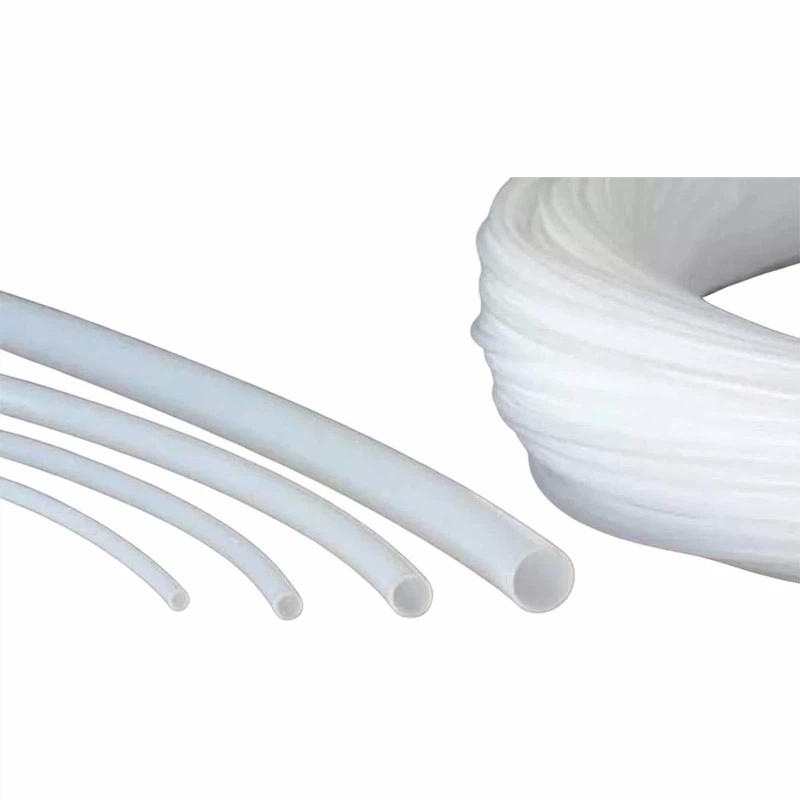

- Heat Gun: A heat gun can be used to soften the PTFE insulation, making it easier to bend and shape. It is particularly useful when working with PTFE sleeves or other components that need to be formed to fit a specific shape.
- Vacuum Cleaner: A vacuum cleaner can be used to remove dust and debris from the installation area before and after the insulation is installed. This helps to ensure a clean and smooth surface for the insulation to adhere to.
- Level: A level is used to ensure that the PTFE insulation is installed straight and level. It is particularly important when installing insulation on walls or ceilings.
As a PTFE Insulation supplier, I offer a wide range of high-quality PTFE products, including PTFE Insulation, PTFE Ball Valve Seat, and PTFE Sleeves. Our products are designed to meet the highest standards of quality and performance, and we can provide you with the technical support and guidance you need to ensure a successful installation.
If you're interested in purchasing PTFE insulation or have any questions about the installation process, please don't hesitate to contact us. We're here to help you find the right solutions for your specific needs and ensure that your project is a success.
References
- "PTFE Insulation Installation Guide," Industry Standard Publication
- "Handbook of PTFE Materials and Applications," Technical Reference Book


