


Hey there! I'm a supplier of PTFE sleeves, and today I wanna chat about whether PTFE sleeves are resistant to aromatic hydrocarbons. It's a question that comes up a lot in my line of work, and it's super important for folks who are looking to use these sleeves in different industrial applications.
First off, let's talk a bit about PTFE sleeves. PTFE, or polytetrafluoroethylene, is a synthetic fluoropolymer that's known for its amazing chemical resistance, low friction coefficient, and high melting point. PTFE Sleeves are widely used in various industries, including automotive, chemical processing, and food and beverage, because of these great properties.
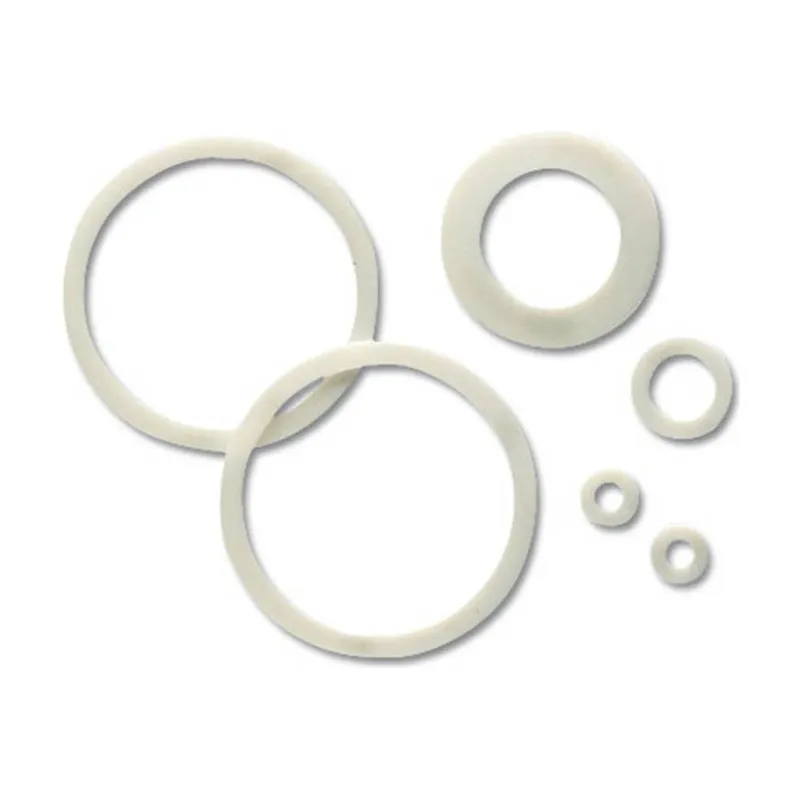

Now, onto aromatic hydrocarbons. These are organic compounds that contain one or more benzene rings. They're commonly found in things like gasoline, diesel fuel, and various solvents. Aromatic hydrocarbons can be pretty harsh on a lot of materials, causing swelling, degradation, or even complete failure. So, the big question is, can PTFE sleeves stand up to them?
The short answer is yes, PTFE sleeves are generally resistant to aromatic hydrocarbons. PTFE has a unique molecular structure that gives it excellent chemical resistance. The carbon-fluorine bonds in PTFE are extremely strong, which makes it difficult for other chemicals, including aromatic hydrocarbons, to break them down. This means that PTFE sleeves can maintain their integrity and performance even when exposed to these harsh substances.
In fact, PTFE is often used in applications where it comes into contact with aromatic hydrocarbons. For example, in the automotive industry, PTFE sleeves are used in fuel systems to protect against the corrosive effects of gasoline and diesel. They can also be found in chemical processing plants, where they're used to line pipes and valves that carry aromatic hydrocarbon-based solvents.
But it's not all sunshine and rainbows. While PTFE sleeves are resistant to aromatic hydrocarbons, there are some factors that can affect their performance. For example, the temperature and pressure of the environment can play a role. At high temperatures and pressures, the resistance of PTFE to aromatic hydrocarbons may decrease. Additionally, the concentration of the aromatic hydrocarbons can also have an impact. Higher concentrations may cause more stress on the PTFE sleeves over time.
Another thing to consider is the duration of exposure. Even though PTFE is resistant, long-term exposure to aromatic hydrocarbons can still have some effects. Over time, the PTFE may absorb small amounts of the hydrocarbons, which can lead to changes in its physical properties. This might not cause immediate failure, but it could affect the performance of the sleeves in the long run.
So, how do you know if PTFE sleeves are the right choice for your application? Well, it's important to do your research and consult with a professional. At my company, we have a team of experts who can help you determine the best PTFE sleeves for your specific needs. We can take into account factors like temperature, pressure, and the type of aromatic hydrocarbons you'll be dealing with to make sure you get the right product.
In addition to PTFE sleeves, we also offer other PTFE products, such as PTFE Bellows and PTFE Seals. These products also have excellent chemical resistance and can be used in a variety of applications where aromatic hydrocarbons are present.
If you're in the market for PTFE sleeves or other PTFE products, I encourage you to reach out to us. We're here to help you find the best solutions for your needs. Whether you're a small business or a large industrial operation, we have the expertise and products to meet your requirements.
In conclusion, PTFE sleeves are generally resistant to aromatic hydrocarbons, thanks to their unique chemical properties. However, it's important to consider factors like temperature, pressure, concentration, and duration of exposure to ensure optimal performance. If you have any questions or need more information, don't hesitate to contact us. We're always happy to help!
References
- "Handbook of Fluoropolymer Science and Technology"
- "Chemical Resistance of Polymers"


