


Alright, folks! As a supplier of EPTFE Staple Fiber, I'm super stoked to walk you through how this amazing product is made. EPTFE, or Expanded Polytetrafluoroethylene, staple fiber has a bunch of cool applications, from high - tech filters to fancy textiles. So, let's dive right into the production process!
1. Raw Material Preparation
To start making EPTFE staple fiber, we first need to get our hands on the raw material: PTFE resin. This resin is like the building block of our EPTFE stuff. It's a white, powdery substance. We source high - quality PTFE resin from reliable suppliers. The quality of this resin is crucial because it directly affects the final properties of the EPTFE staple fiber.
Once we have the PTFE resin, we mix it with a lubricant. This lubricant helps in the extrusion process later on. We carefully measure the amount of lubricant to ensure the right consistency. It's like adding the right amount of oil to a cake batter; too much or too little can mess things up.
2. Pre - forming
After the resin and lubricant are mixed, we move on to the pre - forming stage. We use a pre - forming machine to compress the mixture into a billet. A billet is basically a solid, cylindrical block. The pre - forming process is important because it gives the mixture a more uniform shape and density. This makes it easier to handle in the next steps. We apply a specific amount of pressure during pre - forming to make sure the billet is compact enough.
3. Extrusion
Now, it's time for the extrusion process. We take the pre - formed billet and put it into an extruder. The extruder is like a big, powerful machine that squeezes the billet through a die. The die has a specific shape and size, which determines the cross - section of the EPTFE filament. As the billet is forced through the die, it comes out as a long, continuous EPTFE filament. You can check out more about EPTFE Filament on our website.
The extrusion process needs to be carefully controlled. We have to maintain the right temperature and pressure inside the extruder. If the temperature is too high, the PTFE might break down. If it's too low, the extrusion might not be smooth. The speed of extrusion also matters, as it affects the diameter and quality of the filament.
4. Expansion
Once we have the EPTFE filament, we move on to the expansion step. This is where the "expanded" in EPTFE comes from. We heat the filament to a specific temperature and then stretch it rapidly. This stretching causes the PTFE molecules to align in a certain way, creating a porous, expanded structure.
The expansion process gives the EPTFE its unique properties. It makes the material more flexible, breathable, and resistant to chemicals and heat. The degree of expansion can be adjusted depending on the desired properties of the final staple fiber. We use advanced equipment to precisely control the expansion process.
5. Cutting
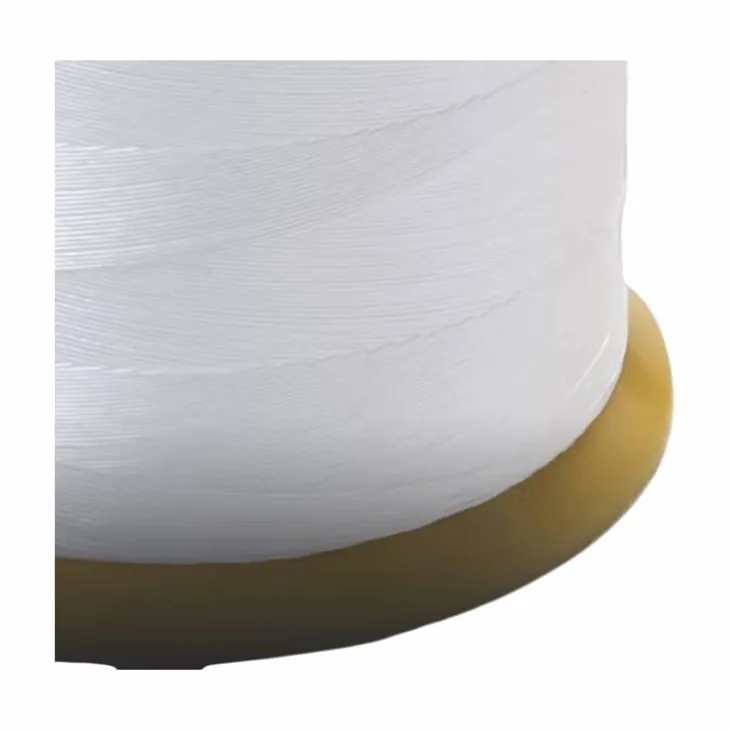
After the expansion, we have a long, continuous EPTFE filament. But we need staple fibers, which are short, individual fibers. So, we use a cutting machine to cut the filament into short lengths. The length of the staple fibers can be customized according to the customer's requirements.
The cutting process needs to be accurate. We want all the staple fibers to be of the same length and have clean cuts. Any unevenness in the cutting can affect the quality of the final product.

6. Surface Treatment (Optional)
Sometimes, we perform a surface treatment on the EPTFE staple fibers. This can improve the fiber's adhesion to other materials or enhance its moisture - wicking properties. There are different methods of surface treatment, such as plasma treatment or chemical coating.
Plasma treatment involves exposing the fibers to a plasma environment. This modifies the surface of the fibers at a molecular level. Chemical coating, on the other hand, involves applying a thin layer of a special chemical to the fiber surface. The choice of surface treatment depends on the specific application of the EPTFE staple fiber.
7. Quality Control
Throughout the production process, we have strict quality control measures in place. We regularly test samples of the EPTFE staple fibers to make sure they meet our high standards. We check for things like fiber diameter, length, strength, and chemical resistance.
We use advanced testing equipment, such as microscopes to examine the fiber structure, and tensile testing machines to measure the fiber's strength. If any batch of fibers fails to meet the quality standards, we take corrective actions right away. This might involve adjusting the production parameters or re - processing the fibers.
8. Packaging
Once the EPTFE staple fibers pass all the quality tests, we pack them. We use high - quality packaging materials to protect the fibers during storage and transportation. The fibers are usually packed in bags or cartons, and we label them clearly with information like fiber length, diameter, and other relevant details.
The packaging is designed to keep the fibers clean and dry. Moisture can damage the EPTFE fibers, so we make sure the packaging is moisture - resistant.
Applications of EPTFE Staple Fiber
EPTFE staple fiber has a wide range of applications. It's commonly used in the filtration industry to make high - efficiency filters. These filters can remove small particles from air or liquids, and they are resistant to corrosion and high temperatures.
In the textile industry, EPTFE staple fiber can be blended with other fibers to make fabrics with special properties. For example, it can make the fabric more water - repellent, breathable, and durable. You can also find EPTFE Sewing Thread made from these staple fibers, which is great for applications where high strength and chemical resistance are required.
Why Choose Our EPTFE Staple Fiber
As a supplier, we take pride in offering high - quality EPTFE staple fiber. We have a team of experienced professionals who oversee every step of the production process. Our strict quality control ensures that you get a product that meets your expectations.
We can also customize the EPTFE staple fiber according to your specific needs. Whether you need a certain fiber length, diameter, or surface treatment, we can make it happen.
Contact Us for Procurement
If you're interested in our EPTFE Staple Fiber and want to know more about it or discuss procurement, we'd love to hear from you! Drop us a message, and we'll be more than happy to assist you in finding the perfect EPTFE staple fiber solution for your business.
References
- Textbook on Polymer Processing Technology
- Technical papers on EPTFE Manufacturing Processes


