


Hey there! As a supplier of PTFE Sleeves, I often get asked if these nifty little things can be used in the rubber industry. Well, let's dive right into it and find out.
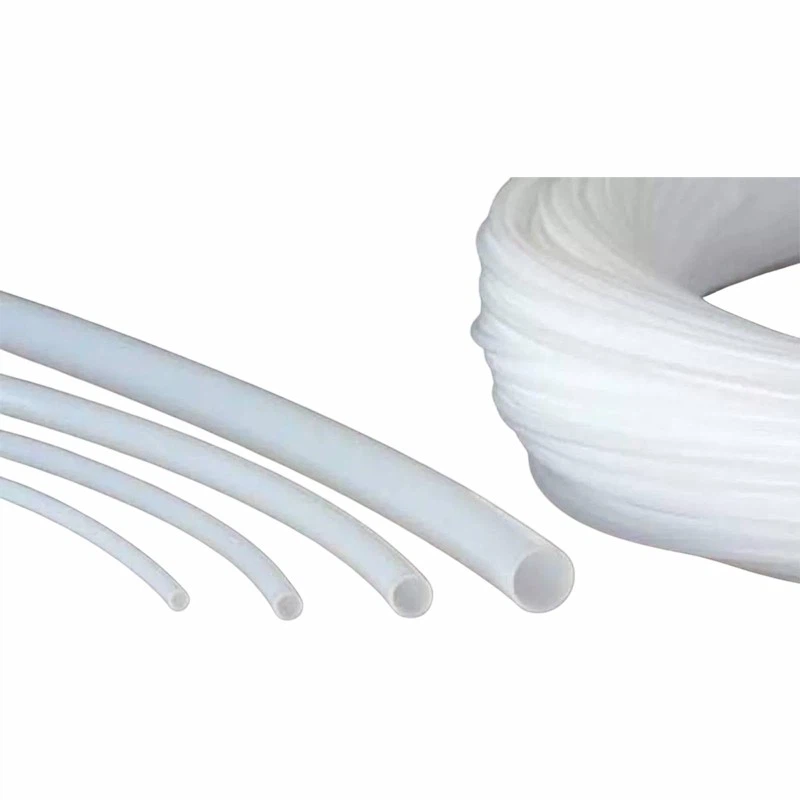
First off, what are PTFE Sleeves? PTFE, or polytetrafluoroethylene, is a synthetic fluoropolymer known for its outstanding properties. PTFE Sleeves are essentially tubes made from this amazing material. They're super slippery, resistant to high temperatures, and have excellent chemical resistance. These features make them a popular choice in various industries, but what about the rubber industry?
One of the main challenges in the rubber industry is dealing with friction and wear. Rubber components often rub against each other or other surfaces, which can lead to premature wear and tear. This is where PTFE Sleeves come in handy. Their low coefficient of friction means they can reduce the amount of friction between rubber parts and other materials. For example, in rubber seals, adding a PTFE Sleeve can prevent the seal from sticking to the surface it's in contact with. This not only extends the lifespan of the seal but also improves its performance.
Another issue in the rubber industry is chemical compatibility. Rubber can be sensitive to certain chemicals, which can cause it to degrade over time. PTFE, on the other hand, is highly resistant to a wide range of chemicals. By using PTFE Sleeves in rubber applications where chemical exposure is a concern, you can protect the rubber from damage. For instance, in rubber hoses used in chemical processing plants, a PTFE Sleeve can act as a barrier between the rubber and the corrosive chemicals flowing through the hose.
Temperature is also a crucial factor in the rubber industry. Rubber can lose its elasticity and strength at high temperatures, while PTFE can withstand much higher temperatures without significant degradation. In applications where rubber components are exposed to high heat, such as in automotive engines or industrial machinery, PTFE Sleeves can provide an extra layer of protection. They can help maintain the integrity of the rubber under extreme temperature conditions.
Now, let's talk about some specific applications of PTFE Sleeves in the rubber industry. One common use is in rubber gaskets. Gaskets are used to create a seal between two surfaces, and they need to be able to withstand pressure and prevent leakage. By adding a PTFE Sleeve to a rubber gasket, you can improve its sealing performance. The PTFE Sleeve provides a smooth surface that helps the gasket conform better to the mating surfaces, reducing the risk of leaks.
In rubber O-rings, PTFE Sleeves can also be beneficial. O-rings are used in a variety of applications, from plumbing to aerospace. They need to be able to maintain a tight seal under different conditions. A PTFE Sleeve can enhance the O-ring's resistance to wear and tear, as well as its chemical and temperature resistance. This makes the O-ring more reliable and longer-lasting.
But it's not all sunshine and rainbows. There are some considerations when using PTFE Sleeves in the rubber industry. One is the cost. PTFE is generally more expensive than rubber, so using PTFE Sleeves can increase the overall cost of a product. However, when you consider the benefits in terms of improved performance and longer lifespan, the extra cost may be worth it in the long run.
Another consideration is the installation process. PTFE Sleeves need to be installed correctly to ensure they work effectively. If they're not installed properly, they may not provide the desired benefits and could even cause problems. It's important to follow the manufacturer's instructions when installing PTFE Sleeves.
In addition to PTFE Sleeves, we also offer other PTFE products that can be useful in the rubber industry. For example, PTFE Custom Rings can be used in conjunction with rubber components to provide additional sealing and protection. These rings can be customized to fit specific applications, making them a versatile option.
We also have PTFE Ball Valve Seat which can be used in rubber valve systems. The PTFE Ball Valve Seat offers excellent chemical resistance and low friction, which can improve the performance of the valve and extend its lifespan.
So, can PTFE Sleeves be used in the rubber industry? The answer is a resounding yes! They offer a range of benefits, from reducing friction and wear to improving chemical and temperature resistance. While there are some considerations, the advantages often outweigh the drawbacks.
If you're in the rubber industry and are interested in learning more about how our PTFE Sleeves and other PTFE products can benefit your applications, don't hesitate to reach out. We're here to help you find the right solutions for your specific needs. Whether you're looking to improve the performance of your rubber seals, gaskets, or other components, we've got you covered.
Let's work together to take your rubber products to the next level!

References:
- "Handbook of PTFE and Other Fluoroplastics" by Brian Walker
- "Rubber Technology" by Maurice Morton


