


Hey there! As a PTFE tube supplier, I often get asked whether PTFE tubes can be used in the medical industry. Well, let's dive right into it and explore this topic in detail.
First off, what exactly is PTFE? PTFE stands for Polytetrafluoroethylene, which is a synthetic fluoropolymer of tetrafluoroethylene. It's commonly known by the brand name Teflon. PTFE has some pretty amazing properties that make it a great candidate for various applications, including the medical field.
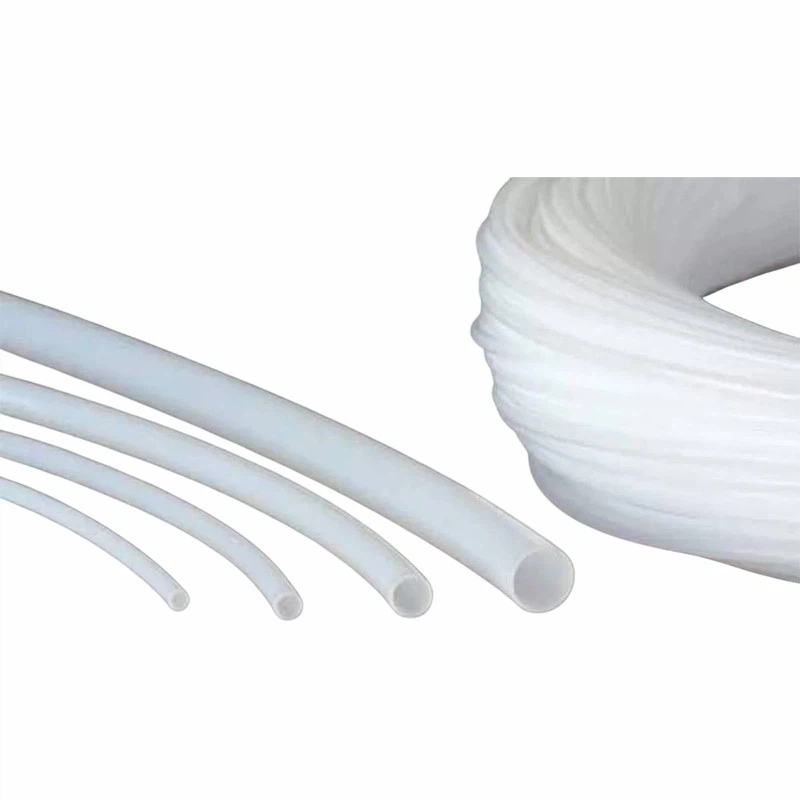
One of the key features of PTFE is its excellent chemical resistance. It can withstand a wide range of chemicals, acids, and bases without reacting or degrading. In the medical industry, this is super important because medical devices often come into contact with different substances, such as disinfectants, drugs, and bodily fluids. For example, PTFE tubes can be used in drug delivery systems. They can safely transport various medications without the risk of the tube material interacting with the drugs and altering their properties. You can check out our PTFE Teflon Tube for more details on the high - quality tubes we offer.
Another great property of PTFE is its low friction coefficient. This means that it has a very smooth surface, which reduces the resistance when fluids or objects move through the tube. In medical applications like catheters, this is crucial. Catheters are thin tubes that are inserted into the body to perform various functions, such as draining urine or delivering fluids. A PTFE catheter tube can be inserted more easily and cause less discomfort to the patient because of its low - friction surface.
PTFE is also biocompatible. This means that the human body generally doesn't have an adverse reaction to it. When a medical device is implanted or used inside the body, biocompatibility is a must - have. PTFE tubes can be used in implantable medical devices, like vascular grafts. These grafts are used to replace or bypass damaged blood vessels. Since PTFE is biocompatible, the body is less likely to reject the graft, increasing the chances of a successful medical procedure.
In addition to these, PTFE has good heat resistance. It can maintain its properties over a wide temperature range. In the medical industry, some sterilization processes involve high temperatures. PTFE tubes can withstand these high - temperature sterilization methods, such as autoclaving, without losing their integrity. This ensures that the tubes can be properly sterilized and used safely in medical settings.
Now, let's talk about some specific applications of PTFE tubes in the medical industry.
In surgical instruments, PTFE tubes are used for fluid transfer. For example, during laparoscopic surgeries, PTFE tubes can be used to deliver irrigation fluids to the surgical site and remove waste fluids. The smooth inner surface of the PTFE tube allows for a continuous and efficient flow of fluids, which is essential for a successful surgery.
PTFE tubes are also used in respiratory care. They can be part of oxygen delivery systems or ventilator circuits. The chemical resistance of PTFE ensures that the tube won't react with the oxygen or any other gases used in the system, and the low - friction surface allows for easy flow of the gases.
In dental applications, PTFE tubes can be used for various purposes. They can be used to deliver dental materials, such as adhesives or composites, with precision. The smooth surface of the tube helps in accurate dispensing of these materials.
However, like any material, PTFE also has some limitations when it comes to medical use. One of the main drawbacks is its relatively high cost compared to some other materials. This can be a factor when considering large - scale production of medical devices. Also, PTFE is a relatively soft material, which means it may not be suitable for applications where high mechanical strength is required.
But overall, the advantages of using PTFE tubes in the medical industry far outweigh the disadvantages. At our company, we offer a wide range of PTFE Tube products that are specifically designed to meet the high - standards of the medical industry. Our tubes are manufactured under strict quality control processes to ensure their safety and performance.
We also offer PTFE Film Adhesive Tape, which can be used in combination with PTFE tubes in some medical applications. For example, the tape can be used to secure the tubes or to provide additional insulation.
If you're in the medical industry and are looking for high - quality PTFE tubes or related products, we'd love to hear from you. Whether you need a small quantity for research purposes or a large - scale order for production, we can work with you to meet your specific requirements. Just reach out to us, and we can start a discussion about your project. We're always happy to help you find the best PTFE solutions for your medical applications.

In conclusion, PTFE tubes have a lot of potential in the medical industry. Their unique properties make them suitable for a wide range of medical applications, from drug delivery to surgical instruments. With proper design and usage, PTFE tubes can contribute to the development of more effective and patient - friendly medical devices.
References:
- "Handbook of Polytetrafluoroethylene (PTFE)" - A comprehensive guide on the properties and applications of PTFE.
- "Medical Device Materials Science" - A book that covers the use of different materials in medical devices, including PTFE.


