


As a supplier of PTFE Sleeves, I often receive inquiries from customers about the moisture absorption rate of these products. Understanding the moisture absorption rate of PTFE sleeves is crucial for various applications, as it can significantly impact the performance and longevity of the components. In this blog post, I will delve into the topic of the moisture absorption rate of PTFE sleeves, exploring its significance, factors affecting it, and how it relates to the overall quality of our products.
What is PTFE?
Before we discuss the moisture absorption rate of PTFE sleeves, let's first understand what PTFE is. PTFE, or polytetrafluoroethylene, is a synthetic fluoropolymer of tetrafluoroethylene. It is known for its exceptional chemical resistance, low friction coefficient, high temperature resistance, and excellent electrical insulation properties. These characteristics make PTFE a popular choice for a wide range of applications, including industrial, automotive, aerospace, and medical industries.
Significance of Moisture Absorption Rate
The moisture absorption rate of a material refers to the amount of water it can absorb when exposed to a humid environment. For PTFE sleeves, a low moisture absorption rate is highly desirable. Moisture absorption can lead to several issues, such as dimensional changes, reduced mechanical properties, and increased electrical conductivity. In applications where precision and stability are critical, even a small amount of moisture absorption can have a significant impact on the performance of the PTFE sleeves.
For example, in the aerospace industry, PTFE sleeves are used in various components where dimensional stability is crucial. If the sleeves absorb moisture, they may expand or contract, leading to misalignments and potential failures. Similarly, in electrical applications, moisture absorption can increase the electrical conductivity of the PTFE sleeves, which can compromise the insulation properties and pose a safety risk.
Factors Affecting the Moisture Absorption Rate of PTFE Sleeves
Several factors can affect the moisture absorption rate of PTFE sleeves. These include:
1. Purity of PTFE
The purity of the PTFE material used in the sleeves plays a significant role in determining its moisture absorption rate. High-purity PTFE has a lower moisture absorption rate compared to PTFE with impurities. At our company, we use only the highest quality PTFE materials to ensure that our sleeves have a minimal moisture absorption rate.
2. Manufacturing Process
The manufacturing process can also impact the moisture absorption rate of PTFE sleeves. Proper processing techniques, such as sintering at the right temperature and pressure, can help to reduce the porosity of the PTFE material, thereby reducing its moisture absorption rate. Our state-of-the-art manufacturing facilities and strict quality control measures ensure that our PTFE sleeves are produced with the highest level of precision and quality.
3. Environmental Conditions
The environmental conditions to which the PTFE sleeves are exposed can also affect their moisture absorption rate. Higher humidity levels and longer exposure times can lead to increased moisture absorption. It is important to store and use PTFE sleeves in a dry environment to minimize the risk of moisture absorption.
Measuring the Moisture Absorption Rate of PTFE Sleeves
The moisture absorption rate of PTFE sleeves is typically measured using standardized testing methods. One common method is the ASTM D570 test, which involves immersing the PTFE samples in water for a specified period of time and then measuring the weight gain. The weight gain is then expressed as a percentage of the original weight of the sample.
At our company, we conduct rigorous testing on all our PTFE sleeves to ensure that they meet the industry standards for moisture absorption rate. Our testing facilities are equipped with the latest equipment and technologies to provide accurate and reliable results.
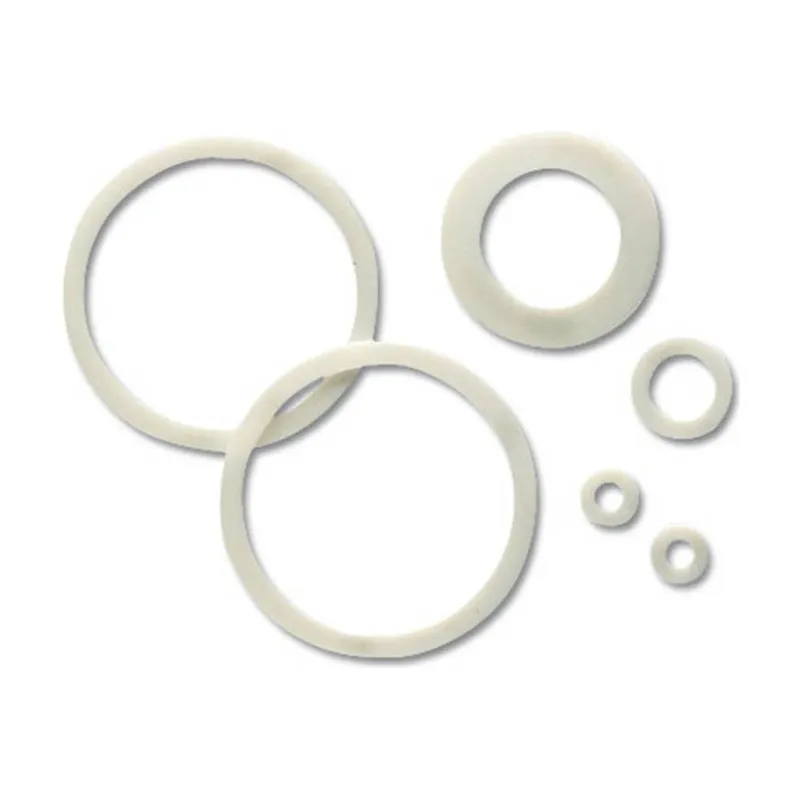

Our PTFE Sleeves and Moisture Absorption
As a leading supplier of PTFE Sleeves, we take pride in offering high-quality products with a low moisture absorption rate. Our PTFE sleeves are manufactured using the latest technologies and the highest quality materials to ensure that they meet the most demanding applications.
In addition to PTFE sleeves, we also offer a wide range of other PTFE machined components, such as PTFE Ball Valve Seat and PTFE Seals. All our products are designed to have a low moisture absorption rate to ensure optimal performance and reliability.
Why Choose Our PTFE Sleeves?
There are several reasons why you should choose our PTFE sleeves:
1. Low Moisture Absorption Rate
Our PTFE sleeves have a very low moisture absorption rate, which ensures dimensional stability and reliable performance in various environments.
2. High Quality
We use only the highest quality PTFE materials and state-of-the-art manufacturing processes to ensure that our sleeves meet the highest standards of quality.
3. Customization
We offer customized PTFE sleeves to meet the specific requirements of our customers. Our experienced engineering team can work with you to design and manufacture sleeves that are tailored to your application.
4. Excellent Customer Service
We are committed to providing excellent customer service. Our team of experts is always available to answer your questions and provide technical support.
Contact Us for PTFE Sleeve Procurement
If you are looking for high-quality PTFE sleeves with a low moisture absorption rate, look no further. We invite you to contact us to discuss your procurement needs. Whether you need a small quantity for a prototype or a large volume for a production run, we can provide you with the right solution. Our team of experts will work closely with you to understand your requirements and provide you with a competitive quote.
References
- ASTM D570 - Standard Test Method for Water Absorption of Plastics.
- "PTFE: Properties and Applications" - A technical guide on PTFE materials and their uses.


