


Hey there! As a supplier of PTFE conveyor belts, I've seen firsthand how static electricity can be a real pain in the neck for businesses using these belts. Static can cause all sorts of problems, from attracting dust and debris to interfering with sensitive electronic equipment. In this blog post, I'm going to share some tips on how to improve the anti-static property of a PTFE conveyor belt.
Understanding Static Electricity in PTFE Conveyor Belts
First things first, let's talk about why static electricity builds up on PTFE conveyor belts in the first place. PTFE, or polytetrafluoroethylene, is a non-conductive material. When it rubs against other surfaces, like rollers or the products being conveyed, electrons can be transferred, creating a static charge. This charge can accumulate over time, leading to the issues I mentioned earlier.
Grounding the Conveyor Belt System
One of the simplest and most effective ways to reduce static is to ground the conveyor belt system. Grounding provides a path for the static charge to flow safely to the ground, preventing it from building up on the belt. You can ground the conveyor frame, rollers, and other metal components using a grounding wire connected to a proper grounding rod. Make sure to check the grounding regularly to ensure it's working properly.
Using Anti-Static Additives
Another option is to use anti-static additives in the PTFE material during the manufacturing process. These additives can help to dissipate the static charge as it builds up, reducing the overall static on the belt. There are different types of anti-static additives available, and the choice depends on the specific requirements of your application. Some additives work by increasing the surface conductivity of the PTFE, while others release ions that neutralize the static charge.
Installing Ionizing Bars
Ionizing bars are a great tool for reducing static in the immediate vicinity of the conveyor belt. These bars emit positive and negative ions, which neutralize the static charge on the belt and the surrounding air. You can install ionizing bars above or beside the conveyor belt, depending on the layout of your system. Make sure to position them correctly to ensure maximum effectiveness.
Maintaining Proper Humidity Levels
Humidity plays an important role in static electricity. In dry environments, static charges are more likely to build up because the air is less conductive. By maintaining proper humidity levels in the area where the conveyor belt is located, you can reduce the static. You can use a humidifier to increase the humidity if it's too low. Aim for a relative humidity of around 40-60% for optimal results.
Using Anti-Static PTFE Products
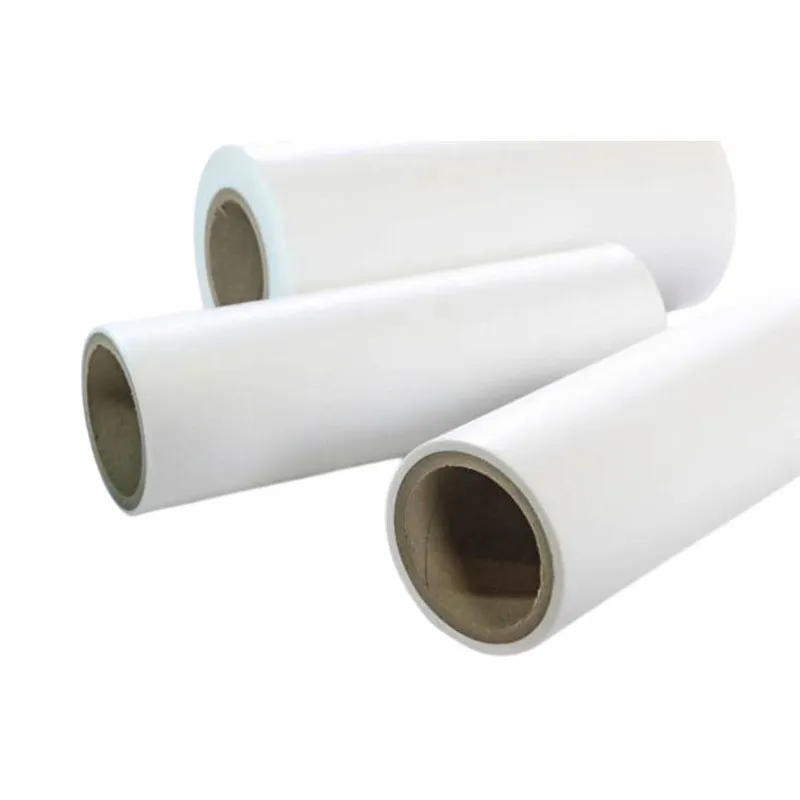
We offer a range of PTFE products that are designed with anti-static properties. For example, our PTFE Skived Film can be used as a covering or liner for the conveyor belt, providing an extra layer of protection against static. Our PTFE Moisturizing Sleeve Series can also help to reduce static by maintaining a certain level of moisture on the belt surface. And our PTFE Tape can be used to repair or reinforce the belt while also providing anti-static benefits.
Regular Cleaning and Maintenance
Keeping the conveyor belt clean is essential for reducing static. Dust, dirt, and debris can accumulate on the belt surface, increasing the likelihood of static build-up. Regularly clean the belt using a mild detergent and a soft cloth. Avoid using abrasive cleaners or brushes that could damage the PTFE surface. Also, make sure to lubricate the rollers and other moving parts regularly to reduce friction, which can also contribute to static.

Choosing the Right Belt Design
The design of the conveyor belt can also affect its anti-static properties. For example, a belt with a smooth surface is less likely to generate static than one with a rough or textured surface. You can also choose a belt with a specific pattern or profile that helps to reduce friction and static. When selecting a belt, consider the type of products you'll be conveying and the operating conditions of your system.
Training Your Staff
Finally, it's important to train your staff on the importance of static control and how to handle the conveyor belt properly. Make sure they understand the potential problems caused by static and the steps they can take to prevent it. Encourage them to report any static-related issues immediately so that they can be addressed promptly.
In conclusion, improving the anti-static property of a PTFE conveyor belt is crucial for ensuring the smooth operation of your business. By following these tips, you can reduce static build-up, prevent damage to your products and equipment, and improve the overall efficiency of your conveyor system. If you have any questions or need more information about our PTFE conveyor belts or anti-static solutions, don't hesitate to contact us. We're here to help you find the best solution for your specific needs. Let's work together to make your conveyor system more static-free and productive!
References
- "Static Electricity in Industrial Processes: Fundamentals and Applications" by John R. Melcher
- "PTFE Materials and Their Applications" by David S. Wilks


