


In the vast landscape of industrial materials, Polytetrafluoroethylene (PTFE) stands out as a remarkable substance, renowned for its unique properties and wide - ranging applications. As a PTFE industrial supplier, I've witnessed firsthand the critical role PTFE plays in various industrial processes. One of the key properties that significantly impacts its industrial use is thermal conductivity.
Understanding Thermal Conductivity
Thermal conductivity is a measure of a material's ability to conduct heat. It is defined as the quantity of heat (in watts) transmitted through a unit thickness (in meters) of a material in a direction normal to a surface of unit area (in square meters), due to a unit temperature gradient (in kelvin) under steady - state conditions. In simpler terms, it tells us how fast heat can pass through a material.
For industrial applications, thermal conductivity is a crucial parameter. In processes where heat needs to be dissipated quickly, materials with high thermal conductivity are preferred. Conversely, in applications where insulation is required, low - thermal - conductivity materials are the go - to choice.
Thermal Conductivity of PTFE
PTFE has a relatively low thermal conductivity. The thermal conductivity of PTFE typically ranges from 0.25 to 0.35 W/(m·K) at room temperature. This low value is attributed to its unique chemical structure. PTFE is a polymer composed of long chains of carbon atoms with fluorine atoms attached. The strong carbon - fluorine bonds and the highly symmetric molecular structure result in limited vibrational modes that can carry heat energy.
This low thermal conductivity makes PTFE an excellent insulating material. In industrial processes, it can be used to prevent heat transfer between different components or areas. For example, in electrical equipment, PTFE can be used as insulation for wires and cables. The low thermal conductivity helps to keep the electrical components at a stable temperature, reducing the risk of overheating and potential damage.
Applications in Industrial Processes
Chemical Industry
In the chemical industry, PTFE is widely used due to its excellent chemical resistance and low thermal conductivity. It can be used to line pipes, valves, and reactors. The low thermal conductivity helps to maintain the temperature of the chemicals inside the equipment. For example, in processes where exothermic reactions occur, PTFE lining can prevent the heat from being transferred to the external environment too quickly, allowing for better control of the reaction temperature.
Food Processing Industry
PTFE is also commonly used in the food processing industry. Its low thermal conductivity can be beneficial in applications such as conveyor belts and baking trays. In conveyor belts, PTFE can prevent heat from being transferred from the processed food to the conveyor system, reducing the risk of over - heating the equipment and ensuring the quality of the food. In baking trays, the low thermal conductivity helps to distribute the heat evenly, resulting in more consistent baking.
Electronics Industry
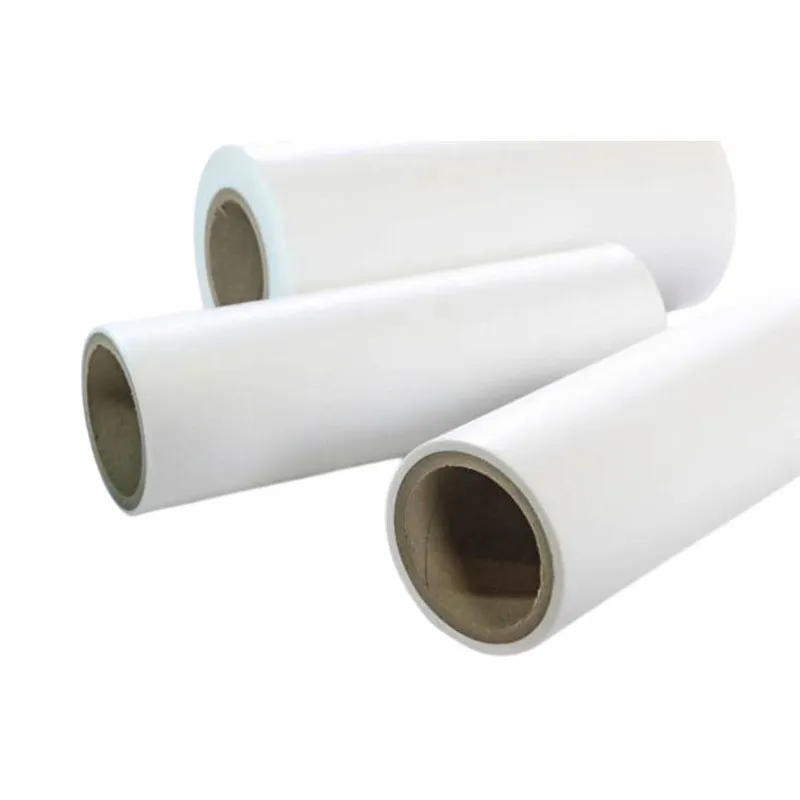
In the electronics industry, the demand for high - performance insulating materials is constantly increasing. PTFE's low thermal conductivity makes it an ideal choice for printed circuit boards (PCBs) and other electronic components. It can prevent heat from spreading to adjacent components, improving the overall performance and reliability of the electronic device. For instance, PTFE Skived Film is often used in electronics due to its excellent electrical insulation properties and low thermal conductivity.
Variations in Thermal Conductivity
The thermal conductivity of PTFE can be affected by several factors. Temperature is one of the most significant factors. As the temperature increases, the thermal conductivity of PTFE generally increases slightly. This is because at higher temperatures, the molecular vibrations become more intense, allowing for increased heat transfer.
The presence of fillers can also modify the thermal conductivity of PTFE. Some fillers, such as carbon fibers or metal powders, can significantly increase the thermal conductivity. These modified PTFE materials are often used in applications where a higher heat - transfer rate is required. For example, in some high - power electronic devices, filled PTFE materials can be used to dissipate heat more effectively.
Our PTFE Products and Thermal Conductivity
As a PTFE industrial supplier, we offer a wide range of PTFE products, each with its own unique thermal conductivity characteristics to meet different industrial needs.
Our PTFE Moisturizing Sleeve Series is designed with a focus on both insulation and durability. The low thermal conductivity of the PTFE material in these sleeves helps to maintain the temperature of the substances inside, making them suitable for applications in industries such as chemical and pharmaceutical manufacturing.
Our PTFE Tape is another popular product. It can be used for sealing and insulation purposes. The low thermal conductivity of the tape allows it to prevent heat transfer in various industrial seals, ensuring the stability of the process.
Importance of Thermal Conductivity in Product Selection
When selecting PTFE products for industrial processes, understanding the thermal conductivity is essential. Different applications require different levels of heat transfer. For example, if you are dealing with a high - temperature process where heat needs to be contained, a PTFE product with extremely low thermal conductivity would be the best choice. On the other hand, if heat dissipation is a priority, you might need to consider PTFE products with fillers that increase thermal conductivity.

Contact Us for Your PTFE Needs
Whether you are in the chemical, food processing, electronics, or any other industry, the right PTFE product with the appropriate thermal conductivity can make a significant difference in your industrial processes. As an experienced PTFE industrial supplier, we have the expertise and the product range to meet your specific requirements.
If you are interested in learning more about our PTFE products and how their thermal conductivity can benefit your business, please contact us. We are happy to provide you with detailed product information, technical support, and samples. Let's work together to find the perfect PTFE solution for your industrial processes.
References
- "Polytetrafluoroethylene (PTFE): Properties and Applications" by Industrial Materials Handbook.
- "Thermal Conductivity of Polymers" in Polymer Science Journal.
- "PTFE in Industrial Processes" by Chemical Industry Review.


