


As a supplier of PTFE Film Tape, I've often been asked about its potential applications in various industries, especially the rubber industry. In this blog post, I'll delve into the properties of PTFE Film Tape and explore whether it can be effectively used in the rubber industry.
Understanding PTFE Film Tape
PTFE, or Polytetrafluoroethylene, is a synthetic fluoropolymer of tetrafluoroethylene. It is well - known for its exceptional chemical resistance, low friction coefficient, high temperature resistance, and non - stick properties. PTFE Film Tape is made by coating or laminating PTFE onto a backing material, which can then be used in a variety of applications.
Key Properties of PTFE Film Tape
- Chemical Resistance: PTFE is highly resistant to a wide range of chemicals, including acids, bases, and solvents. This means that PTFE Film Tape can withstand exposure to the various chemicals used in the rubber manufacturing process without degrading.
- Low Friction Coefficient: The low friction surface of PTFE Film Tape reduces the frictional forces between rubber products and other surfaces. This can be beneficial in applications where smooth movement or reduced wear is required.
- High Temperature Resistance: PTFE can operate at high temperatures, typically up to 260°C (500°F). In the rubber industry, where vulcanization and other high - temperature processes are common, PTFE Film Tape can maintain its integrity.
- Non - stick Properties: The non - stick nature of PTFE prevents rubber from adhering to the tape. This is particularly useful during the manufacturing process, where it can prevent rubber from sticking to molds or other equipment.
Applications of PTFE Film Tape in the Rubber Industry
Mold Release
One of the most significant applications of PTFE Film Tape in the rubber industry is as a mold release agent. During the rubber molding process, rubber is heated and pressed into a mold to take on a specific shape. After the rubber has cured, it needs to be removed from the mold. PTFE Film Tape can be applied to the mold surface, creating a non - stick barrier between the rubber and the mold. This makes it easier to remove the rubber product from the mold without causing damage to the product or the mold. For example, in the production of rubber gaskets or O - rings, PTFE Film Tape can ensure a smooth and efficient demolding process.
Lining for Rubber Processing Equipment
PTFE Film Tape can also be used to line rubber processing equipment such as extruders, calenders, and mixers. The low friction and non - stick properties of the tape reduce the build - up of rubber on the equipment surfaces. This not only improves the efficiency of the equipment but also reduces the need for frequent cleaning and maintenance. Additionally, the chemical resistance of PTFE ensures that the tape can withstand the harsh chemicals and high temperatures involved in rubber processing.
Insulation in Rubber Products
In some cases, PTFE Film Tape can be used as an insulating layer in rubber products. For instance, in electrical rubber components, the high dielectric strength of PTFE can provide additional electrical insulation. The temperature resistance of PTFE also makes it suitable for applications where the rubber product may be exposed to high - temperature environments.
Advantages of Using PTFE Film Tape in the Rubber Industry
Improved Product Quality
By using PTFE Film Tape as a mold release agent, the surface finish of rubber products can be significantly improved. There is less risk of surface defects such as tearing or sticking, resulting in a higher - quality end product. In addition, the use of PTFE - lined equipment can ensure more consistent rubber processing, leading to better - quality rubber products.
Increased Productivity
The non - stick and low - friction properties of PTFE Film Tape reduce the time and effort required for demolding and equipment cleaning. This can lead to increased productivity in the rubber manufacturing process. Faster demolding means shorter cycle times, and less frequent equipment cleaning means less downtime.
Cost Savings
Although PTFE Film Tape may have a higher upfront cost compared to some traditional mold release agents or equipment linings, the long - term cost savings can be significant. Reduced equipment wear and tear, lower maintenance costs, and higher - quality products that require less rework all contribute to overall cost savings in the rubber manufacturing process.
Considerations when Using PTFE Film Tape in the Rubber Industry
Compatibility
It is important to ensure that the PTFE Film Tape is compatible with the specific type of rubber being used. Different types of rubber have different chemical compositions and processing requirements, and some rubbers may react with the tape or the adhesive used in the tape. Conducting compatibility tests before full - scale implementation is recommended.
Installation
Proper installation of PTFE Film Tape is crucial for its effective use. The tape should be applied smoothly and evenly to the mold or equipment surface to ensure a continuous non - stick barrier. Any wrinkles or bubbles in the tape can lead to uneven mold release or reduced performance.
Related PTFE Products
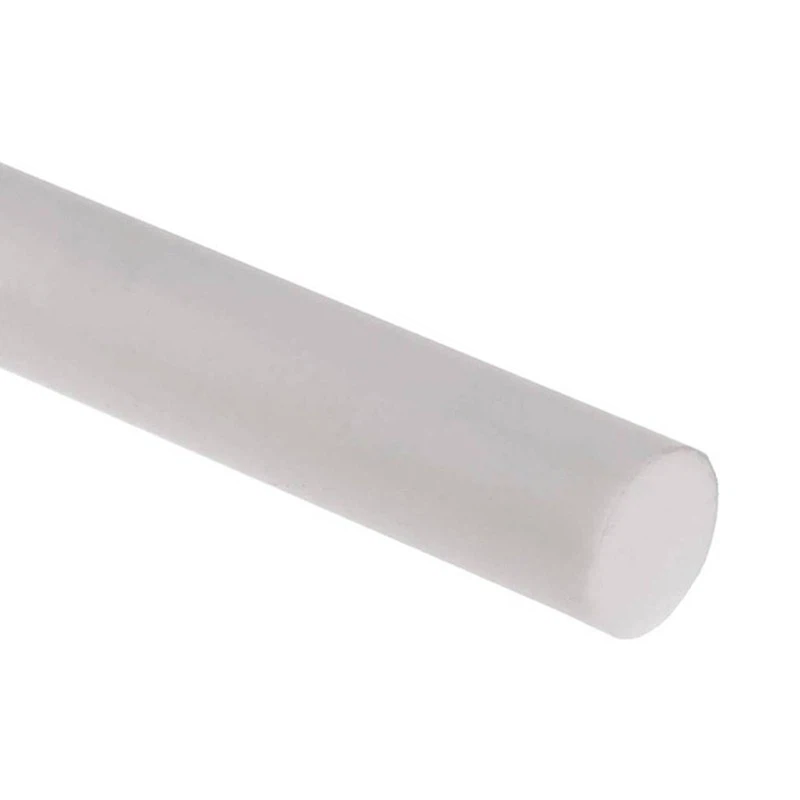
If you are interested in exploring other PTFE products for your rubber industry needs, we also offer PTFE Teflon Film and PTFE Rod. These products may have additional applications or benefits depending on your specific requirements. Our PTFE Film Adhesive Tape is also a popular choice for various rubber - related applications.
Conclusion
In conclusion, PTFE Film Tape can be a valuable asset in the rubber industry. Its unique properties such as chemical resistance, low friction, high temperature resistance, and non - stick nature make it suitable for a variety of applications, including mold release, equipment lining, and insulation. By using PTFE Film Tape, rubber manufacturers can improve product quality, increase productivity, and achieve cost savings.
If you are interested in incorporating PTFE Film Tape into your rubber manufacturing process, I encourage you to reach out for a detailed discussion. We can provide samples, technical support, and guidance to ensure that you make the most of this innovative product.

References
- Smith, J. (2018). "Advanced Polymers in Industrial Applications". Publisher: Industrial Press.
- Johnson, A. (2020). "Rubber Processing Technology". Publisher: Rubber Tech Books.


