


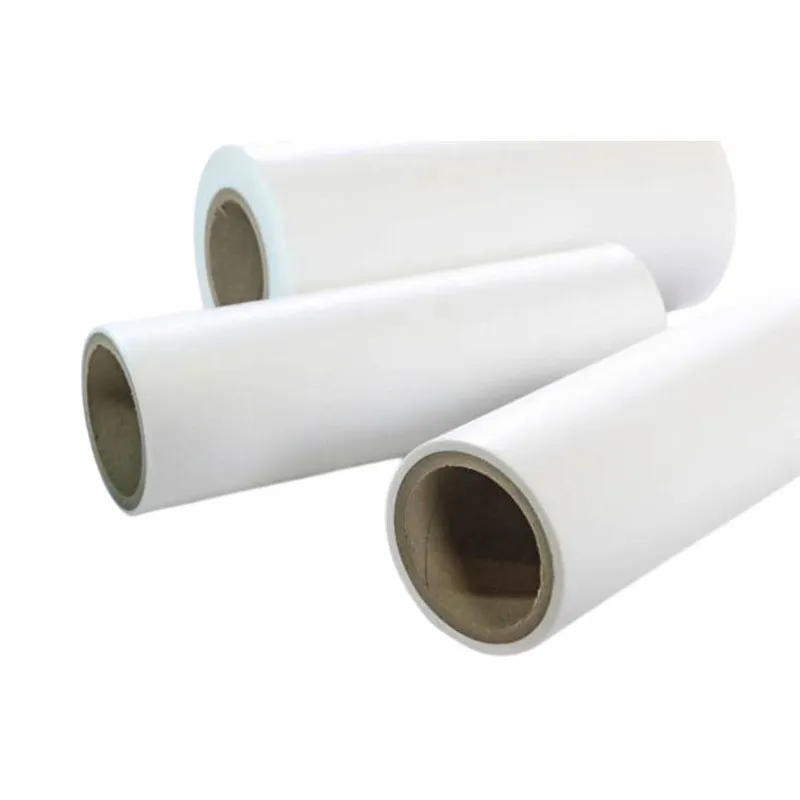
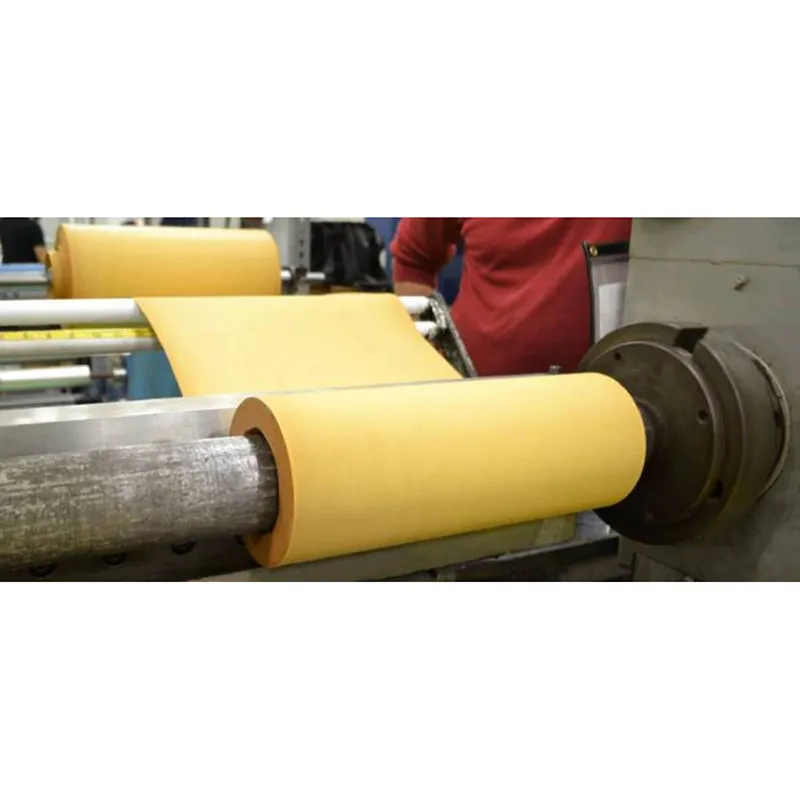
PTFE tape, also known as Teflon tape, is a widely used sealing material in various industries. Its excellent chemical resistance, low friction coefficient, and high-temperature stability make it a popular choice for many applications. However, when it comes to a dusty environment, its performance may face unique challenges. As a PTFE tape supplier, I have in - depth knowledge of how PTFE tape behaves in such conditions.
Physical and Chemical Properties of PTFE Tape
Before delving into its performance in a dusty environment, it's essential to understand the basic properties of PTFE tape. PTFE, or polytetrafluoroethylene, is a synthetic fluoropolymer. It has a highly non - reactive surface due to the strong carbon - fluorine bonds. This non - reactivity gives it excellent resistance to chemicals, solvents, and most acids and bases.
The low friction coefficient of PTFE tape is another remarkable property. It reduces the wear and tear between surfaces in contact, which is beneficial for applications where smooth movement is required. Additionally, PTFE tape can withstand high temperatures, typically up to 260°C (500°F), making it suitable for use in high - heat environments.
Challenges in a Dusty Environment
Dust can pose several challenges to the performance of PTFE tape. Firstly, dust particles can act as abrasives. When they come into contact with the PTFE tape, they can cause micro - scratches on the surface of the tape. Over time, these scratches can accumulate and lead to a reduction in the tape's integrity. For example, in industries such as mining or construction, where large amounts of dust are generated, the constant abrasion from dust can gradually wear down the PTFE tape, affecting its sealing ability.
Secondly, dust can interfere with the adhesion of PTFE tape. PTFE tape often relies on its adhesive backing to adhere to surfaces. Dust particles on the surface where the tape is to be applied can prevent proper contact between the adhesive and the substrate. This can result in weak adhesion, causing the tape to peel off more easily. In a manufacturing plant with a lot of airborne dust, if PTFE tape is used for sealing pipes or joints, poor adhesion due to dust can lead to leaks.
How PTFE Tape Performs
Despite these challenges, PTFE tape still has some advantages in a dusty environment. The non - reactive nature of PTFE means that it is not likely to chemically react with dust particles. Unlike some other materials that may corrode or degrade when exposed to certain types of dust, PTFE tape remains stable.
The low friction coefficient of PTFE also helps in reducing the amount of dust that adheres to its surface. Dust particles are less likely to stick to the smooth surface of PTFE tape compared to rough or sticky materials. This self - cleaning effect can maintain the tape's performance to some extent. For instance, in a ventilation system where PTFE tape is used to seal duct joints, the low dust adhesion property can prevent the accumulation of dust on the tape, ensuring the long - term effectiveness of the seal.
Applications in Dusty Environments
PTFE tape has a wide range of applications in dusty environments. In the automotive industry, it can be used to seal fuel lines and hydraulic systems. Even in car manufacturing plants where there is a significant amount of metal dust from machining operations, PTFE tape can maintain its sealing performance due to its chemical stability and low dust adhesion.
In the food processing industry, where hygiene is crucial, PTFE tape can be used to seal equipment in areas where flour or other food dust is present. Its non - reactive nature ensures that it does not contaminate the food products, and the low dust adhesion property helps in keeping the equipment clean.
Related PTFE Products
As a PTFE tape supplier, we also offer other related PTFE products that can be used in conjunction with PTFE tape in dusty environments. The PTFE Dragon Mesh Belt is a high - performance product with excellent heat resistance and mechanical strength. It can be used in conveyor systems in industries such as ceramics or glass manufacturing, where there is a lot of dust.
The PTFE Skived Film is another useful product. It can be used to line surfaces to protect them from dust abrasion and chemical damage. In chemical plants or laboratories where dust may contain corrosive substances, the PTFE skived film can provide an extra layer of protection.
The PTFE Moisturizing Sleeve Series is suitable for applications where dust may cause dryness and wear. These sleeves can help to maintain a certain level of moisture and reduce friction, which is beneficial for the smooth operation of machinery in dusty environments.
Tips for Using PTFE Tape in Dusty Environments
To ensure the best performance of PTFE tape in a dusty environment, some tips can be followed. Firstly, the surface where the tape is to be applied should be thoroughly cleaned before installation. This can be done using a clean cloth or a suitable solvent to remove any dust or debris.
Secondly, proper storage of PTFE tape is crucial. It should be stored in a clean and dry place to prevent dust from accumulating on the tape before use.
Finally, regular inspection of the PTFE tape is necessary. Check for any signs of wear, peeling, or reduced adhesion. If any issues are found, the tape should be replaced promptly to avoid potential problems.
Conclusion
In summary, PTFE tape has both challenges and advantages when used in a dusty environment. While dust can cause abrasion and affect adhesion, the non - reactive nature and low friction coefficient of PTFE tape allow it to maintain a certain level of performance. With proper installation, handling, and maintenance, PTFE tape can be a reliable sealing solution in various dusty industrial applications.
If you are looking for high - quality PTFE tape or other related PTFE products for your operations in a dusty environment, feel free to contact us for a detailed discussion. We can provide you with the most suitable products and professional advice to meet your specific needs.
References
- "Handbook of Fluoropolymer Science and Technology" by John Scheirs and Tibor Kemula
- "Fluoropolymers: Synthesis, Properties, and Applications" by A. L. Andrianov and V. A. Ponomarenko


